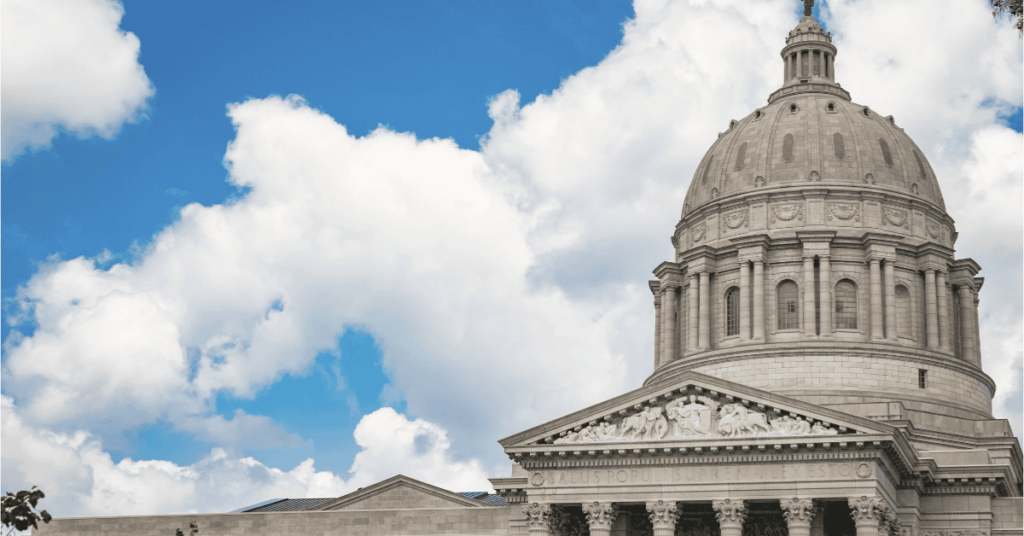
Missouri lawmakers passed legislation that will have residents vote on a proposal at the ballot box. The ask: for them to pay more in sales taxes to offset cuts – and the possible elimination – of the state’s individual income tax, which makes up nearly two-thirds of Missouri’s general fund. The move, which we’ve analyzed and described as an anti-affordability agenda, would raise taxes on the working class and drastically cut taxes for the richest Missourians. Voters in the Show Me State could see the measure appear on the ballot as soon as the August primary or this November’s general election.
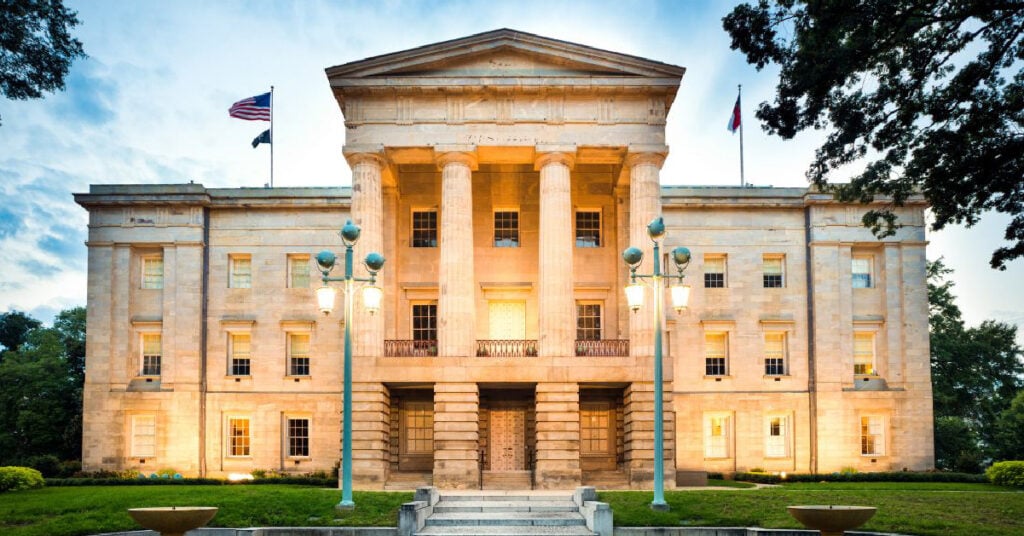
Elsewhere, lawmakers and both Hawai’i and North Carolina are recommending pauses, and even rollbacks, to existing income tax cuts. Lawmakers in Hawai’i are gearing up for a conference committee to reconcile differences between dueling House and Senate income tax proposals. And North Carolina’s Gov. Josh Stein, as part of his broader proposed budget and given the state’s increasingly precarious financial position, is urging lawmakers to pause scheduled income tax cuts.
Major State Tax Proposals and Developments
- The MISSOURI legislature passed a bill to put constitutional permission for sales tax hikes on the ballot. If voters approve the measure, the state would be authorized to expand sales taxes to additional services or goods and cut the individual income tax, with the goal of full elimination. If the legislature eliminates the income tax and replaces the funds from the sales tax, a typical Missouri family could pay about $550 more in taxes every year. – ELI BYERLY-DUKE.
- HAWAI’I lawmakers are scheduled to hold conference committee meetings to work out differences between key bills as the state heads into its final weeks of legislative session. The future of scheduled income tax cuts will be debated as lawmakers work to potentially pause some of the scheduled tax cuts that are estimated to cost the state over $1.8 billion per year by 2031, while also preserving some income tax cuts for working families. The state faces a revenue shortfall, due in-part to federal policies, an anticipated economic slowdown, and scheduled state income tax cuts. – MILES TRINIDAD
- In his newly released budget proposal, NORTH CAROLINA Gov. Josh Stein recommended pausing scheduled tax cuts that disproportionately benefit the state’s wealthiest residents. Gov. Stein warned that without swift action, North Carolina could face a shortfall of $5 billion if the state’s automatic tax cut triggers are met. He also recommended a handful of additional tax cuts, including: a new Working Families Tax Credit that would be a refundable credit set at 10 percent of the federal Earned Income Tax Credit (EITC), an increase to the state’s standard deduction, a childcare tax credit that would set subsidy rates and create a statewide reimbursement floor, and a back-to-school sales tax holiday. – MILES TRINIDAD
State Roundup
- ALABAMA Gov. Kay Ivey signed legislation to create a deduction for up to $1,000 of overtime pay from state income tax and suspended the 2-percent state tax on groceries for two months (which happens to coincide with primary election season).
- An ALASKA Senate committee revised Gov. Mike Dunleavy’s proposed property tax cut for a natural gas mega-project to add an $800 million community impact fee and increase the volume-based tax to replace lost property tax revenue.
- ARKANSAS lawmakers are now two weeks into their legislative session with no major surprises so far. A resolution to increase an existing homestead property tax credit advanced unanimously last week.
- FLORIDA lawmakers will begin a special session on April 28, but the agenda and priorities for the session are still being worked out. Gov. Ron DeSantis has promised to put a major property tax cut before voters on the November ballot, but a redistricting effort and other debates are likely to push any further talk of that plan down the agenda.
- An ILLINOIS bill that would create a 3 percent surtax on income over $1 million to help fund property tax reductions and public schools recently passed the House Revenue & Finance Committee. If passed by the legislature, the bill would move to the ballot for voter consideration.
- MISSISSIPPI lawmakers are facing pressure to address looming federal cuts – estimated at about $1 billion over the next decade – that would threaten health care affordability and access in the state. The federal cuts will reduce state-directed payments that allow states to increase already low reimbursement rates from Medicaid to hospitals.
- Meanwhile, a MISSISSIPPI watchdog report found that the funds private schools receive through the statewide tax credit program are mostly being spent outside of the classroom. The program provides a dollar-for-dollar tax credit for up to 50 percent of the donor’s contribution to private schools towards their state tax bill. But the state Department of Revenue, which administers the program, has reportedly not tracked how the money has been spent.
- MONTANA Republicans asked a state District Court to strike down a new property tax law because, they argue, the process in which the lawmakers who crafted the law went through violated the constitution.
- Before NEBRASKA lawmakers could officially adjourn and celebrate the end of a difficult session, March tax receipts data came in almost 15 percent short and plunged the state back into the red. Because lawmakers balanced the budget this year, this adds an immediate $72 million hole to the shortfall of more than $600 million they were already slated to face. Meanwhile Gov. Jim Pillen kicked off cabinet meetings with a goal to slash the budget so deeply the state can address the shortfall and still cut local property taxes.
- An OHIO coalition of elected officials, libraries, businesses and trade groups, and unions representing first responders and teachers have united to oppose an effort to abolish property taxes in the state. The group warned that the proposal would cut $20 billion in local revenue that funds local services, resulting in 32,000 first responders and 50,000 teachers losing their jobs. They also warned the state sales tax could go up to 20 percent to cover the shortfall, which Gov. Mike DeWine and other state leaders also predicted.
- TEXAS communities will need to spend $174 billion over the next 50 years to avert a severe water crisis, according to a new state analysis. The estimate is more than double the $80 billion projected four years ago. The Texas Legislature is expected to take up the issue next year.
- VIRGINIA lawmakers are at a budget impasse as Democrats are split on an effort to keep a $1 billion tax break for data centers. The General Assembly is scheduled to gavel into a special session on Thursday to begin debate on a solution and pass a budget.
What We’re Reading
- A new piece from ITEP explains if states link to certain components of the new federal tax law, those decisions could worsen inequality while also reducing states’ ability to fund programs that support racial and economic justice.
- Stateline covers a new report from Good Jobs First on how state and local tax subsidies for data centers are rapidly growing yet public disclosure of these costly subsidies lags far behind current standards. At least three states – Georgia, Texas, and Virginia – are already losing $1 billion or more to such tax breaks each year.
- A new piece by the Kentucky Center for Economic Policy considers the legislature’s decision to approve a series of corporate tax subsidies. Expensive and without much transparency, the subsidies are reducing the state’s revenue without careful consideration or clear benefits.
- An op-ed in the Milwaukee Journal Sentinel discusses the connection between taxes and affordability. In the piece, the author considers both who pays the taxes that fund Wisconsin’s programs and how much money is raised to support those investments.
If you like what you are seeing in the Rundown (or even if you don’t) please send any feedback or tips for future posts to Aidan Davis at aidan@itep.org. Click here to sign up to receive the Rundown via email.