
State Policy
State taxes pay for essential public services, from education to health care. But the ideal design of a tax system is complicated. ITEP’s state policy resources offer insights into central issues, including the impact of state tax systems on individuals, families, and businesses. Its work also analyzes the sustainability of revenue sources over time.
Find updates on tax policy across the country from our State Tax Watch.
For weekly updates on state tax news, you can sign up for our State Rundown newsletter.
Featured Research
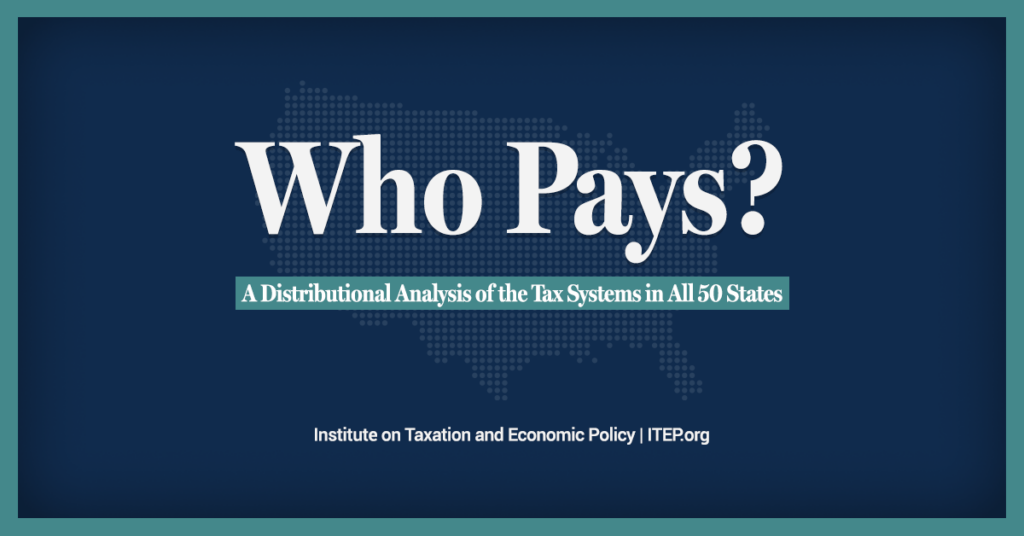
Who Pays? 7th Edition
Who Pays? is the only distributional analysis of tax systems in all 50 states and the District of Columbia. This comprehensive 7th edition of the report assesses the progressivity and regressivity of state tax systems by measuring effective state and local tax rates paid by all income groups.
The Changing Landscape of State Tax Rates
Many states have repeatedly cut top personal and corporate income tax rates in recent years, sometimes while approving increased sales…

The Wealth Proceeds Tax: A Simple Way for States to Tax the Wealthy
Taxing the proceeds generated by wealth through a new Wealth Proceeds Tax is a simple way for states to raise…
2026 State Tax Ballot Measures to Watch
This fall, voters across the country will consider a host of ballot measures that could reshape the fairness and adequacy…
Filter State Research
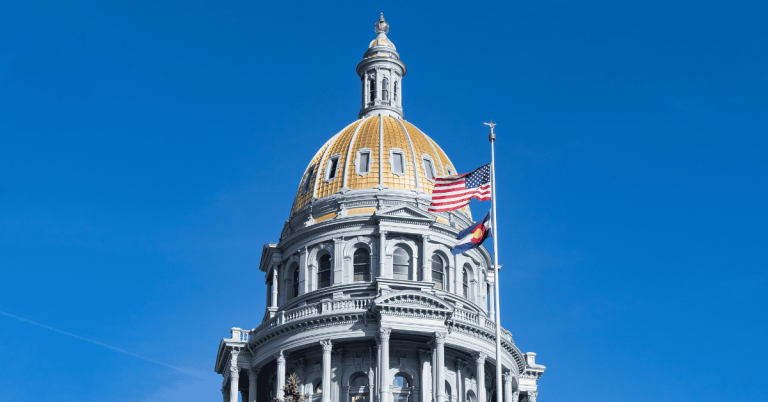
Colorado Voters Ditch Flat Tax, Opt to Tax the Rich and Corporations
• By Aidan Davis, Dylan Grundman O'Neill
Colorado voters approved Amendment 87, also known as Initiative 195, which will give the vast majority of Coloradans an income tax cut. Only households in the richest 5 percent will pay more. The state will raise approximately $2 billion a year in new revenue to fund K-12 education, healthcare, and childcare.

Utah Latest State to Make Headway Against Montana Car-Registration Tax Dodge
• By Eli Byerly-Duke
Car owners from around the country have for years tried to avoid paying their fees and taxes by titling their cars in Montana under a shell company to avoid sales taxes and fees in their state of residence.

Circuit Breaker Credits: The Best Tools for Property Tax Affordability
• By Brakeyshia Samms, Nick Johnson
Robust and well-publicized circuit breakers have immense potential to improve property tax affordability and reduce the overall regressive tilt of property tax systems.
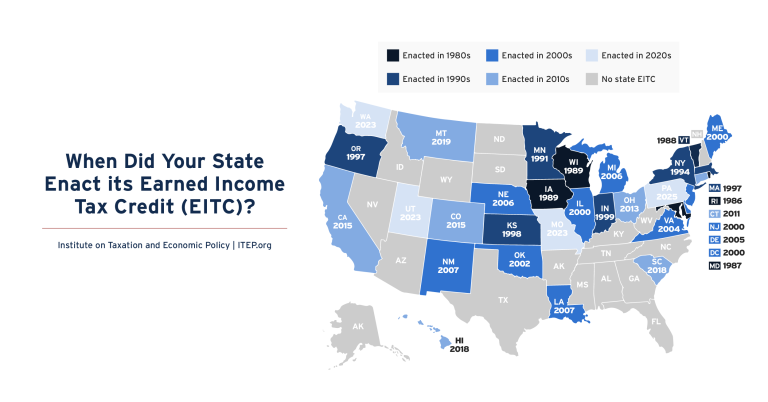
When Did Your State Enact an Earned Income Tax Credit (EITC)?
• By ITEP Staff
The Earned Income Tax Credit (EITC) supports millions of workers and families and continues to grow in states and localities across the country. Today, 31 states plus the District of Columbia and Puerto Rico offer EITCs. Local EITCs can also now be found in Montgomery County, Maryland, New York City, and San Francisco, where they benefited 700,000 households in 2023.
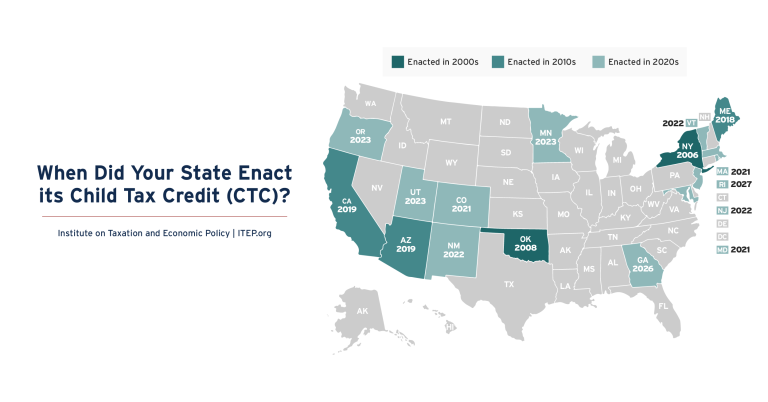
When Did Your State Enact a Child Tax Credit?
• By Neva Butkus
The Child Tax Credit (CTC) is an important tool to fight child poverty and help families make ends meet. When designed well, it can also make tax systems less regressive. As of 2020, only six states had CTCs. Today, 15 states have CTCs, with many credits exceeding $1,000 per qualifying child.
State Rundown 11/5: Election Day Put Taxes on the Ballot
• By ITEP Staff
While voters delivered an historic rebuke of the economic and tax policies of the Trump administration as affordability concerns became a flashpoint, voters also decided on major tax ballot questions that will raise and protect revenue and do more to tax the rich in Washington, California, and Colorado.
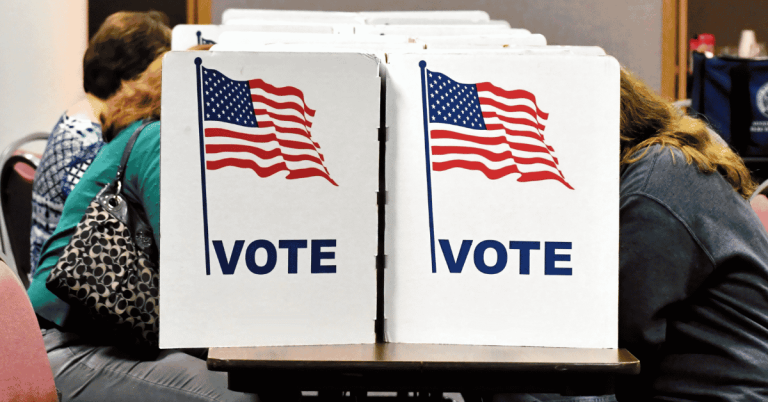
Voters Pass Ballot Measures to Raise and Protect Revenue, Tax the Rich
• By Aidan Davis, Jon Whiten
Voters in states across the country on Tuesday passed critical ballot measures to raise and protect revenue and increase tax fairness. In three of four cases, voters showed their support for taxing the rich.
State Rundown 10/22: Despite Obstacles, Progressive Taxes Define 2026
• By ITEP Staff
As more states move to raise revenue and tax the rich, anti-tax lobbyists and lawmakers are hard at work to undo that progress. Despite pushback, important conversations around needed revenue continue.
State Rundown 10/8: Ballot Debates and Gas Tax Promises Accelerate as Election Day Nears
• By ITEP Staff
As the Iran War continues to cause gas prices to rise across the country, lawmakers are stepping on the accelerator instead of pumping the brakes on costly and ineffective proposals to suspend the gas tax ahead of the November election.
New State Taxes on the Wealthy Raise Revenue and Rebalance Tax Codes, Advancing Racial Justice
• By Brakeyshia Samms
Taxing the rich is proven fiscal policy – it raises revenue for vital public services and makes tax codes fairer. But a part of the debate that rarely gets enough attention: taxing the rich is also one of the most effective tools available for advancing racial equity.

Tallying Up the Impact of Florida’s Property Tax Ballot Measure on Local Communities
• By Neva Butkus
Florida voters will soon vote on Amendment 3, which would create a pathway for non-school property tax elimination in the state. If passed, the measure would cost local governments $13.7 billion in the first two years alone.
California’s Prop 40: Responses to Common Objections
• By Brian Galle, David Gamage, Darien Shankse
Proposition 40, California’s proposed billionaire tax, is a one-time 5 percent levy that addresses a significant one-time emergency, namely the cuts made to the healthcare system by the so-called “One Big Beautiful Bill Act.”
State Rundown 9/24: States Reckon with Tightening Fiscal Futures
• By ITEP Staff
States across the nation are reckoning with their tightening fiscal futures as inflation and economic woes continue to eat into their budgets.

State Earned Income Tax Credits Will Support Families and Workers in 2027
• By Neva Butkus
Nearly two-thirds of states (plus the District of Columbia and Puerto Rico) have an Earned Income Tax Credit. These credits boost low-paid workers’ incomes and offset some of the taxes they pay, helping working class families achieve greater economic security.

State Child Tax Credits Will Boost Financial Security for Families and Children in 2027
• By Neva Butkus
Sixteen states provide Child Tax Credits to reduce poverty, boost economic security, and invest in children. State lawmakers have several options to maximize the impact of Child Tax Credits.
Get weekly updates by signing up for our State Rundown newsletter.
Learn more about state taxes across the country, read Who Pays?
Tax Rate Data
Featured Topics

Institute on Taxation
and Economic Policy
ITEP is a non-profit, non-partisan tax policy organization. We conduct rigorous analyses of tax and economic proposals and provide data-driven recommendations to shape equitable and sustainable tax systems.
Subscribe to ITEP Emails
Tax research and policy news in your inbox.
Promote Fair Tax Policy
Your gift to ITEP promotes tax justice. With your help, we do research that supports taxing millionaires and billionaires, taxing big corporations and raising revenue for the things our people, our communities and our planet need.
Together, we can create a country with more economic justice, more racial justice, more climate justice… and more tax justice.