In 2026, cities, counties, and school districts must manage tax cuts coming from federal and state governments, the end of federal pandemic aid, rising costs, and a stagnant economy. This challenging environment is forcing municipalities of all types to ask how they can best fund core priorities and invest in communities in the long term. Larger concerns about affordability are encouraging localities to get creative on adopting new taxes on the wealthiest residents.
New or Improved Local Taxes
One of the more prominent trends this year has revolved around real estate. Mansions, second homes, and vacation rentals stress local housing markets by driving up the costs of living for permanent residents. Increasing property values reduce availability of affordable homes for first-time buyers, raise property taxes for all owners, and can limit the availability of all housing units, both by restricting the number of units on the market, as well as making it much more challenging for new housing to get built.
Cities across the country have adopted a range of new taxes on real estate. New York City created a new pied-a-terre tax, going into effect this year. The city will collect an estimated $500 million in the first year. Hawaii County also created a new property tax rate on non-owner-occupied homes worth more than $4 million in response to a growing number of vacation homes on the island. The new rate will raise an estimated $94 million next fiscal year. Taxes on expensive second homes are becoming increasingly common across the country.
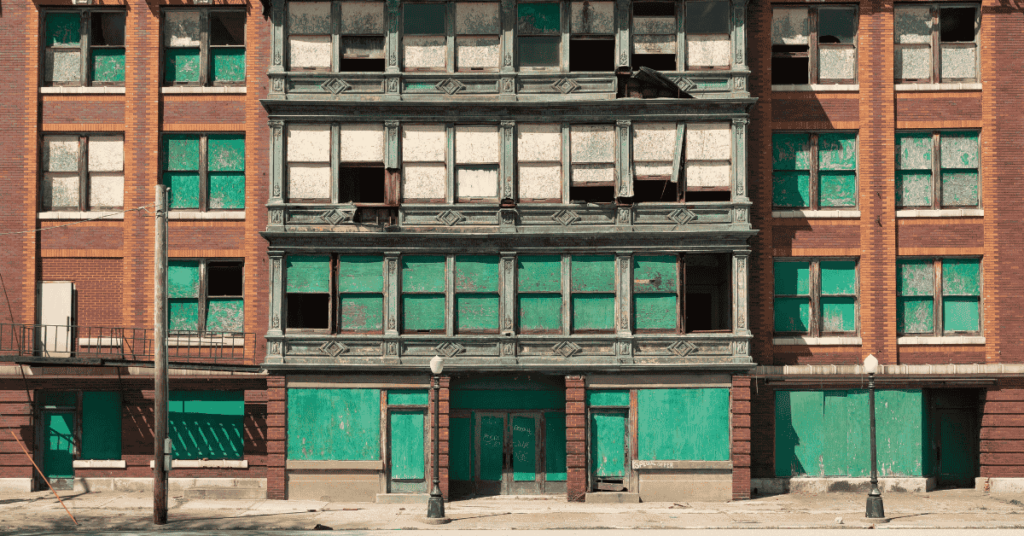
Some cities are also exploring ways to reduce vacant or underused land. Louisville-Davidson County, Kentucky received approval from the state to raise the property tax rate on vacant lots and surface parking lots to spur denser development. Charlottesville, Falls Church, Fredericksburg, and Newport News, Virginia, were given permission by the statehouse to tax land at a higher rate than buildings. Persistently vacant properties are bad for neighborhoods, and this policy, known as split-roll property taxation, is one way to fight against the problems caused by vacancy.
Some other cities protected or strengthened their local income taxes. Local income taxes can inject much-needed progressivity into otherwise upside-down local tax codes. Voters in St. Louis and Kansas City, Missouri strongly supported keeping their cities’ local income taxes despite continued attacks on the state’s personal income tax. Portland, Oregon amended the city’s arts tax, raising the annual fee but exempting low-income households. Montgomery County, Maryland created a marginal income tax structure for the county income tax, while maintaining the county earned income tax. And two school districts in Ohio adopted new local earnings taxes to close budget gaps and maintain their property tax rates.
And one of the most promising emerging tax stories comes from Chicago. Late last year, the city adopted a tax on large social media companies, with funds dedicated to community mental health services. The city now expects to collect nearly 60 percent more revenue from this tax than originally estimated, making this a windfall for the city.
Communities across the country are using novel taxes to raise needed revenue and improve the progressivity of their tax bases. Our recent report co-authored with Local Progress Impact Lab describes the best policies for taxing the rich at the local level. In lieu of state or federal action to hold the wealthy and corporations accountable for their duty to their fellow residents, localities can and should lead the way to build support for greater action towards more fair tax systems.
Continued Property Tax Cuts
Despite evidence old and new that widespread, untargeted property tax cuts undermine local budgets and have little effect on housing affordability, an unrelenting push for property tax cuts continues. The Republican parties of Idaho and Indiana even put property tax elimination in their party platforms, meaning this bad idea is spreading.
This year, multiple states and municipalities have cut property taxes or placed referendums on the ballot for voters to decide.
- In November, Florida residents will vote on a referendum that would restrict homeowner property taxes by increasing the exemption on non-school taxes to $250,000 by 2028. The text of the referendum would force cities to severely restrict spending, destroy credit ratings across the state, and could drive up property tax rates on other properties, like rental housing and commercial property. The referendum also pits current owners against new homebuyers by forcing new buyers to wait five years before qualifying for the same benefits as everyone else. This will penalize Floridians buying their first house.
- Georgia placed an inflation cap on property tax growth, with the option for cities and counties to levy new sales taxes to make up the difference. Housing inflation over the past six years has vastly outpaced general inflation, and this will make those assessments less accurate. In addition, new sales taxes are far more regressive than property taxes are and would shift the tax share onto low-income households.
- Iowa created a 2 percent revenue growth cap for virtually all local governments and replaced the homestead tax credit with a property tax exemption. The bill also raised the property tax rate for multifamily residential buildings. Municipalities will lose over $432 million by 2033.
- North Carolina froze property assessments, which will make assessments less reliable, drive wedges between neighbors due to uneven assessments, and weaken public funding for essential services. In addition, voters will be asked about a constitutional levy limit, which would severely restrict how local governments raise revenues from property taxes, and which would give the biggest tax cuts to the wealthiest residents.
- South Dakota, like Georgia, authorized a sales tax/property tax swap. Sales tax revenues must be dedicated to cutting property taxes.
- Wyoming is looking to double down on last year’s catastrophic property tax cut with another. The state will hold a citizen-sponsored referendum that would exempt 50 percent of a primary residence’s value from property taxation. Last year, Wyoming’s legislature exempted 25 percent of a home’s value up to $1 million from property tax. Though that version had a cap attached, cities, counties, and special districts across the state were forced to make major cuts, and the law has led to ongoing lawsuits between the governor and the state’s Board of Equalization over concerns about the law’s constitutionality. Exempting half of all homeowner property value in the state from taxation would effectively destroy local government service capacity and give the biggest tax cuts to the wealthiest homeowners.
- Leaders in Warren County, Ohio have also eliminated their property tax millage for property owners, opting for a local sales tax instead. Though this was announced as a one-year change, it may be renewed. The swap introduces inequities, with the sales tax asking even more of families who can afford it the least.
Many of these trends point toward deep revenue loss, and eventual cuts to core public priorities. The services people receive from their local governments – paved roads, garbage collection, safe parks and libraries, clean water, and educated children – cannot be paid for with hopes, dreams, and promises. Local services are paid for by all of us for the benefit of all. Lawmakers that continue to cut away at funding options for municipalities, schools, counties, and special districts are undermining the very things that make people choose where to live in the first place.