This op-ed was first published in The Progressive.
Every February, Black History Month provides an opportunity for us to remember the past and confront how history continues to shape our future. One place where the legacy of the past is hiding in plain sight is the property tax system—a foundation of local government finance that is not as fair as it needs to be.
As lawmakers across the country debate property tax cuts, most proposals would worsen existing inequities and devastate public services. But there are tax-based solutions available that can advance racial and economic justice.
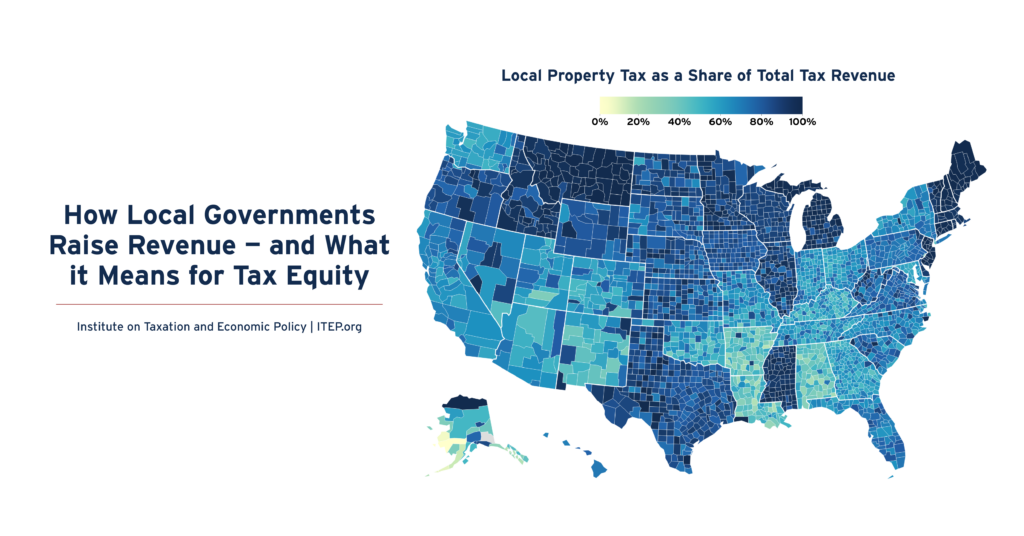
Property taxes are extremely important as the primary funding source for local governments, accounting for roughly three-fourths of local tax revenue. These dollars pay for public schools, roads, libraries, and emergency services—the bedrock of daily life. Communities with weak or stagnant property tax bases often face crumbling roads, overcrowded classrooms, and fewer public services.
However, Black homeowners pay about 10 to 13 percent more in property taxes than white homeowners in the same jurisdiction with comparable homes. That’s because homes in Black neighborhoods are more likely to be over-assessed for tax purposes while being undervalued by private appraisers. This costs the average Black family hundreds of dollars a year. These aren’t abstract numbers. They represent groceries not bought, savings not built, and debts not paid, for lack of money in the family budget.
Home ownership remains one of the most important avenues for wealth-building in the United States, but it’s one from which Black families have been systematically excluded. Only about 45 percent of Black households own their homes, compared with roughly 74 percent of white households. Additionally, white households hold more than five times as much wealth as Black households.
We need property tax reform that narrows these divides. Unfortunately, the proposals emerging in current discussions about property tax reforms often miss the mark.
For instance, widely debated proposals to fully eliminate portions of existing property tax bases would prevent state and local governments from reducing overcrowded classrooms, fixing crumbling roads, and providing affordable health care.
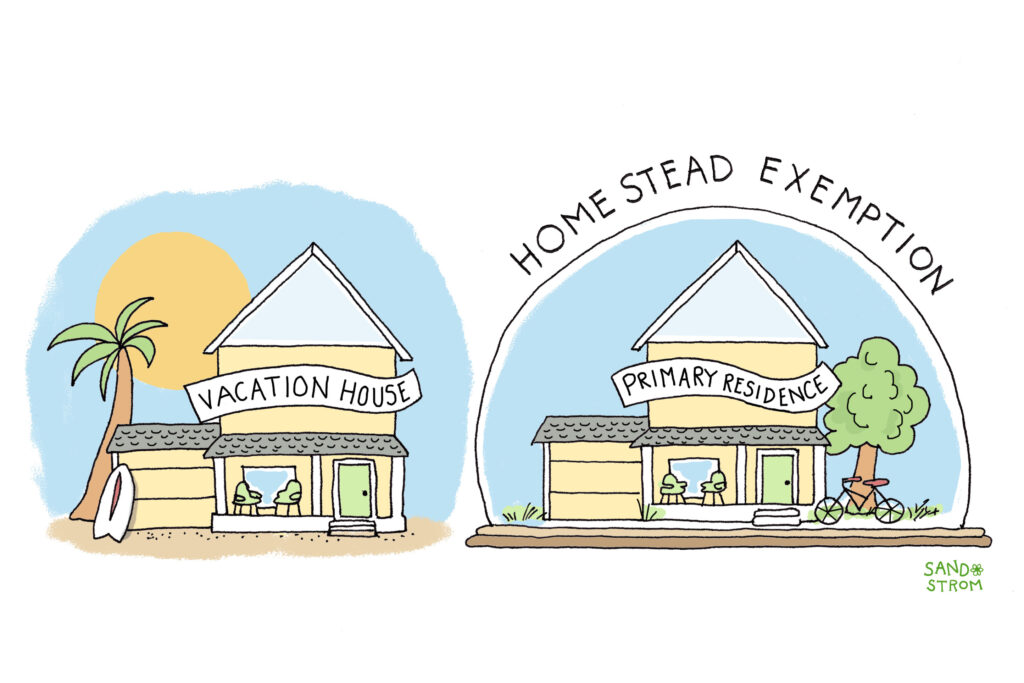
Meanwhile, tax caps on assessment growth disproportionately benefit homeowners in rapidly appreciating neighborhoods—which tend to be wealthier and whiter—while offering little help to communities of color. Homestead exemptions give every homeowner the same dollar break, whether their home is worth $200,000 or $20 million. Outright elimination does nothing more than eliminate vital funding for public services.
If the goal is property tax affordability, there is a better option: It is what’s known as property tax circuit breakers. Currently, twenty-nine states and the District of Columbia offer some kind of circuit breaker program. These limit property taxes to a percentage of household income, ensuring that tax bills reflect ability to pay rather than just property values.
If a family loses income—through unemployment, illness, or economic downturns—a circuit breaker prevents their property tax bill from becoming unmanageable. Unlike flat homestead exemptions or tax caps, circuit breakers are targeted, flexible and responsive to real-world financial situations. And well-designed circuit breakers can even help renters stay housed, cover essentials, and save toward future homeownership.
Black History Month is about reckoning with systems that still reproduce injustice and inequality. Property taxes provide vital revenue to fund core resources that benefit everyone. But lawmakers, through policy decisions, choose whether they function as yet another upward transfer of wealth or as a stabilizing force that supports all families and communities.
Property taxes are often described as objective and race-blind. In reality, they reflect the history of segregation, disinvestment and biased valuation practices.
If we are serious about building a multiracial democracy where everyone contributes and everyone benefits, property tax policy must stop privileging wealth and start reflecting justice.
Tax changes and policies like circuit breakers alone won’t erase centuries of racial inequity. But they are a tried and effective tool to ensure that the cost of supporting our communities does not continue to fall hardest on those who have the least.
And that’s something worth fighting for all year long.