Today the Supreme Court made the right decision in striking down most of the tariffs President Trump has put into motion during his second term, reasoning that the power to impose tariffs, like the power to impose other types of taxes, is granted to Congress under the Constitution and not to the President acting alone.
But this victory for the middle-class Americans who ultimately pay Trump’s tariffs is bittersweet for several reasons.
First, nothing changes the fact that the tariffs in effect until now have gobbled up a larger share of income from low- and middle-income families than from well-off families, making them an extremely unfair tax increase.
If any of the tariffs struck down by the Supreme Court are refunded, that will not change this and in fact will make the effects of these policies even more unfair because the refunds will be paid mostly to large companies that import goods. These companies will have almost no incentive to pass the refunds onto consumers in any way. The result will be mostly a transfer of income from ordinary Americans to corporations.
Second, the Trump administration has signaled that it will impose essentially the same tariff policies but justify them under other existing statutes. While this may be more burdensome and time-consuming for administration officials, the ultimate effect will be tariffs as significant as those just struck down, and they will be less vulnerable to legal challenges.
Finally, while the majority’s opinion is also a victory for the rule of law and the separation of powers laid out in the Constitution, the administration is usurping Congress’ power to make tax policy in other ways, and the judicial branch is doing nothing to stop it.
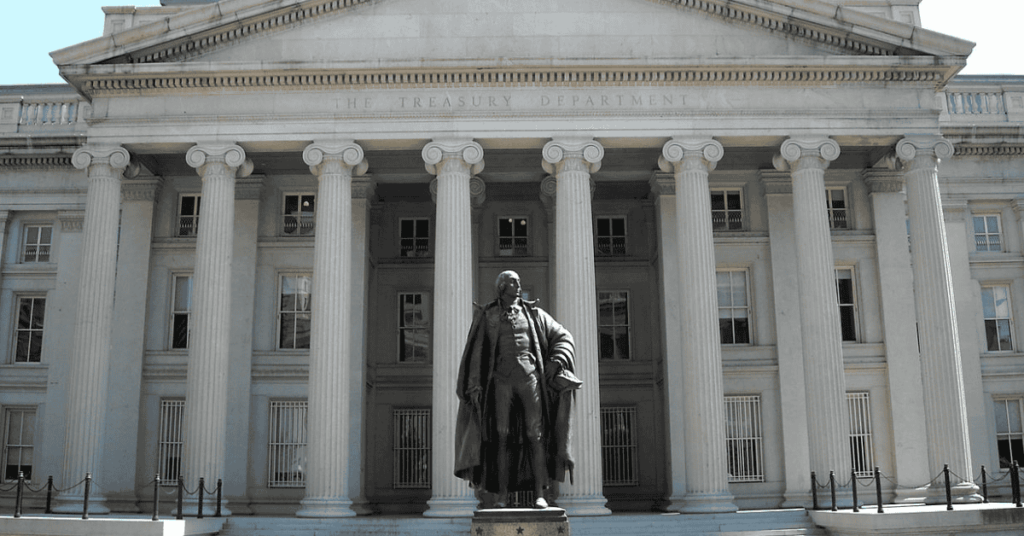
In particular, federal courts have ruled that, in general, no one has standing to sue to block regulations that cut taxes. When the Trump administration unilaterally cuts corporate taxes through regulations that ignore the very statutes they claim to implement, federal courts will not allow legal challenges. For example, earlier this week, the Treasury Department invented new exceptions to the corporate minimum tax enacted in 2022, potentially providing massive tax breaks to a handful of companies reporting over a billion dollars in profits each year.
These corporate tax breaks created by the Treasury Department are just one manifestation of continuing danger for the legislative process and for democratic norms despite today’s ruling striking down one of Trump’s most audacious attempts to expand his power.