As the one-year anniversary approaches of President Trump signing the so-called “One Big Beautiful Bill Act” (OBBBA) into law on July 4, the Institute on Taxation and Economic Policy is available to help assess the law’s impact, who benefits most, and how the law fits into the broader Trump-GOP tax agenda.
ITEP has published national and state-by-state estimates showing that the 2025 Trump tax law overwhelmingly benefits the richest Americans and corporations, while doing far less for working- and middle-class families than its supporters claimed.
Our analysts can speak to several key ITEP findings:
- The law raises taxes on the poorest 40% of Americans in 2026, barely cuts taxes for the middle 20%, and delivers the bulk of its benefits to the wealthiest Americans.
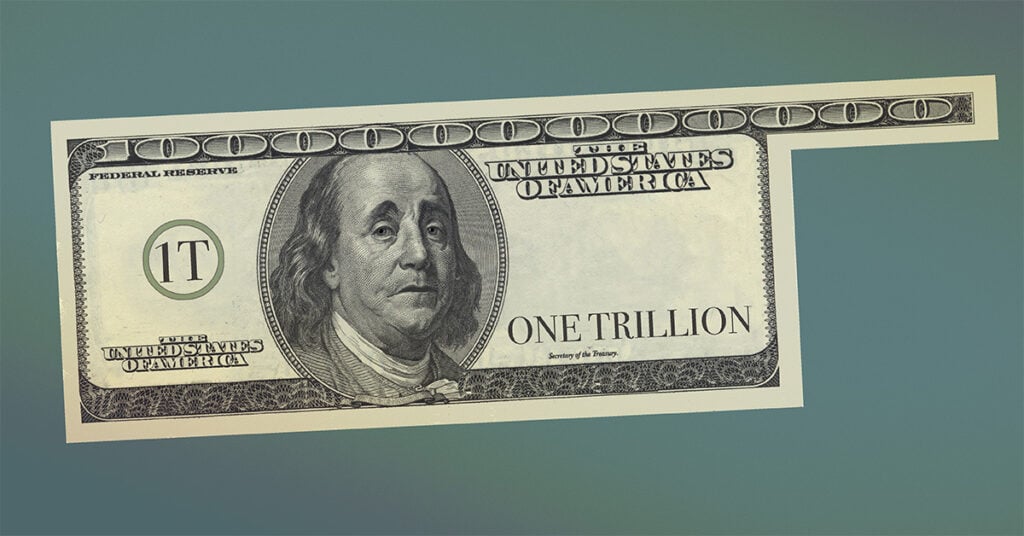
- The richest 1% alone will receive a larger total net tax cut in 2026 than the bottom 80% of Americans combined. In all, the richest 1% will get a $1 trillion tax cut over the next 10 years.
- The law reduces federal revenue by nearly $570 billion in 2026 alone, with more than 70% of the benefits of its net tax cuts going to the richest fifth of Americans.
- A far cheaper and fairer alternative could have cost less than half as much while providing larger average tax cuts to the bottom 60% of Americans.
- When the Trump administration’s tariffs and the expiration of enhanced Affordable Care Act premium tax credits are considered alongside the tax law, all but the richest 5% of Americans face higher taxes on average in 2026.
- Many of the 42 states with income taxes are declining to incorporate some of the new law’s most expensive or regressive provisions, like its exemptions for tips and overtime income or its costly corporate tax breaks, into their own tax codes. For example, as of late June only 10 states – a quarter of the states with personal income taxes — have decided to allow the tipped income deduction for tax year 2026, and just 9 are allowing the deduction for overtime.
Many of the ITEP analyses linked above also include downloadable state-by-state data that can help you localize coverage of the law’s impact.
ITEP experts are available for interviews and background conversations on:
- How the Trump tax law affects families at different income levels
- Which states and income groups are most affected
- How the Trump tax law affects state tax codes and how state lawmakers have been responding
- How the law interacts with tariffs and expiring health care tax credits
- Why the law is far more costly than advertised
- What alternative tax approaches could have delivered more help to working families at a lower cost