
The ITEP Guide to State & Local Taxes
Income & Profits
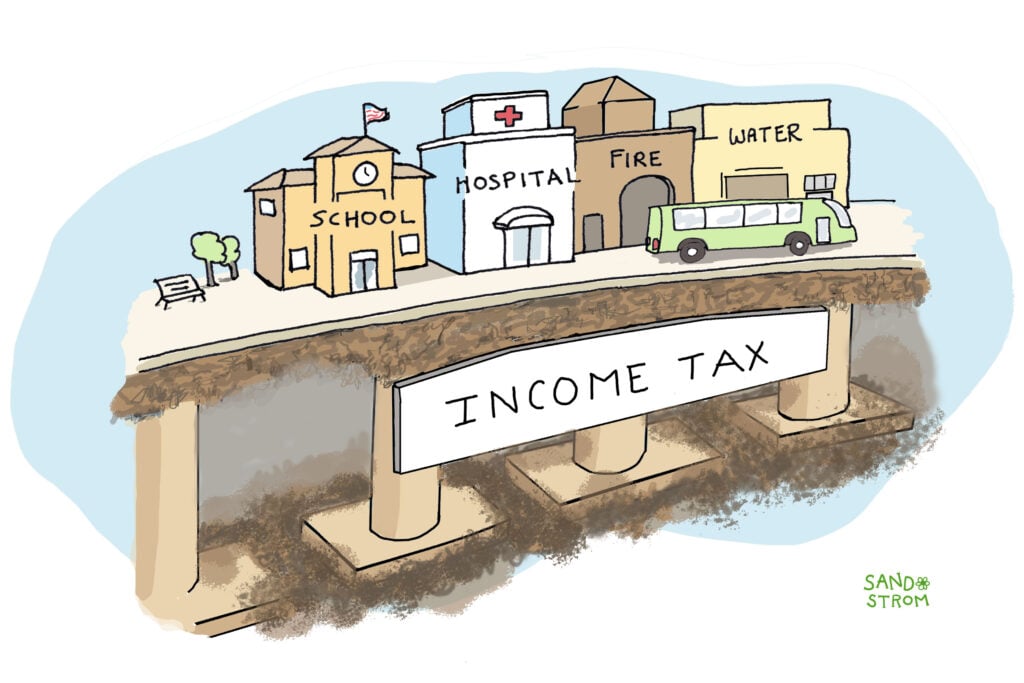
How Do Personal Income Taxes Work?
The personal income tax funds public education, health care, public safety, and other public services provided by state and local governments. If well-designed, it is the fairest major revenue source available to states.

How Do State Corporate Income Taxes Work?
State corporate income taxes apply to C-corporation profits earned in each state. Learn how nexus, apportionment, combined reporting, and tax rates work.

How Do State Itemized Deductions Work?
Most states that collect income taxes allow taxpayers to claim itemized deductions, which are tax breaks for items such as charitable donations, mortgage interest, medical expenses, and property taxes. These deductions reduce revenues that could otherwise be used for services like schools and health care, and they mostly benefit wealthy families. Because they are so skewed and ineffective, many states either limit itemized deductions or forgo them altogether.
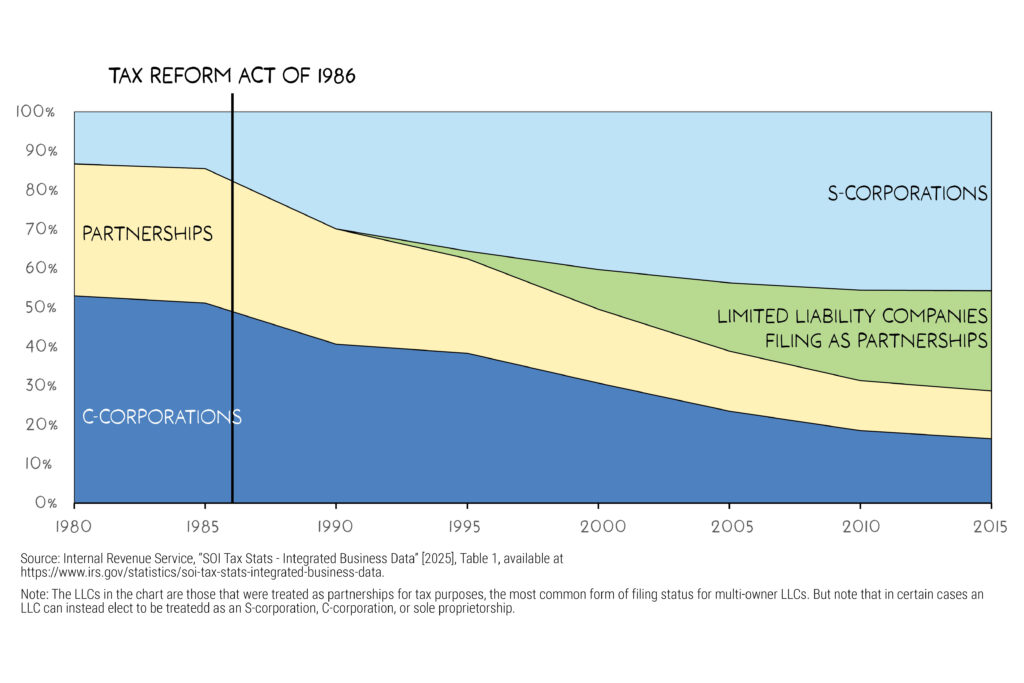
How Do States Tax the Profits of Pass-through Entities?
Learn how states tax pass-through entity profits, including S-corps, partnerships, and sole proprietorships, and why it matters for tax equity.
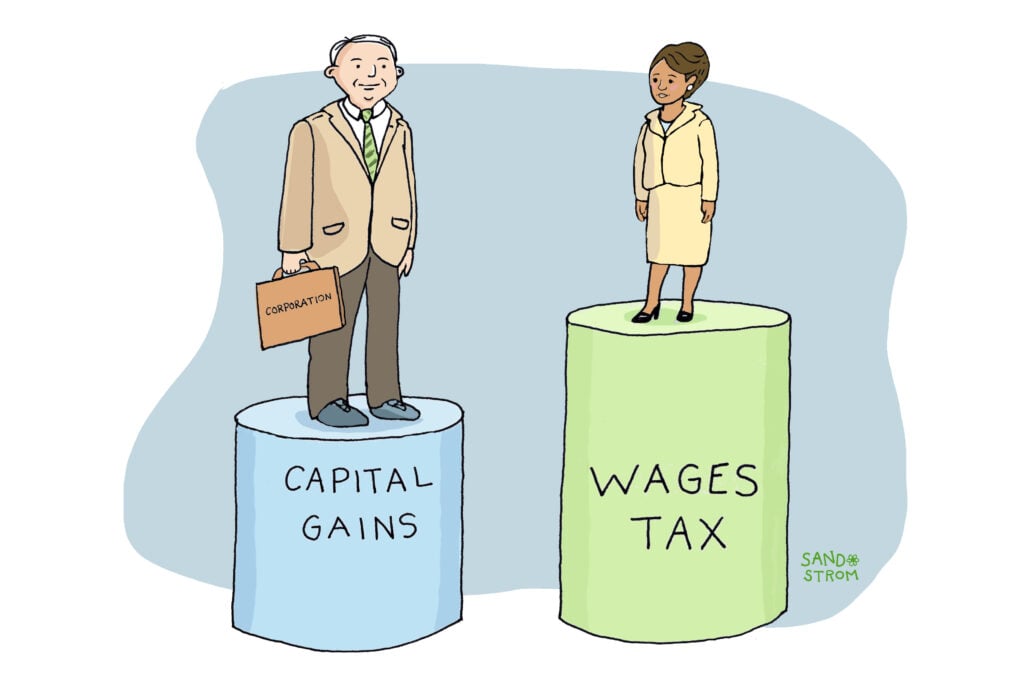
How Do States Tax Investment Income?
State personal income taxes apply not just to wages and salaries but also earnings on investments, like stocks and bonds. Most investments are held by wealthy people, so when states tax investment income at a lower rate than wages, high-income households pay tax at lower rates than middle-income households. By contrast, states that strengthen taxation of investment income can raise substantial revenue while improving economic and racial equity of their tax code.

How Do State Tax Credits for Workers and Families Work?
State-level Earned Income Tax Credits (EITCs) and Child Tax Credits (CTCs) help workers and families make ends meet by reducing their taxes and providing refunds. Research shows these credits are very effective at reducing poverty and creating more equitable tax systems.

Institute on Taxation
and Economic Policy
ITEP is a non-profit, non-partisan tax policy organization. We conduct rigorous analyses of tax and economic proposals and provide data-driven recommendations to shape equitable and sustainable tax systems.
Subscribe to ITEP Emails
Tax research and policy news in your inbox.
Promote Fair Tax Policy
Your gift to ITEP promotes tax justice. With your help, we do research that supports taxing millionaires and billionaires, taxing big corporations and raising revenue for the things our people, our communities and our planet need.
Together, we can create a country with more economic justice, more racial justice, more climate justice… and more tax justice.