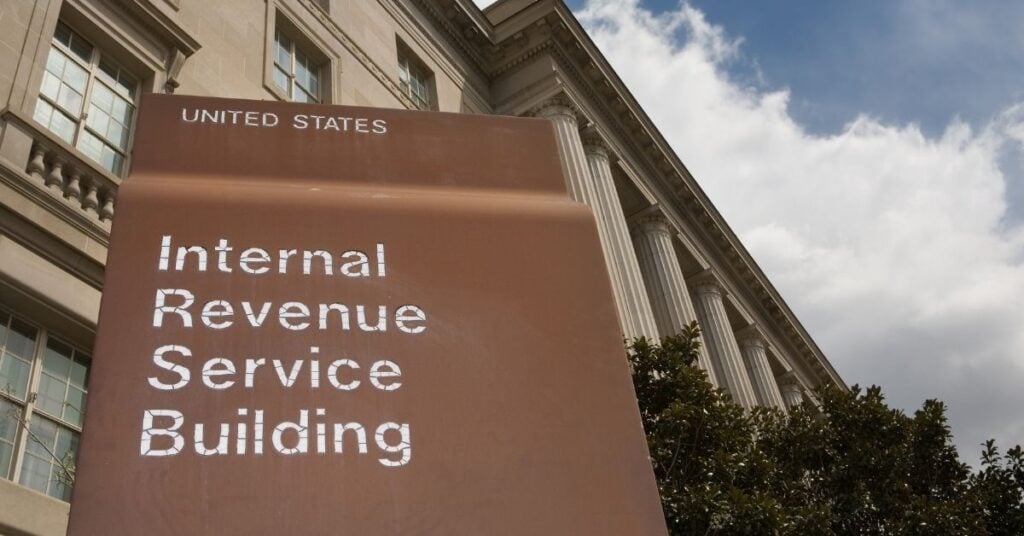
As tax filing season begins, families have fewer options than last year, thanks to the heavy lobbying efforts of big tax-preparation corporations like Intuit (the parent company of TurboTax).
The company and others helped convince the Trump administration to end the Direct File program, which allowed millions of Americans to file their taxes online directly through the IRS. Now, those taxpayers will instead need to rely on private companies if they want to file online.
The stated reason for Intuit’s disdain of Direct File was the cost, yet the company itself has received special tax breaks that are roughly the same amount as the cost of the IRS’s popular but now shuttered free filing program. Ironically, Intuit may well be using these research tax breaks to help develop paid tax-preparation services that Americans were able to receive for free under Direct File. (Like most companies, Intuit does not publicize what research it conducts that qualifies for this tax break.)
In the last five years, Intuit has received $492 million in federal research and development credits. Meanwhile, the IRS previously stated that the Direct File program cost just $32 million to launch in its first year, and would cost between $64 million and $249 million a year as it expanded to include more tax filers.
Intuit and Other Tax Preparations Companies Lobbied Congress and the Trump Administration to Kill Truly Free Online Tax Filing
Direct File was launched in 2024 with funding from the Inflation Reduction Act. It was the first time taxpayers had the option to file their taxes online directly with the IRS. It makes sense that the IRS should provide its own option to file taxes online and directly with the agency itself, as many other developed countries do.
But the fact of the matter is that the corporate lobby eventually won out, forcing Americans to rely on private services. They argued that the program was too expensive to develop and maintain despite it potentially costing less than one company alone receives in R&D tax breaks. They made ridiculous appeals to identity politics, arguing that Direct File would somehow harm Black Americans in particular and that TurboTax stands up for women.
Before Direct File, the IRS had agreed not to develop its own online filing system as long as private companies like Intuit would provide a free option for taxpayers with relatively simple returns. The tax prep industry then came up with shady tactics to direct filers away from these services.
Intuit and H&R Block added code to their websites that would hide the free services from Google search results. Companies would add the word “free” in advertising their paid services, then hit taxpayers with the bill once they had already entered all their private information and nearly completed the time-consuming process.
Intuit was eventually sued for misleading taxpayers with these tactics and settled for $114 million. Around the same time, the company decided to end its agreement with the IRS to provide these free services in the first place.
Intuit is the giant of the tax prep industry, but it is not alone in questionable practices. Many smaller tax preparers have been found guilty of crossing the line from misleading to illegal. Dodgy tax prep shops will advertise that they can “maximize your refund,” charge excessive fees, then submit fraudulent information to the IRS, leaving taxpayers on the hook who thought they were simply doing what the government requires them to do each year.
The New Tax Law Provides Yet Another Tax Break to Intuit for ‘Research’
The research tax credit is not the only tax subsidy the company receives for research and development. The tax code allows companies to immediately deduct (expense) the full cost of investments in research that does not qualify for the research credit – and thanks to changes made last year, will even let companies deduct the cost of research that has already happened.
In 2017, Republicans included a provision in their tax bill that would eventually replace research expensing with a rule that is less generous, but more typical of the tax treatment of investments (allowing the costs to be deducted over several years). Drafters of the 2017 law may never have intended to permanently remove the less generous treatment of research costs, but they included that provision to lower the cost of the initial bill, banking on a future Congress to reinstate it.
That is exactly what happened when the new tax law was enacted last year. It reinstates research expensing and even allows companies to retroactively claim it the previous years when it was not allowed. (It technically allows smaller companies to use research expensing retroactively while allowing larger companies like Intuit treatment that is usually effectively the same thing as retroactive expensing.)
Intuit’s financial disclosures to shareholders report how much it lost from that provision in the past five years, and how much it will gain with the retroactive application of the deduction. After factoring in the tax changes in the new tax law, Intuit’s disclosures reveal that the company has an effective tax rate well below the statutory rate of 21 percent over the past five years.
And these two tax breaks, the research credit and research expensing, are only two of many that companies like Intuit enjoy. In 2025 alone, Intuit saved more than $250 million from all the tax breaks allowing the corporation to pay less than 21 percent (the statutory corporate tax rate) of its profits in federal income taxes. In other words, one tax prep company alone receives tax subsidies each year equivalent to the cost of maintaining and expanding Direct File while taxpayers pay billions to the tax prep industry.