
Oklahoma
State Earned Income Tax Credits Support Families and Workers in 2024
September 12, 2024 • By Neva Butkus
Nearly two-thirds of states (31 plus the District of Columbia and Puerto Rico) have an Earned Income Tax Credit. These credits boost low-paid workers’ incomes and offset some of the taxes they pay, helping lower-income families achieve greater economic security.
State Child Tax Credits Boosted Financial Security for Families and Children in 2024
September 12, 2024 • By Neva Butkus
Fifteen states plus the District of Columbia provide Child Tax Credits to reduce poverty, boost economic security, and invest in children. This year alone, lawmakers in three states – Colorado, New York, and Utah – expanded their Child Tax Credits while lawmakers in the District of Columbia created a new credit that will take effect in 2025.

Undocumented immigrants paid $96.7 billion in federal, state, and local taxes in 2022. Providing access to work authorization for undocumented immigrants would increase their tax contributions both because their wages would rise and because their rates of tax compliance would increase.
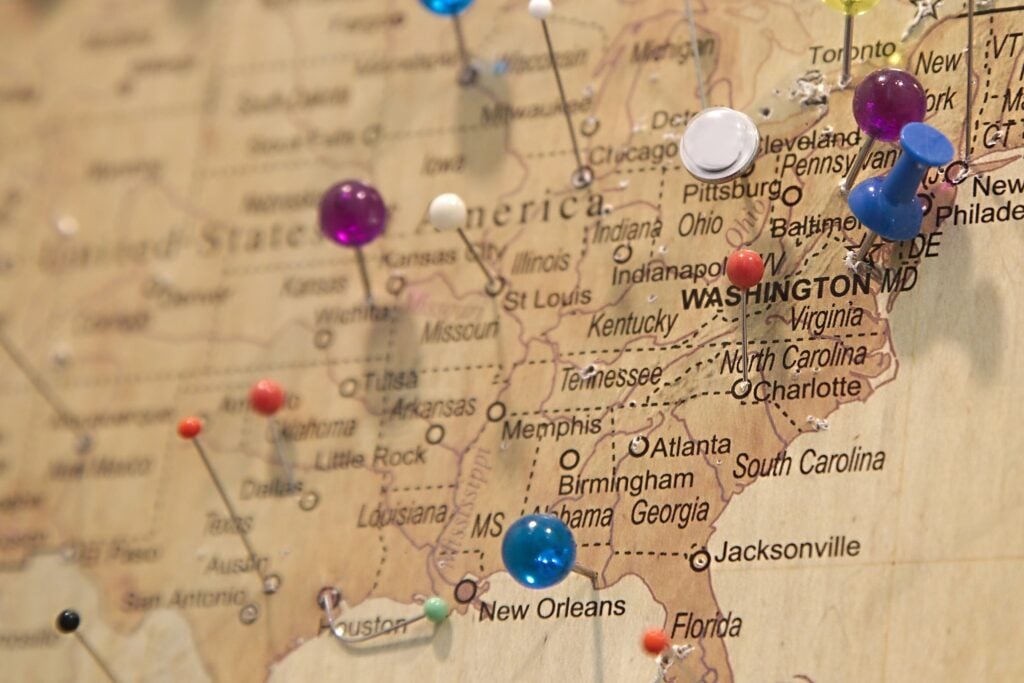
Major tax cuts were largely rejected this year, but states continue to chip away at income taxes. And while property tax cuts were a hot topic across the country, many states failed to deliver effective solutions to affordability issues.
Improving Refundable Tax Credits by Making Them Immigrant-Inclusive
July 17, 2024 • By Emma Sifre, Marco Guzman
Undocumented immigrants who work and pay taxes but don't have a valid Social Security number for either themselves or their children are excluded from federal EITC and CTC benefits. Fortunately, several states have stepped in to ensure undocumented immigrants are not left behind by the gaps in the federal EITC and CTC. State lawmakers should continue to ensure that immigrants who are otherwise eligible for these tax credits receive them.
States Should Enact, Expand Mansion Taxes to Advance Fairness and Shared Prosperity
June 26, 2024 • By Carl Davis, Erika Frankel

The report was produced in partnership with the Center on Budget and Policy Priorities and co-authored by CBPP’s Deputy Director of State Policy Research Samantha Waxman.[1] Click here to use our State Mansion Tax Estimator A historically large share of the nation’s wealth is concentrated in the hands of a few, a reality glaring in […]
Uncertainty abounds in state tax debates lately...
State Rundown 4/17: Tax Cut Proposals and the Consequences of Bad Tax Cuts
April 17, 2024 • By ITEP Staff
Happy (belated) Tax Day!
Governors and legislative leaders in a dozen states have made calls to fully eliminate their taxes on personal or corporate income, after many states already deeply slashed them over the past few years. The public deserves to know the true impact of these plans, which would inevitably result in an outsized windfall to states’ richest taxpayers, more power in the hands of wealthy households and corporations, extreme cuts to basic public services, and more deeply inequitable state tax codes.
Route Fifty: States Move to Cut Grocery Taxes
March 4, 2024
Oklahoma Gov. Kevin Stitt on Tuesday signed a bill to eliminate the state’s sales tax on groceries. With the 4.5% tax gone, that leaves 11 states that impose a grocery tax—a number that is swiftly shrinking. Stitt called it the largest single-year tax cut in state history. Oklahoma will see more than $415 million less in revenue a year.
State legislative sessions are in full swing with New Jersey and Oklahoma both particularly active this week...
State Rundown 2/22: Some Top-Heavy Tax Cut Proposals are Getting the Chop
February 22, 2024 • By ITEP Staff
With many state legislatures now in full swing with activity heating up, some tax cut proposals have lost steam...
Oklahoma Policy Institute: Economic Projections for Asylum Seekers and New Immigrants in Oklahoma
February 12, 2024
Immigration is hardly a new social trend in the state of Oklahoma. Of the four million people living in the state, 243,000 are immigrants, or six percent of the total population, according to the 2022 American Community Survey.
State Rundown 2/8: Flowers, Chocolates, and Tax Cuts for the Wealthy?
February 8, 2024 • By ITEP Staff
While we were hoping to get progressive tax policy wins for Valentine’s Day, many state lawmakers have another idea in mind...
State Tax Watch 2024
January 23, 2024 • By ITEP Staff
Updated July 15, 2024 In 2024, state lawmakers have a choice: advance tax policy that improves equity and helps communities thrive, or push tax policies that disproportionately benefit the wealthy, drain funding for critical public services, and make it harder for low-income and working families to get ahead. Despite worsening state fiscal conditions, we expect […]
Tax policy themes have begun to crop up in states as governors give their yearly addresses and legislators lay out their plans for the 2024 legislative season...
Oklahoma: Who Pays? 7th Edition
January 9, 2024 • By ITEP Staff
Oklahoma Download PDF All figures and charts show 2024 tax law in Oklahoma, presented at 2023 income levels. Senior taxpayers are excluded for reasons detailed in the methodology. Our analysis includes nearly all (99.6 percent) state and local tax revenue collected in Oklahoma. State and local tax shares of family income Top 20% Income Group […]
State Rundown 1/4: New Year, New Opportunities, Same Tax Cut Proposals
January 4, 2024 • By ITEP Staff
The year may be new, but state lawmakers seem to have the same old resolution: slashing state income taxes...

States differ dramatically in how much they allow families to make choices about whether and when to have children and how much support they provide when families do. But there is a clear pattern: the states that compel childbirth spend less to help children once they are born.
America Used to Have a Wealth Tax: The Forgotten History of the General Property Tax
November 2, 2023 • By Carl Davis, Eli Byerly-Duke

Over time, broad wealth taxes were whittled away to become the narrower property taxes we have today. These selective wealth taxes apply to the kinds of wealth that make up a large share of middle-class families’ net worth (like homes and cars), but usually exempt most of the net worth of the wealthy (like business equity, bonds, and pooled investment funds).The rationale for this pared-back approach to wealth taxation has grown weaker in recent decades as inequality has worsened, the share of wealth held outside of real estate has increased, and the tools needed to administer a broad wealth tax…
State Rundown 9/27: Some States are Looking to Paint the Budgets Red
September 27, 2023 • By ITEP Staff
When it comes to investments, state lawmakers across the country are positioning their states to be in the red as they pass or debate further tax cuts that will overwhelmingly benefit the wealthy – and some states are now adding an additional coat of red paint...
The U.S. Census Bureau released its annual assessment of poverty in America this week...
States are Boosting Economic Security with Child Tax Credits in 2023
September 12, 2023 • By Aidan Davis, Neva Butkus

Fourteen states now provide Child Tax Credits to reduce poverty, boost economic security, and invest in children. This year alone, lawmakers in three states created new Child Tax Credits while lawmakers in seven states expanded existing credits. To maximize impact, lawmakers should consider making their credits fully refundable, not including an earnings requirement, setting a maximum amount per child instead of per household, setting state-specific phase-out ranges that target low- and middle-income families, indexing to inflation, and offering the option of advanced payments.
Boosting Incomes, Improving Equity: State Earned Income Tax Credits in 2023
September 12, 2023 • By Aidan Davis, Neva Butkus

Nearly two-thirds of states (31 plus the District of Columbia and Puerto Rico) have an Earned Income Tax Credit, an effective tool that boosts low-paid workers’ incomes and helps lower-income families achieve greater economic security. This year, 12 states expanded and improved EITCs.
Gimmicky Sales Tax Holidays to Cost States & Localities $1.6 Billion This Year
August 3, 2023 • By ITEP Staff
Sales tax holidays are bad policies that have too often been used as a substitute for more meaningful, permanent reform.
