
Oregon
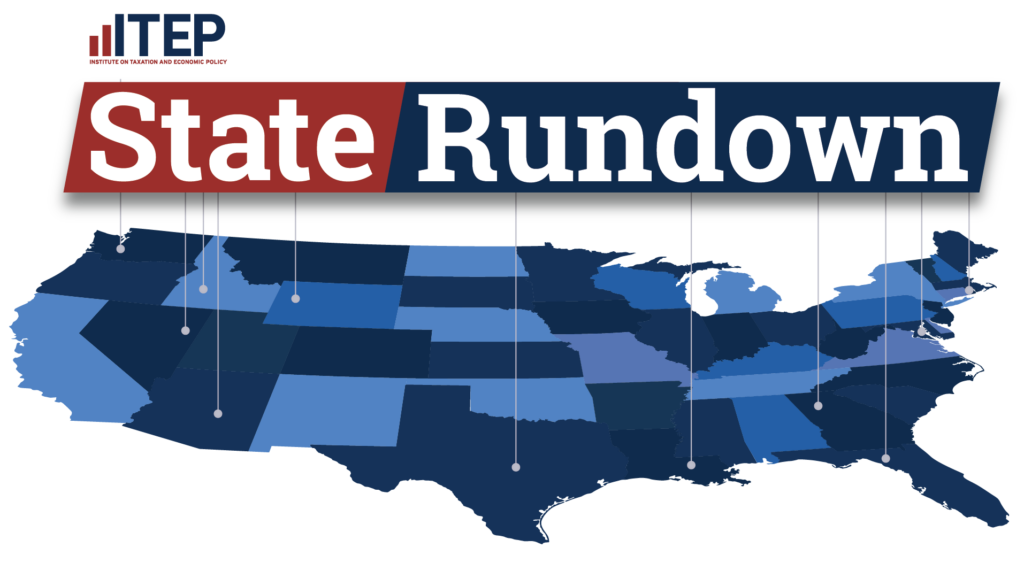
Tax policy results are mixed across the country as many voters weigh in on state and local ballot measures. For example, Washington state voted to maintain its new progressive tax on capital gains; Georgia voters capped growth in property tax assessments; Illinois voters approved a call for a millionaires’ tax; North Dakota voters rejected property […]
2024 State Tax Ballot Questions: Voters to Weigh in on Tax Changes Big and Small
October 17, 2024 • By Jon Whiten

As we approach November’s election, voters in several states will be weighing in on tax policy changes. The outcomes will impact the equity of state and local tax systems and the adequacy of the revenue those systems are able to raise to fund public services.
Economic Opportunity Institute: Oregon and Washington: Different Tax Codes and Very Different Ballot Fights about Taxes this November
September 25, 2024
First, some background. The Institute on Taxation and Economic Policy’s definitive report on state tax systems lists Oregon as #42 – within the top ten – of least regressive tax codes in the country (D.C. and Minnesota are #51 and #50, respectively). In Oregon, the lowest 20% of households by income pay 12 percent of their income in state and local taxes, while the top 1% pay 10.4 percent. What contributes to this relatively fair system is that Oregon’s tax code does not have a sales tax and does have:
Extending Temporary Provisions of the 2017 Trump Tax Law: Updated National and State-by-State Estimates
September 13, 2024 • By Steve Wamhoff

The TCJA Permanency Act would make permanent the provisions of the Tax Cuts and Jobs Act of 2017 that are set to expire at the end of 2025. The legislation would disproportionately benefit the richest Americans. Below are graphics for each state that show the effects of making TCJA permanent across income groups. See ITEP’s […]
State Earned Income Tax Credits Support Families and Workers in 2024
September 12, 2024 • By Neva Butkus
Nearly two-thirds of states (31 plus the District of Columbia and Puerto Rico) have an Earned Income Tax Credit. These credits boost low-paid workers’ incomes and offset some of the taxes they pay, helping lower-income families achieve greater economic security.
State Child Tax Credits Boosted Financial Security for Families and Children in 2024
September 12, 2024 • By Neva Butkus
Fifteen states plus the District of Columbia provide Child Tax Credits to reduce poverty, boost economic security, and invest in children. This year alone, lawmakers in three states – Colorado, New York, and Utah – expanded their Child Tax Credits while lawmakers in the District of Columbia created a new credit that will take effect in 2025.

Many cities, counties, and townships across the country are in a difficult, or at least unstable, budgetary position. Localities are responding to these financial pressures in a variety of ways with some charging ahead with enacting innovative reforms like short-term rental and vacancy taxes, and others setting up local tax commissions to study the problem.

Undocumented immigrants paid $96.7 billion in federal, state, and local taxes in 2022. Providing access to work authorization for undocumented immigrants would increase their tax contributions both because their wages would rise and because their rates of tax compliance would increase.

Major tax cuts were largely rejected this year, but states continue to chip away at income taxes. And while property tax cuts were a hot topic across the country, many states failed to deliver effective solutions to affordability issues.
Improving Refundable Tax Credits by Making Them Immigrant-Inclusive
July 17, 2024 • By Emma Sifre, Marco Guzman
Undocumented immigrants who work and pay taxes but don't have a valid Social Security number for either themselves or their children are excluded from federal EITC and CTC benefits. Fortunately, several states have stepped in to ensure undocumented immigrants are not left behind by the gaps in the federal EITC and CTC. State lawmakers should continue to ensure that immigrants who are otherwise eligible for these tax credits receive them.
State Rundown 6/26: Summer Special Sessions Are In, Anti-tax Ballot Initiatives Out
June 26, 2024 • By ITEP Staff
Many families are heading out on summer vacations, but legislators across the country are heading back to statehouses for special sessions...
States Should Opt Into IRS Direct File as the Program is Made Permanent
May 30, 2024 • By Jon Whiten
While there is plenty of room to expand Direct File at the federal level, states can take matters into their own hands and bring this benefit to their residents by opting into the program.

There are a variety of factors that affect teacher pay. But one often overlooked factor is progressive tax policies that allow states to raise and provide the funding educators and their students deserve.
Iowa Flat Tax Shows Why Such Policies Are a Problem Everywhere
May 9, 2024 • By Eli Byerly-Duke

As Iowa lawmakers change the state’s graduated personal income tax to a single flat rate, they are designing a state tax code where the rich will pay a lower rate overall than families with modest means.
Audio: ITEP’s Joe Hughes on the Need for a Well-Funded IRS
April 12, 2024
ITEP Federal Policy Analyst Joe Hughes appeared on the Oregon Center for Public Policy’s “Policy for the People” podcast, discussing IRS funding and Direct File.
Oregon Center for Public Policy: Complete Reporting Would Make It Hard for Corporations to Hide Profits Overseas
April 10, 2024
Oregon can clamp down on multinational corporations shifting profits overseas, create a more level playing field for Oregon businesses, and raise millions in revenue by enacting “Complete Reporting” by large corporations. That law would make it difficult for multinational corporations to avoid Oregon corporate income taxes by artificially shifting profits earned in Oregon to subsidiaries […]
Money: These States Are Using Their Budget Surpluses to Give Tax Breaks to Residents
April 8, 2024
The most impactful changes in state taxes this year have come in the form of new or expanded tax credits targeted at families with children, according to Aidan Davis, state policy director at the Institute of Taxation and Economic Policy (ITEP), a nonprofit, nonpartisan tax policy organization. “The first really incredible — and, I would say, positive — trend was that 18 states created or enhanced child tax credits or income tax credits in their states,” Davis says. Three of those states (Minnesota, Oregon and Utah) launched brand-new child tax credits, she says, with the remainder altering, and usually improving, existing credits.
State Rundown 4/3: Some States Buck the Trend on Foolish Tax Policy
April 3, 2024 • By ITEP Staff
This week tax cuts were debated across the upper Midwest...
Local Mansion Taxes: Building Stronger Communities with Progressive Taxes on High-Value Real Estate
March 14, 2024 • By Andrew Boardman

More than one dozen cities and counties levy progressive taxes on high-price real estate transactions — sometimes called mansion taxes — and over a dozen more are considering such policies. By asking buyers and sellers with greater financial means to contribute more to the common good, these policies are equipping communities with resources to make progress on critical challenges of local and national concern.
Mother Jones: It’s No Secret Our Tax System Punishes Low-Income People. It Doesn’t Have To
February 26, 2024
Oregon taxpayers will become some of the first in the nation to have the option to self-identify their race and ethnicity when they file their tax returns this year. The reason is both simple and complex: Especially at the state level, taxes worsen America’s yawning wealth gaps rather than easing them. A growing number of advocates and policymakers are trying to do something about that.
Audio: ITEP’s Miles Trinidad Talks About Oregon’s Upside-Down Tax Code
February 12, 2024
We’re talking taxes today on Policy for the People, specifically from the vantage point of the Oregonians with the fewest resources, those who are struggling the most to make ends meet. In our first segment, we hear about a brand new tax credit in Oregon designed to shore up the lowest-income families with young children in our state. Tyler Mac Innis of the Oregon Center for Public Policy explains who qualifies for the Oregon Kids’ Credit and why the creation of this new tax credit is a very good thing. But despite the positive development that the Oregon Kids’ Credit…
Oregon Center for Public Policy: Oregon’s Tax System is Fundamentally Unfair, but We Can Fix It
January 23, 2024
If you were designing a tax system from scratch, who would you tax at a higher rate: a low-income family struggling to pay the rent and put food on the table, or a rich family making way more money than they spend?
State Tax Watch 2024
January 23, 2024 • By ITEP Staff
Updated July 15, 2024 In 2024, state lawmakers have a choice: advance tax policy that improves equity and helps communities thrive, or push tax policies that disproportionately benefit the wealthy, drain funding for critical public services, and make it harder for low-income and working families to get ahead. Despite worsening state fiscal conditions, we expect […]

The findings of Who Pays? go a long way toward explaining why so many states are failing to raise the amount of revenue needed to provide full and robust support for our public schools.
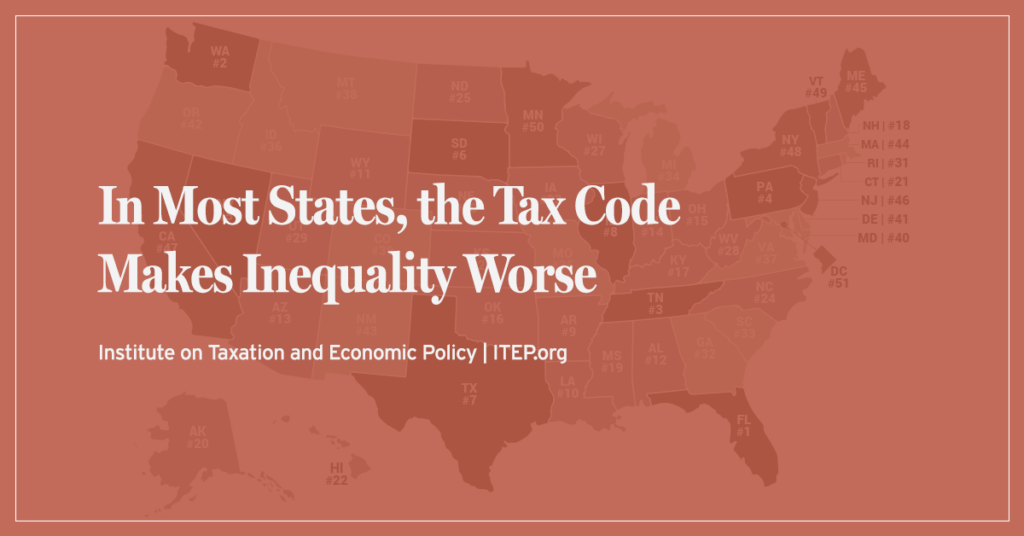
The vast majority of state and local tax systems are upside-down, with the wealthy paying a far lesser share of their income in taxes than low- and middle-income families. Yet a few states have made strides to buck that trend and have tax codes that are somewhat progressive and therefore do not worsen inequality.
