Who says tax regulations are boring? Cheniere Energy execs are likely jumping for joy this week, after the company’s latest annual financial report shows the company reaped a cool $380 million in tax cuts from a single regulatory change made by the Trump administration last fall. The regulation, released last September, is one of a series of increasingly aggressive attempts by the Trump administration to do through regulations what they have been unable to do with legislation: gradually repeal the Biden administration’s Corporate Alternative Minimum Tax (CAMT).
The CAMT is meant to operate as a bulwark against corporate income tax avoidance. The idea is that when very profitable companies (with incomes exceeding $1 billion) use legal tax breaks to reduce their income tax rates below a certain rate, the CAMT will act as a backstop, applying a 15 percent tax rate to a much broader measure of income than the loophole-ridden regular corporate income tax uses.
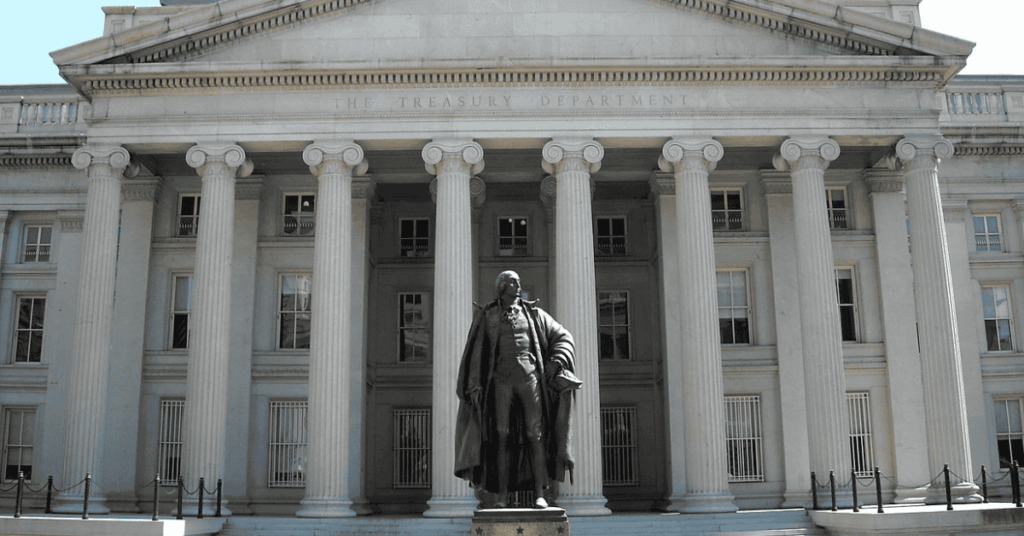
The Treasury Department regulation in question, Notice 2025-49, undermines the basic function of the minimum tax, making it easier for corporations to use previously-incurred net operating losses (NOLs) to avoid this backstop tax just as they use NOLs to avoid the regular corporate tax. This effectively allowed Cheniere to tear up their previously calculated tax returns and demand a $380 million refund from U.S. taxpayers. Buried in the income tax notes of the company’s annual report is a brief acknowledgement that “as a result [of Notice 2025-49], we received a refund of $380 million of previously paid CAMT in December 2025.”
The September Treasury regulations preceded the blatantly illegal CAMT regs Treasury released just two weeks ago, which allow big tech companies to claim research expenses as a deduction against CAMT. As has been widely noted, the Congressional drafters of last summer’s big tax law explicitly chose not to allow research expenses to reduce CAMT, so Treasury’s move amounts to illegally making the nation’s tax laws rather than interpreting them. The September regulations enabling Cheniere’s big tax payday fit within what has been called a “death by a thousand cuts” strategy of gradually weakening the CAMT through labyrinthine regulations.
The Trump Treasury Department’s $380 million gift to Cheniere isn’t the only reason the company didn’t pay a dime of federal income tax last year—the new “bonus depreciation” tax breaks figured prominently in Cheniere’s tax avoidance as well. But, by the company’s own admission, the generosity of Treasury’s new regulations is what made their 0 percent tax rate possible.