
Corporate Tax Watch
After Two Rounds of Trump Tax Cuts, Corporate America Paid Less Than Ever in 2025
• By Matthew Gardner, Steve Wamhoff, Joe Hughes, Spandan Marasini
In 2025, 706 major American corporations collectively paid a federal income tax rate of just 10.4% on $1.88 trillion in U.S. profits. This is the lowest effective rate that ITEP has uncovered in over 40 years of analyzing corporate income taxes.
Meta’s Outlandish Tax Breaks for AI Data Centers
• By Steve Wamhoff
Meta is claiming the research tax credit – a tax break meant to encourage innovation and experimentation – to pay for the equipment it uses in data centers to power its AI activities. ITEP described how Meta paid just 3.5% of its profits in federal corporate income taxes in 2025.

Big Tech Is Raking in Enormous Tax Breaks for AI Development
• By Matthew Gardner
OBBBA’s expensing provision is becoming especially lucrative for the companies building out AI infrastructure right now. There is no evidence whatsoever that tax breaks are necessary to encourage their construction.
TurboTax Maker Intuit Paid Zero Federal Income Tax in 2025
• By Joe Hughes
TurboTax maker Intuit reported nearly $6 billion in U.S. profits in 2025 and paid no federal income tax. Instead, the company received a refund, thanks in part to new tax breaks from OBBBA.

The Biggest Winners from Trump’s Tariff Refunds are Big Corporations
• By Matthew Gardner
The Trump administration has been forced to pay out over $100 billion from illegal tariffs, and the biggest winners from these tariff refunds have been big corporations.

The Trump Administration Slashed Taxes for H&R Block and Raised Costs for Tax Filers
• By Joe Hughes
Tax-prep giant H&R Block paid no federal taxes on its U.S. income in 2025. It also made a public disclosure, required by the European Union, characterizing one-third of its global profits as earned in Ireland, a low-tax country where the company offers no tax services and has only 15 employees.

Six Companies Reaped $83 Billion in Federal Tax Breaks in 2025
• By Sarah Buttikofer, Matthew Gardner
Six companies alone accounted for $83 billion of federal tax breaks disclosed by publicly traded U.S companies so far for 2025. Microsoft received a record high for single-year federal tax breaks for one publicly traded company, followed by Alphabet, Amazon, Meta, JPMorgan Chase, and Nvidia.

Microsoft Reports a 2.44 Percent Federal Tax Rate on a Record $101 Billion in Profits
• By Matthew Gardner
Microsoft avoided federal income tax on almost all of its U.S. income for fiscal year 2026. The company’s 2.44 percent federal tax rate on over $100 billion of U.S. income is largely attributable to tax breaks that were either created or expanded by Republican tax cuts enacted at the behest of President Donald Trump in 2017 and 2025.

Flying Under the Tax Radar: How Profitable Airlines Avoided Federal Income Taxes in 2025
• By Sarah Buttikofer, Spandan Marasini
Corporate tax disclosures reveal that five profitable airlines paid almost nothing in federal income tax last year. In 2025, the effective federal income tax rates of these airlines ranged from 1.07 percent to below zero.
New Legislation Would Require Big Multinationals to Tell Shareholders Where They’re Hiding Offshore Profits
• By Matthew Gardner
Sen. Chris Van Hollen introduced legislation requiring big multinational corporations to tell shareholders and the public what they’re already telling tax authorities behind closed doors: how much income they’re booking in specific offshore tax havens and how little tax they’re paying to these jurisdictions.

Trump Administration Says Shining Light on Corporate Tax Avoidance is ‘Very Dangerous’
• By Matthew Gardner
Administration officials appear far more concerned about the public knowing too much about how U.S. corporations shift their income into offshore tax havens.
New EU Disclosure Requirements Are Helping Identify Corporate Tax Avoiders
• By Matthew Gardner
Microsoft reports a huge share of its worldwide profit in low-tax Ireland and is achieving this despite having a very small share of its employees there. As other companies make similar disclosures between now and the end of calendar year 2026, investors and the public will likely get a much clearer sense of how much profit corporations are hiding offshore—and how much tax they’re avoiding by doing so.

Why Corporations Must Pay More
• By Steve Wamhoff, Amy Hanauer
Corporate tax reforms could be more resilient than proposals to tax wealth or unrealized capital gains while achieving the same goal of more adequately taxing the income of billionaires.

The Final Frontier of Tax Avoidance: Elon Musk’s SpaceX Has $1.9 Billion to Gain from Defunding the IRS
• By Matthew Gardner
A year after Elon Musk’s Department of Government Efficiency (DOGE) cut a swath of destruction through vital federal agencies including the Internal Revenue Service, Musk’s apparent antipathy toward the IRS suddenly makes more sense.

Major Oil and Gas Corporations Pay Little in U.S. Tax
• By Claire Lynch
The oil and gas industry has long been known for widespread tax avoidance. Now, thanks to new disclosure rules, we have a better picture of how this occurs.
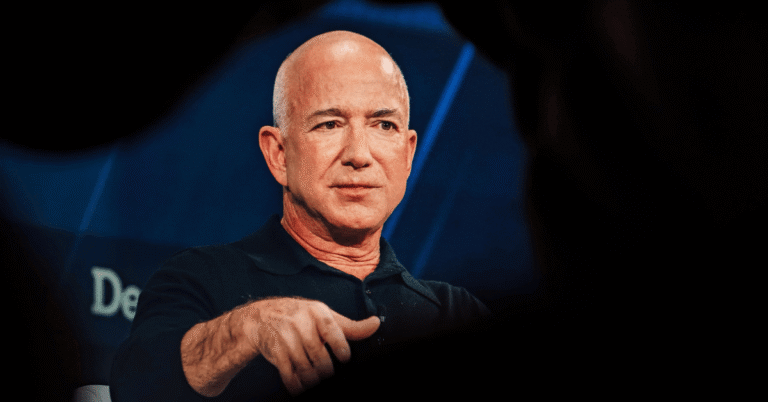
Jeff Bezos’ Amazon Received Almost 10 Percent of Corporate Tax Subsidies Last Year
• By Matthew Gardner, Steve Wamhoff
Amazon received $17.5 billion in tax subsidies in 2025. That’s about 10% of all federal income tax subsidies for publicly traded corporations in 2025.
Progressives Need a Slight Course Correction on Tax Policy
• By Steve Wamhoff
Corporate tax reforms should be the backbone of any progressive tax agenda and should be counted on to remain if other changes to our tax code are later thwarted by any of the three branches of government.

A Resilient Framework for Corporate Tax Reform
• By Steve Wamhoff
The next time Congress is serious about making the wealthiest pay their fair share in federal taxes, they will need to make three key changes to the federal corporate income tax so that it applies effectively to all the businesses that generate their income.

Amidst Soaring Tech Earnings, Meta and Qualcomm Disclose a $13.7 Billion Tax Gift from Trump Administration
• By Matthew Gardner
Both companies acknowledge that they will save billions because of the Trump administration's weakening of the Corporate Alternative Minimum Tax (CAMT). Meta and Qualcomm are just two of the corporations that will benefit from this corporate tax cut provided unilaterally by the Trump's Treasury Department.

The Washington Post Is Wrong: Many Rich Americans Are Not Paying Their Fair Share
• By Jessica Vela
Bezos' hand-picked editorial board argues that our tax code does not need to be more progressive because the share of federal income tax paid by the rich already exceeds their share of income. This is grossly misleading for at least two reasons.
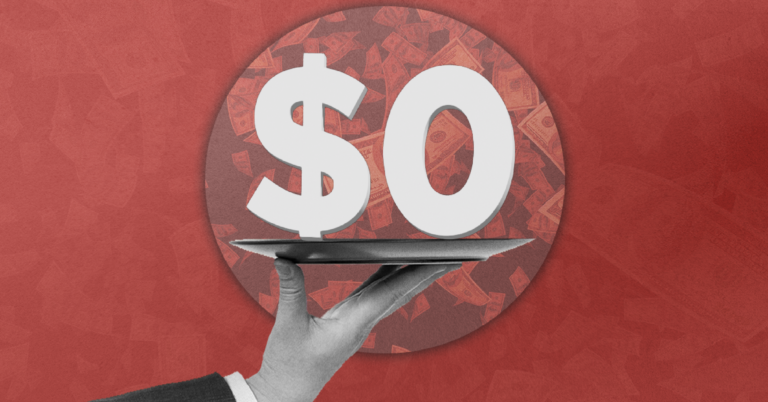
At Least 88 Profitable U.S. Corporations Paid Zero Federal Income Tax in 2025
• By Matthew Gardner, Spandan Marasini
At least 88 of the largest corporations in America paid $0 in federal income tax for 2025. Corporate tax avoidance has increased at least in part due to President Trump's “One Big Beautiful Bill Act” and the 2017 Tax Cuts and Jobs Act.

How Four Big Pro-Trump Tech Companies Avoided Taxes
• By Steve Wamhoff, Matthew Gardner
The leaders of Alphabet, Amazon, Meta, and Tesla publicly supported Trump to ensure the most favorable corporate tax policies possible. And Trump delivered for them, both in his 2017 tax bill and again in 2025 with the so-called One Big Beautiful Bill Act.
New Income Tax Disclosure Rules Mean Halliburton Can No Longer Conceal Its Offshore Tax Avoidance
• By Matthew Gardner
The company’s latest annual report throws the doors wide open once again on Halliburton’s penchant for offshoring its profits to tax havens, thanks to terrific new disclosure rules introduced by an obscure but vital agency, the Financial Accounting Standards Board (FASB).

Cheniere Energy Gets $380 Million Gift from Trump’s Treasury Department
• By Matthew Gardner
Cheniere Energy's latest annual financial report shows the company reaped a cool $380 million in tax cuts from a single regulatory change made by the Trump administration last fall.

Nvidia’s Tax Bill Shows It’s Not Just Zero-Tax Corporations That Hurt Our Budget Deficit the Most
• By Matthew Gardner
Semiconductor giant Nvidia reported avoiding $6.8 billion in federal income taxes last year. The company did this in a year when it reported greater earnings growth than almost any corporation in history, with U.S. pretax income coming in at an astonishing $123 billion.

Institute on Taxation
and Economic Policy
ITEP is a non-profit, non-partisan tax policy organization. We conduct rigorous analyses of tax and economic proposals and provide data-driven recommendations to shape equitable and sustainable tax systems.
Subscribe to ITEP Emails
Tax research and policy news in your inbox.
Promote Fair Tax Policy
Your gift to ITEP promotes tax justice. With your help, we do research that supports taxing millionaires and billionaires, taxing big corporations and raising revenue for the things our people, our communities and our planet need.
Together, we can create a country with more economic justice, more racial justice, more climate justice… and more tax justice.