
California
Analysis of Tax Provisions in the Trump Megabill as Signed into Law: National and State Level Estimates
July 7, 2025 • By Steve Wamhoff, Carl Davis, Joe Hughes, Jessica Vela

President Trump has signed into law the tax and spending “megabill” that largely favors the richest taxpayers and provides working-class Americans with relatively small tax cuts that will in many cases be more than offset by Trump's tariffs.

The endlessly debated cap on deductions for state and local taxes (SALT) has emerged in the GOP megabill largely unscathed—despite the efforts of Republican lawmakers from “blue” states. Those lawmakers are correct that the cap reduces the bill’s tax cuts for their wealthy constituents more than for those in other states. The megabill, however, is so loaded up with other provisions that result in a dramatic tax cut for the richest 1 percent in every state.

As federal aid ends and economic uncertainty grows, local governments face tough budget choices. Now is the time for localities to protect vulnerable residents and build stronger, more equitable fiscal foundations.
Trump Megabill Will Give $117 Billion in Tax Cuts to the Top 1% in 2026. How Much In Your State?
June 30, 2025 • By Michael Ettlinger

The predominant feature of the tax and spending bill working its way through Congress is a massive tax cut for the richest 1 percent — a $114 billion benefit to the wealthiest people in the country in 2026 alone.
How Much Do the Top 1% in Each State Get from the Trump Megabill?
June 30, 2025 • By Carl Davis

The Senate tax bill under debate right now would bring very large tax cuts to very high-income people. In total, the richest 1 percent would receive $114 billion in tax cuts next year alone. That would amount to nearly $61,000 for each of these affluent households.
Analysis of Tax Provisions in the House Reconciliation Bill: National and State Level Estimates
May 22, 2025 • By Carl Davis, Jessica Vela, Joe Hughes, Steve Wamhoff

The poorest fifth of Americans would receive 1 percent of the House reconciliation bill's net tax cuts in 2026 while the richest fifth of Americans would receive two-thirds of the tax cuts. The richest 5 percent alone would receive a little less than half of the net tax cuts that year.
Sacramento Bee: Child Tax Credits: California’s Winners and Losers in New GOP Congressional Plan
May 13, 2025
But there’s also a sobering feature: The parents of an estimated 910,000 California children would lose the credit because their child has at least one undocumented immigrant parent without a Social Security number, according to an analysis by several research groups including Washington’s Institute on Taxation and Economic Policy.

Want to know more about the tax and spending megabill that President Trump recently signed into law? We've got you covered.
Millions of Citizen Children Would be Harmed by Proposal Billed as Targeting Immigrant Tax Filers
April 24, 2025 • By Emma Sifre, Joe Hughes

Congressional Republicans have floated a proposal to strip the Child Tax Credit from millions of children who are U.S. citizens and legal residents in situations where their parents do not have Social Security numbers. Approximately 4.5 million citizen children with Social Security numbers would lose access to the credit under this proposal.
Trump Administration’s Decision to End Direct File is Another Gift to Big Corporations
April 16, 2025 • By ITEP Staff
Contact: Jon Whiten (jon@itep.org) According to multiple reports, the Trump administration plans to eliminate the IRS Direct File program, a free electronic system for filing tax returns directly to the agency. Statement from ITEP Executive Director Amy Hanauer “The tax preparation industry has for years lobbied to prevent the IRS from providing a tool to […]
Los Angeles Times: IRS Plan to Give Data to ICE Could Wallop California, Where Many Immigrants Pay Taxes
April 14, 2025
Also like many of her clients, she has routinely paid U.S. taxes in the past using what’s known as an individual taxpayer identification number, or ITIN, in lieu of a Social Security number. The process seemed pretty straightforward, she said, until recently, when Trump administration officials announced that IRS data would be shared with ICE agents and used to target undocumented taxpayers for the first time.
IRS Cooperation with ICE Will Damage Public Trust, Putting Tax Revenues in Jeopardy
April 10, 2025 • By Marco Guzman

Attempts by the Department of Homeland Security to secure private information from the IRS on people who file taxes with an Individual Taxpayer Identification Number is a violation of federal privacy laws that protect taxpayers. It is also a change that could seriously damage public trust in the IRS, which could jeopardize billions of dollars in tax payments by hardworking immigrant families.
Newsweek: Florida Wants to Cut Property Taxes—But California Has a Warning
April 10, 2025
As state lawmakers consider cutting and even abolishing property taxes in Florida, California—which passed major reform in the late 1970s protecting homeowners against significant hikes—offers a cautionary tale of how well-intended tax revolts can backfire against those they should benefit. Read more.
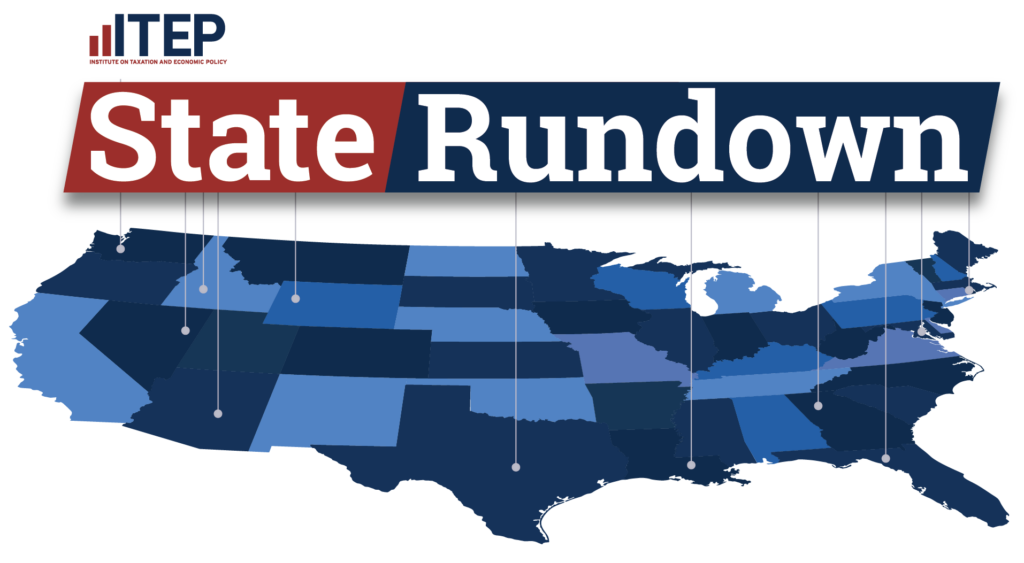
March Madness kicks off today and the pressure is on as many states’ legislative sessions are nearing the final buzzer. Some state lawmakers are seemingly competing for the title of most regressive state tax policies while others are looking to lift up best practices for more equitable outcomes. The Mississippi legislature landed on a […]
New Analysis: Congress Considering Creating an Unprecedented Tax Shelter to Steer Billions to Private K-12 School Vouchers and Wealthy Individuals
March 18, 2025 • By ITEP Staff
Contact: Jon Whiten (jon@itep.org) A bill introduced in Congress would create an unprecedented 100% tax credit for donations to nonprofits that give out private K-12 school vouchers and create a lucrative tax shelter that would further enrich some of America’s wealthiest individuals. If passed, the Educational Choice for Children Act of 2025 (ECCA) would cost […]
A Revenue Impact Analysis of the Educational Choice for Children Act of 2025
March 18, 2025 • By Carl Davis

The Educational Choice for Children Act of 2025 would provide donors to nonprofit groups that distribute private K-12 school vouchers with a dollar-for-dollar federal tax credit in exchange for their contributions. In total, the ECCA would reduce federal and state tax revenues by $10.6 billion in 2026 and by $136.3 billion over the next 10 years. Federal tax revenues would decline by $134 billion over 10 years while state revenues would decline by $2.3 billion.
High-Rent, Low-Wealth: Addressing the Racial Wealth Gap through a Federal Renter Credit
March 3, 2025 • By Brakeyshia Samms, Emma Sifre, Joe Hughes

While the federal tax code has some policies focused on raising income of low earners, it contains fewer provisions designed specifically to address wealth inequality. A renter tax credit offers a simple, administratively practical means of reaching low-wealth populations through the federal tax code without requiring a comprehensive measurement of every household’s wealth.
State Rundown 2/26: House Budget Plan Could Further Strain State Budgets
February 26, 2025 • By ITEP Staff
States would be wise to keep a close eye on happenings in Washington, D.C. Republicans in the House of Representatives recently passed their budget resolution, which could spell trouble for state budgets. The plan tees up major cuts to Medicaid, SNAP, and college tuition assistance—all likely to allow for tax cuts that will overwhelmingly benefit the wealthy. If approved, trillions of dollars would be cut from programs supported by federal dollars and states and localities could bear the brunt of those shifting costs. Many states are already facing delicate fiscal outlooks and those considering cutting taxes further should seriously reconsider.…
Learn from Prop 13 History to Avoid Repeating Past Mistakes
February 26, 2025 • By Rita Jefferson

Worries about housing costs and property tax bills are leading people to check the history books for solutions, but there’s a danger that they’ll repeat past mistakes. If anti-tax lawmakers carelessly weaken property taxes as they did in the 1970s, as they did with California’s Proposition 13, they will undercut public finances, making municipalities, school districts, and other special districts worse off.
Revenue Effect of Mandatory Worldwide Combined Reporting by State
February 21, 2025 • By ITEP Staff
Universal adoption of mandatory worldwide combined reporting (WWCR) in states with corporate income taxes would boost state tax revenue by $18.7 billion per year. The revenue effects of mandatory WWCR would vary across states. We estimate that 38 states and the District of Columbia would experience revenue increases totaling $19.1 billion. The top 10 states […]
State Rundown 2/20: Tools to Address Corporate Tax Avoidance and Property Tax Affordability
February 20, 2025 • By ITEP Staff
A new ITEP report finds that states could raise $19 billion a year with one policy change targeting corporate tax avoidance. That policy, worldwide combined reporting, strengthens state corporate taxation by giving states a full view of multinational corporate profits, essentially eliminating the tax savings that companies currently see by pretending their profits were earned in Switzerland, the Cayman Islands, and other international tax havens.
States Could Raise $19 Billion a Year with One Policy Change Targeting Corporate Tax Avoidance
February 20, 2025 • By ITEP Staff

Worldwide combined reporting negates the tax benefits of shifting corporate income offshore Public polling has consistently shown for decades that most people believe big multinational corporations are paying too little in taxes. Closing the loopholes these corporations use to avoid taxes is one of the most effective – and popular – solutions to this problem. […]
A Revenue Analysis of Worldwide Combined Reporting in the States
February 20, 2025 • By Carl Davis, Matthew Gardner, Michael Mazerov

Universal adoption of mandatory worldwide combined reporting would boost state corporate income tax revenues by roughly 14 percent. Thirty-eight states and the District of Columbia would experience revenue increases totaling $19.1 billion.
Turning IRS Agents to Deportation Will Reduce Public Revenues
February 11, 2025 • By Carl Davis, Jon Whiten
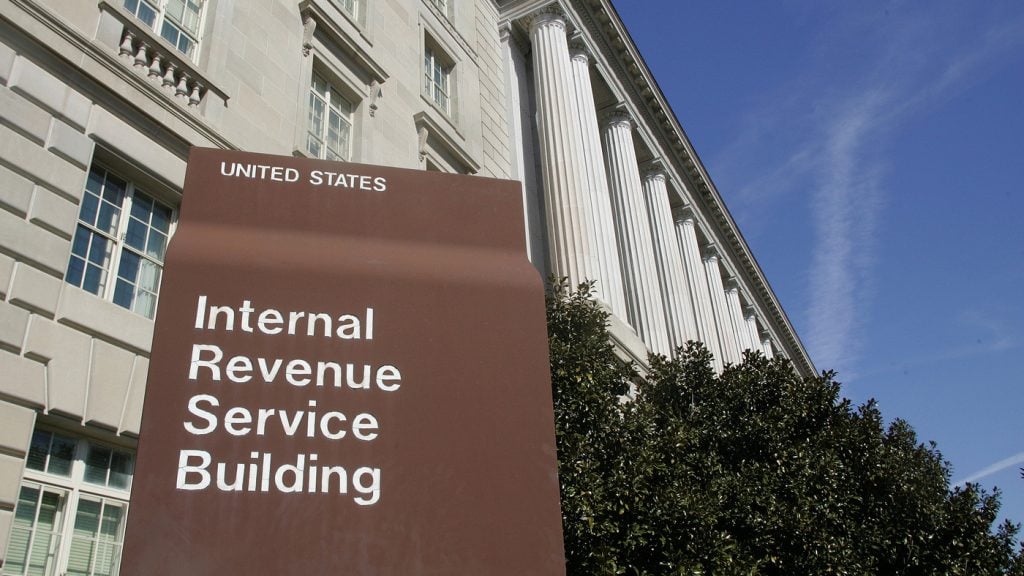
The Trump Administration’s plan to turn IRS agents into deportation agents will result in lower tax collections in addition to the harm done to the families and communities directly affected by deportations.

Local income taxes can be an important progressive revenue raiser, as they ask more of higher-income households and are connected to ability to pay. They can raise substantial revenue to fund key public services to make cities and regions better off.
