
Income Taxes
State Rundown 4/23: While Some States Stop Digging, Others Move Full Steam Ahead with Anti-Affordability Agendas
• By ITEP Staff
Missouri lawmakers passed legislation that will have residents vote on a proposal at the ballot box. The ask: for them to pay more in sales taxes to offset cuts – and the possible elimination – of the state's individual income tax, which makes up nearly two-thirds of Missouri’s general fund.

While States Debate New Trump Tax Changes, Equity Must Be at the Core
• By Brakeyshia Samms
States continue to debate whether and how to link their state tax codes to the 2025 federal tax law. This is not just a technical debate.
State Rundown 4/16: Tax Day, a New Millionaires’ Tax and Late Blooming State Tax Action
• By ITEP Staff
Yesterday was Tax Day, and with many state legislative sessions wrapping, some tax changes are gearing up or crossing over the finish line.
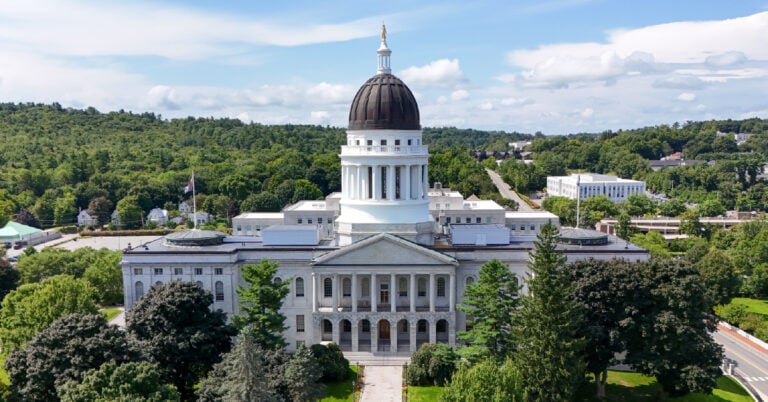
Maine Passes Millionaires’ Tax and Pushes Back on Federal Changes
• By Marco Guzman
Maine Gov. Janet Mills on Friday put her seal of approval on a supplemental budget bill that includes a “millionaires’ tax.”

North Carolina, Pushing Tax Cuts on Three Fronts, Risks a Repeat of Kansas Debacle
• By Carl Davis
Tax cuts are looming large on the horizon in North Carolina. So large, in fact, that even some traditionally anti-tax voices are starting to get nervous.
State Rundown 4/8: Budget and Tax Packages Take Shape as Sine Die Approaches in Many States
• By ITEP Staff
State legislative sessions are wrapping up, and final tax and budget packages are making their way to governors’ desks.
State Rundown 4/1: No Fooling Around Anymore in Washington, But Cruel Pranks in South Carolina
• By ITEP Staff
In Washington, Gov. Bob Ferguson and lawmakers decided to stop fooling around with one of the nation’s most upside-down tax codes and finally brought to life a new millionaires’ tax, the first new income tax created in a state since 1991.
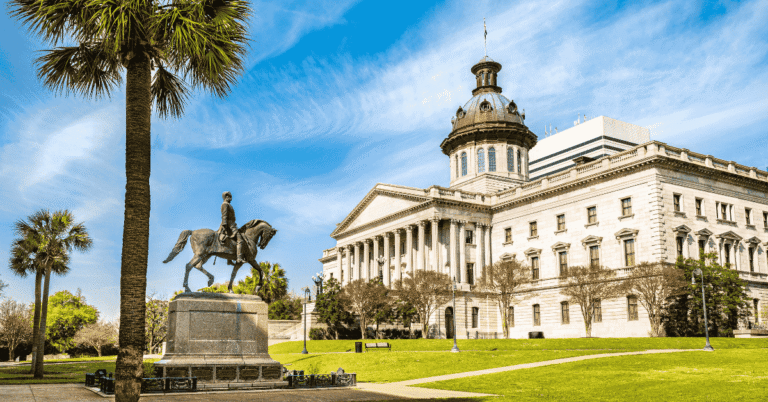
South Carolina’s Expensive, Regressive Tax Law Will Eliminate State’s Income Tax
• By Neva Butkus, Dylan Grundman O'Neill
South Carolina signed into law a regressive tax cut that will disproportionately benefit the state’s highest-income residents while simultaneously jeopardizing the state’s ability to pay for basic public services in the years to come.
State Rundown 3/26: Sobering Revenue Projections Keep States on Their Toes
• By ITEP Staff
This week, troubling revenue projections are making headlines, with many lawmakers scrambling to determine how the tax changes at the federal level, plus price hikes driven by national policy decisions, will impact their states.

How to Make the Rich and Corporations Pay for This Unpopular War
• By Michael Ettlinger
The war is widely unpopular. Whether the cost of the war ends up being $200 billion, more than that amount, or less, let’s at least have it paid for by those who can most afford it.

States Like Missouri Are Seeking to Raise Taxes on the Working Class to Cut Taxes for the Rich
• By Eli Byerly-Duke
A proposal to replace the Missouri personal income tax with a higher sales tax would increase costs for low- and middle-income households while giving the richest Missourians an average annual tax cut of almost $40,000.
State Rundown 3/18: New Mexico Enacts Most Significant Corporate Tax Reform of the Year
• By ITEP Staff
As states lawmakers continue to weigh their linkages to the federal tax code in light of the recent federal tax law, New Mexico provides a blueprint for limiting multinational corporate tax avoidance.
State Rundown 3/12: Washington Lawmakers Pass Millionaires’ Tax, Expand Working Families Tax Credit
• By ITEP Staff
Washington is on its way to making history after the legislature approved the “millionaires’ tax,” a 9.9 percent tax on income over $1 million. The bill, which is expected to raise more than $3 billion a year, making significant investments in public education and childcare, will also expand the Working Families Tax Credit – the […]

Analysis of Sen. Chris Van Hollen’s Approach to Tax Policy
• By Steve Wamhoff
Sen. Chris Van Hollen has recently introduced the Working Americans’ Tax Cut Act, which offers a generous middle-class tax cut paid for with a new tax on millionaires.
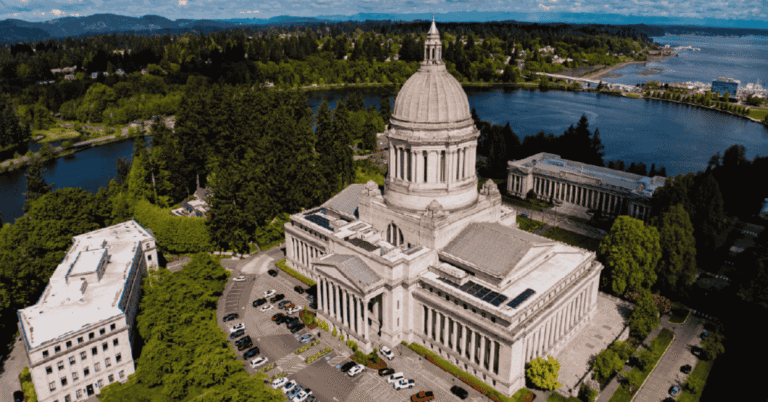
Washington Millionaires’ Tax, Expanded Working Families Tax Credit Make Tax Code Fairer
• By Marco Guzman, Dylan Grundman O'Neill
The Washington legislature has approved a new "millionaires' tax," a 9.9 percent tax on income over $1 million. The bill, which makes significant investments in public education and child care, will also expand the Working Families Tax Credit – the state’s EITC – to reach an additional 460,000 households.
State Rundown 3/4: Budget Realities Set In
• By ITEP Staff
As many state legislative sessions near or cross the halfway point, lawmakers are facing tough choices.
State Rundown 2/25: Sausage-Making Season Is Upon Us
• By ITEP Staff
National Sausage Month isn’t until October, but now is the time of year when state lawmakers are really diving into their sausage-making processes, as separate legislative houses and oftentimes political parties send competing bills, budgets, and visions back and forth to grind out their differences.
State Rundown 2/19: Necktie (NCTI) Offers a Way Out of a Knotty Situation
• By ITEP Staff
State lawmakers are grappling with a range of challenges as their fiscal outlooks deteriorate, federal tax enforcement wanes (after the Trump administration cut the IRS workforce by 25 percent), and a rewritten federal tax code sends states scrambling to decide what changes they might want to make in their own codes.
State Rundown 2/11: This Valentine’s Day, Conscious Decoupling Is Our Love Language
• By ITEP Staff
While some may be excited for a romantic Valentine’s Day this weekend, many state lawmakers are breaking up and decoupling from recent federal tax changes that are poised to leave states with revenue shortfalls – much like a bad date who forgets their wallet and asks you to pick up the tab.

What Did 2025 State Tax Changes Mean for Racial and Economic Equity?
• By Brakeyshia Samms
The results are a mixed bag, with some states enacting promising policies that will improve tax equity and others going in the opposite direction.

Four Big Tech Companies Avoid $51 Billion in Taxes in Wake of One Big Beautiful Bill Act
• By Matthew Gardner
Four of the corporations whose CEOs flanked President Trump at his 2025 inauguration ceremony have now disclosed that they collectively received $51 billion in federal tax breaks in 2025, much of that likely from the One Big Beautiful Bill Act (OBBBA).
State Rundown 2/5: Icy Roads Do Not Slow Tax Policy Debates
• By ITEP Staff
Despite wintry conditions across much of the country, that hasn’t stopped state lawmakers from debating major tax policy changes.

Meta’s Federal Tax Rate Hits an All-Time Low Due to Breaks Expanded by Trump Tax Law
• By Matthew Gardner
The company paid an effective federal income tax rate of just over 3.5% in 2025, the lowest it has recorded since the company went public as Facebook in 2012.

An Anti-Affordability Agenda: Trump’s Advisors Call on States to Raise Taxes on the Working Class and Drastically Cut Taxes for the Rich
• By Carl Davis
The Trump administration’s Council of Economic Advisors suggests that states consider drastically raising sales taxes and using those new revenues to pay for repealing taxes on corporate and personal income. Working-class families would face dramatic tax increases while the nation’s wealthiest families would see their state tax bills plummet.
State Rundown 1/28: State Tax Cutting Plans Face Scrutiny
• By ITEP Staff
As state legislative sessions ramp up across the country, property taxes are one of many issues dominating tax policy conversations in statehouses.
