New York City is waiting for the statehouse to approve a second home tax. The tax, referred to locally as a pied-à-terre tax, would affect residential properties worth more than $5 million not occupied by a full-time resident. An estimated $500 million in revenue the first year, along with aid from the state and a potential change to the city’s unincorporated business tax, will close budget gaps and protect public services in the city.
Second home taxes make a lot of sense for communities struggling with housing costs for full-time residents. They can raise real revenues too, which can be used to support further affordable housing development. New York’s proposed tax, which falls entirely on second homes worth more than $5 million, is also exceedingly well targeted to extremely wealthy individuals.
The real estate industry is predictably warning this will destroy the city’s property market, reduce the city’s property tax rolls, and drive wealthy people to ruin. Banker Jamie Dimon attacked Mayor Zohran Mamdani, saying the mayor’s actions were threatening the city’s image as a business hub. Noted city-quitter Ken Griffin told the Financial Times that the tax “trigger[ed] the trauma I went through in Chicago.” If I didn’t know better, I’d assume Ken Griffin was on the verge of financial ruin from owning too much real estate he couldn’t afford.
The tempest raised by these wealthy individuals might suggest that New York City is doing something novel here. New York City has been considering adopting a pied-à-terre tax since at least 2021. And Montana adopted a second-home tax last year, which will relieve pressures on full-time homeowners and renters. Montana’s legislature created a new tax rate for all homes not used as permanent residences. The state acted after a wave of out-of-state second-home purchasers drove up housing prices and property taxes for full-time Montanans. Estimates from the statehouse last year indicated the average owner-occupant’s property taxes would decrease 18 percent over the first two years.
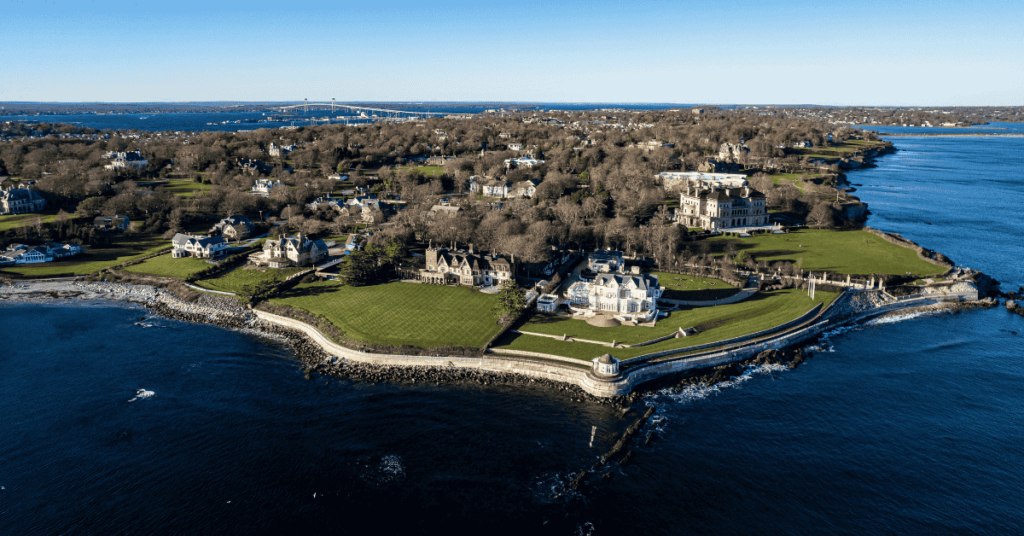
The Montana tax, much like the NYC tax, Rhode Island’s “Taylor Swift tax,” new property tax rates on second homes in Hawai’i County, and the District of Columbia’s higher property tax rate on mansions, recognizes that our housing markets are increasingly challenging for non-wealthy Americans to navigate.
Low- and middle-income families suffer the most harm from rising housing and other costs. IRS data indicates that these families comprise many interstate movers, and they are often relocating in search of cheaper housing. Gen Z and Millennials are dealing with challenging job prospects, rising rents, and piles of student loan debt, a dynamic that is worsened by the extremely high cost of living in New York City.
The Atlanta Fed’s Home Ownership Affordability Monitor finds that nationwide, homes are just as unaffordable now as they were in 2006 when the housing bubble was at its peak. The average household approved for a mortgage has income twice the national median. In both New York City and Bozeman, Montana, median home prices are seven times higher than median incomes. And every unit owned by a wealthy family who uses their house occasionally is a unit not available for a family who lives in that place year-round.
Second-home taxes are a reasonable option to fight the challenges presented by partly vacant units. Second homes, particularly very valuable ones, drive up property values, make housing more expensive, and contribute to the commodification of housing as an asset rather than as a human need.
And if they don’t want to pay the tax, they don’t have to own a second home they don’t really use. Vacancy taxes can generate revenues, but they’re also a behavioral nudge. Those ultra-wealthy could certainly rent their units out to full-time tenants or sell them. I’m sure hotels in New York would appreciate their business.