
Rhode Island
New State Taxes on the Wealthy Raise Revenue and Rebalance Tax Codes, Advancing Racial Justice
October 6, 2026 • By Brakeyshia Samms
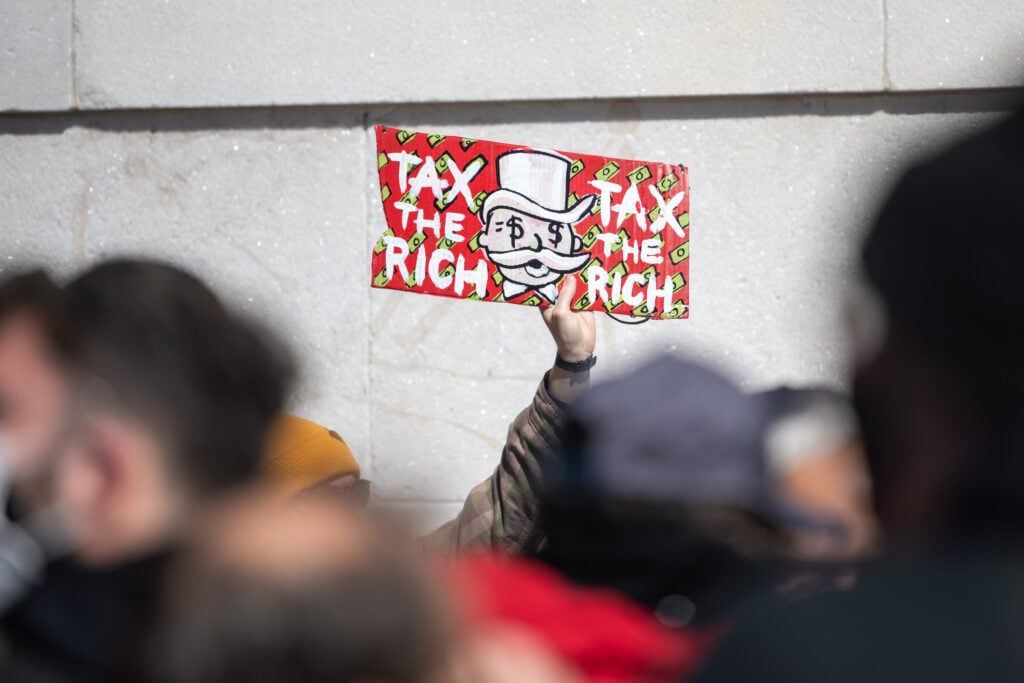
Taxing the rich is proven fiscal policy – it raises revenue for vital public services and makes tax codes fairer. But a part of the debate that rarely gets enough attention: taxing the rich is also one of the most effective tools available for advancing racial equity.
State Child Tax Credits Will Boost Financial Security for Families and Children in 2027
September 15, 2026 • By Neva Butkus

Sixteen states provide Child Tax Credits to reduce poverty, boost economic security, and invest in children. State lawmakers have several options to maximize the impact of Child Tax Credits.
2026 Sessions in Review: States Fund Tax Credits by Preserving, Raising Revenue
July 2, 2026 • By Aidan Davis

In a year of cautious uncertainty around current and ongoing revenues, many state lawmakers strengthened their tax credits for families and children.
Below is a list of tax expenditure reports published in the states.
2026 Sessions in Review: States Move to Tax the Rich and Corporations
June 29, 2026 • By Aidan Davis
This year several states raised income tax rates on high-income people to fund crucial services and make progress toward remedying the regressive tilt of their tax codes.
It's the first official week of summer, and while many of us are planning vacations, state lawmakers remain busy finalizing and debating tax proposals.
Rhode Island Budget Bets on Tax Fairness with Millionaires’ Tax and New Child Tax Credit
June 12, 2026 • By Miles Trinidad
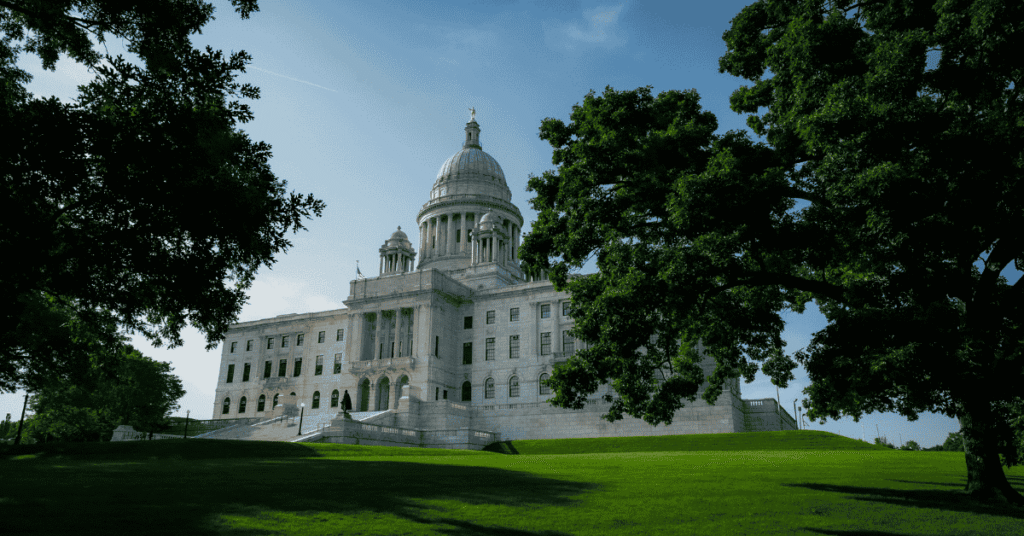
The spending plan, signed into law by Gov. Dan McKee today, features a new millionaires’ tax, the state’s first permanent child tax credit, expanded eligibility for its Social Security exemption , and strategic decoupling from federal business tax provisions.
As we head into summer, many state legislatures are in the final stretches of their sessions. Rhode Island moved another step closer to joining the ranks of Washington, Maine, and Hawai’i in enacting a new high-income surcharge this year.

We estimate that by 2032, QSBS will be costing states $1.1 billion a year, and since states must balance their budgets, that’s money they can’t use for public services.

Institute on Taxation
and Economic Policy
ITEP is a non-profit, non-partisan tax policy organization. We conduct rigorous analyses of tax and economic proposals and provide data-driven recommendations to shape equitable and sustainable tax systems.
Subscribe to ITEP Emails
Tax research and policy news in your inbox.
Promote Fair Tax Policy
Your gift to ITEP promotes tax justice. With your help, we do research that supports taxing millionaires and billionaires, taxing big corporations and raising revenue for the things our people, our communities and our planet need.
Together, we can create a country with more economic justice, more racial justice, more climate justice… and more tax justice.