
OBBBA
ITEP analysis of the One Big Beautiful Bill Act, also known as OBBBA, OBBA or the Trump tax law. This archive collects research, commentary and data on how the 2025 federal tax and spending law affects working families, low-income households, wealthy taxpayers, corporations, state revenues, Medicaid, SNAP, the Child Tax Credit, the SALT deduction, clean energy tax credits and the federal budget.
Follow ITEP’s latest analysis of who benefits from OBBBA, who pays, and how the law reshapes the tax code. Articles in this archive examine the law’s distributional impact, its effects on inequality and public services, and the choices facing state lawmakers as federal tax changes flow through state tax systems.
The move was expected, given heavy lobbying from tax prep companies like Intuit and H&R Block to put a halt to the IRS’s popular Direct File program.
Biden Tax Reforms Take a $16 Billion Bite Out of Trump’s Big Tax Giveaway to Meta
October 30, 2025 • By Matthew Gardner

Meta’s earnings setback is entirely attributable to an important tax reform championed by the Biden administration in 2022.
Why States Shouldn’t Go Along With OBBBA’s Corporate Tax Breaks: A Practical Guide
October 27, 2025 • By Nick Johnson, Michael Mazerov

States should immediately decouple from four costly corporate tax provisions in the new federal tax law.
Well, That Was Fast: Trump Tax Law’s New Corporate Breaks are Already Worsening the Deficit
October 9, 2025 • By ITEP Staff

Corporate income taxes for the fiscal year that ended in September are $77 billion lower than in the previous year, a 15 percent drop.
Many lawmakers who were vocal supporters of this bill will see direct personal benefits while most of their constituents benefit little or will be worse off.
Trump Tax Law Erases Economic, Racial Progress in the Tax Code
October 6, 2025 • By Brakeyshia Samms
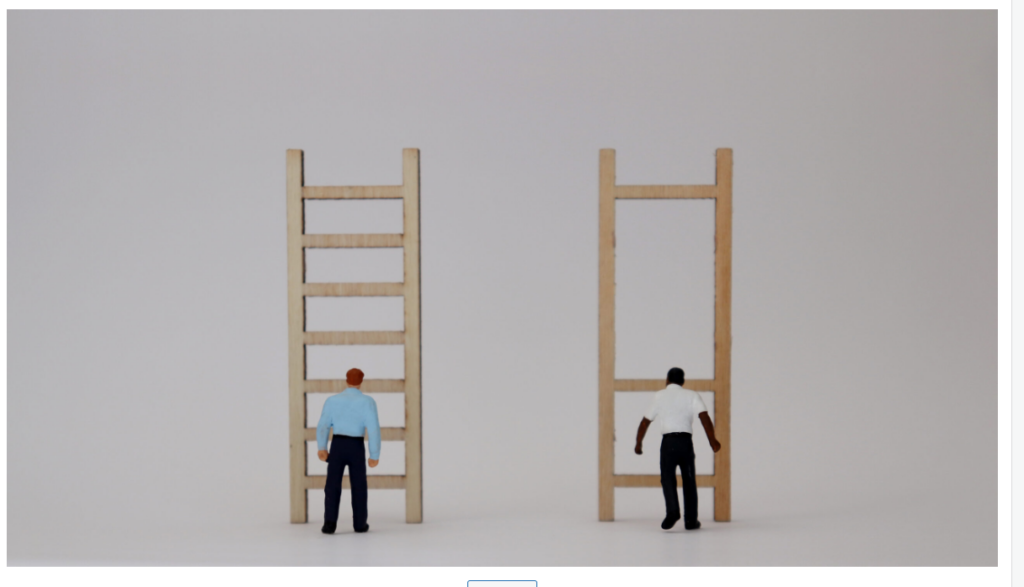
President Trump’s massive tax-and-spending bill continues the administration’s assault on racial and economic justice by prioritizing tax breaks for the top 1% while neglecting the economic well-being of poor and working families of all races, especially people of color.
Quite Some BS: Expanded ‘QSBS’ Giveaway in Trump Tax Law Threatens State Revenues and Enriches the Wealthy
October 2, 2025 • By Sarah Austin, Nick Johnson
States should decouple from the federal Qualified Small Business Stock (QSBS) exemption.
Leaving Billions on the Table: Trump-Induced Brain Drain Leaves the IRS Struggling to Prevent Corporate Tax Avoidance
September 25, 2025 • By Matthew Gardner

The IRS's capacity to prevent big multinational corporations from avoiding income taxes is facing a generational crisis.
Who Can Make a Billion Dollar Mistake and Not Lose Their Jobs? Congress
September 5, 2025 • By Matthew Gardner

A drafting error in the 2017 tax law will cost U.S. taxpayers over $1 billion in unintended tax cuts for big multinationals.
The Trump Megabill Hands the Rich a Gift — and Sends the Bill to Young Americans
August 21, 2025 • By Angie Sumo

Trump's megabill directs most benefits to the wealthy, while leaving younger generations with higher taxes, more debt, and fewer opportunities. For Millennials and Gen Z, it means reduced public investment and an economy less likely to work in their favor.
How Will the Trump Megabill Change Americans’ Taxes in 2026?
July 22, 2025 • By Steve Wamhoff, Michael Ettlinger, Carl Davis, Jon Whiten

The megabill will raise taxes on the poorest 40 percent of Americans, barely cut them for the middle 20 percent, and cut them tremendously for the wealthiest Americans next year.
Nobody should be too excited and think this means our country is headed toward lower deficits - especially when the administration recently signed one of the most expensive budget reconciliation bills in history.

This country’s biggest historical challenge has been delivering this progress to all Americans, but Republicans have cut it back for everyone, retreating from many 20th century achievements in ways that will slam doors, rather than opening them, for the next generation.
10 Crazy Comparisons Showing How Much Trump and Congress Just Cut Taxes for the Rich
July 10, 2025 • By ITEP Staff

$117 billion is a big number, so we thought it could use a little context.
There Were Far Cheaper and Fairer Options Than the Trump Megabill
July 8, 2025 • By Steve Wamhoff, Joe Hughes, Jessica Vela

Congress and the president could have spent less than half that much money on a tax bill that does more for working-class and middle-class households.
Analysis of Tax Provisions in the Trump Megabill as Signed into Law: National and State Level Estimates
July 7, 2025 • By Steve Wamhoff, Carl Davis, Joe Hughes, Jessica Vela
President Trump has signed into law the tax and spending “megabill” that largely favors the richest taxpayers and provides working-class Americans with relatively small tax cuts that will in many cases be more than offset by Trump's tariffs.
Top 1% to Receive $1 Trillion Tax Cut from Trump Megabill Over the Next Decade
July 3, 2025 • By Carl Davis
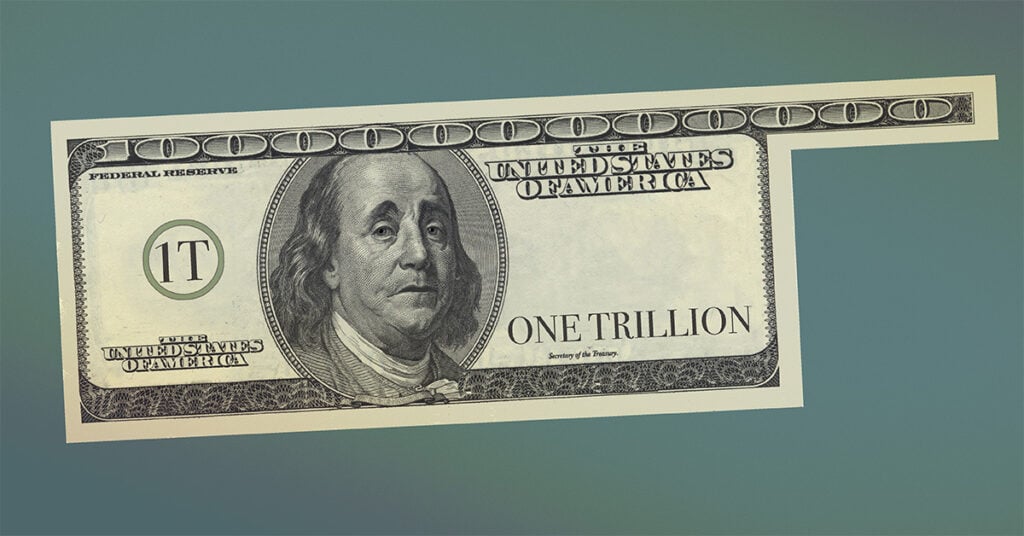
The Trump megabill will give the top 1 percent tax cuts totaling $1.02 trillion over the next decade. For comparison, the bill’s cuts to the Medicaid health care program will total $930 billion over the same period.
Megabill Takes Cap Off Unprecedented Private School Voucher Tax Credit, Potentially Raising Cost by Tens of Billions Relative to Earlier Version
July 2, 2025 • By Carl Davis

It is clear that this tax credit has the potential to come with an enormous cost if private school groups are successful in convincing their supporters to participate. In these times of very high debt and deficits, this is reason for all of us to be uneasy.

As federal aid ends and economic uncertainty grows, local governments face tough budget choices. Now is the time for localities to protect vulnerable residents and build stronger, more equitable fiscal foundations.
Trump Megabill Will Give $117 Billion in Tax Cuts to the Top 1% in 2026. How Much In Your State?
June 30, 2025 • By Michael Ettlinger

The predominant feature of the tax and spending bill working its way through Congress is a massive tax cut for the richest 1 percent — a $114 billion benefit to the wealthiest people in the country in 2026 alone.
How Much Do the Top 1% in Each State Get from the Trump Megabill?
June 30, 2025 • By Carl Davis

The Senate tax bill under debate right now would bring very large tax cuts to very high-income people. In total, the richest 1 percent would receive $114 billion in tax cuts next year alone. That would amount to nearly $61,000 for each of these affluent households.
Analysis of Tax Provisions in the Senate Reconciliation Bill: National and State Level Estimates
June 25, 2025 • By Carl Davis, Jessica Vela, Joe Hughes, Steve Wamhoff
Compared to its House counterpart, the Senate bill makes certain tax provisions more generous, including corporate tax breaks that it makes permanent rather than temporary. But the bottom line for both is the same. Both bills give more tax cuts to the richest 1 percent than to the entire bottom 60 percent of Americans, and both bills particularly favor high-income people living in more conservative states.
Senate Republicans Rig the Rules to Make Their Tax Bill Look Responsible. It’s Not.
June 24, 2025 • By Jon Whiten, Steve Wamhoff
No matter how much Senate leadership bends the rules to make their tax cuts look better on paper, the cost and impact on the deficit remains the same under a current policy baseline. It’s a move meant to mask the true cost and push a reckless bill through.
CNBC: How Senate GOP ‘No Tax on Tips’ Proposal Differs From House Republican Plan
June 18, 2025
However, the Senate proposal is different from the House version in two key ways, Matt Gardner, senior fellow at the Institute on Taxation and Economic Policy, wrote in an e-mail. Read more.
Trump Megabill’s Deduction for Car Loan Interest Would Not Offset Tariff-Related Auto Price Increases for Most Buyers
June 12, 2025 • By Carl Davis, Sarah Austin

The auto loan interest deduction that recently passed the House is designed, at least in part, to mitigate the impact of tariff-induced price increases on vehicles assembled in America. But the deduction is incapable of offsetting even small-scale price increases, especially for working-class families and others with moderate incomes.
