At the end of 2025, the richest 1 percent of households owned 32 percent of all wealth in the U.S. Meanwhile, the bottom 50 percent of households held just 2.5 percent of total wealth. With wealth inequality continuing to explode, it’s no surprise that momentum for taxing the rich surged across the country in 2026.
Last year, the Trump administration and Republicans in Congress approved tax cuts that mostly rewarded the wealthy and forced federal spending cuts that slashed revenue sharing with the states. Now states face tough decisions about raising revenue or making severe spending cuts of their own. Lawmakers are logically looking at those most able to pay among their solutions.
They could start by following the success of Massachusetts. The state’s millionaires’ tax has already generated more than $3.1 billion in revenue this fiscal year, exceeding expectations, with two months still to be counted. Since voters in 2022 approved the 4 percent surcharge on income over $1 million, Massachusetts has brought in billions each year to fund education, infrastructure, and transportation .
From surcharges on the income of high-earners to higher taxes on second homes, here are recent steps states have taken to tax the rich.
Taxes on High-Earners
Earlier this year, Washington Gov. Bob Ferguson signed a new millionaires’ tax into law. The measure creates a 9.9 percent tax on income over $1 million.
The new tax is projected to raise more than $3 billion in 2029 — and annually thereafter — after it goes into effect in 2028. This revenue will help fund education and childcare.
The richest 1 percent in Washington currently pay the lowest effective tax rates of any income group in the state. The millionaires’ tax marks important progress toward making the state’s tax system more equitable.
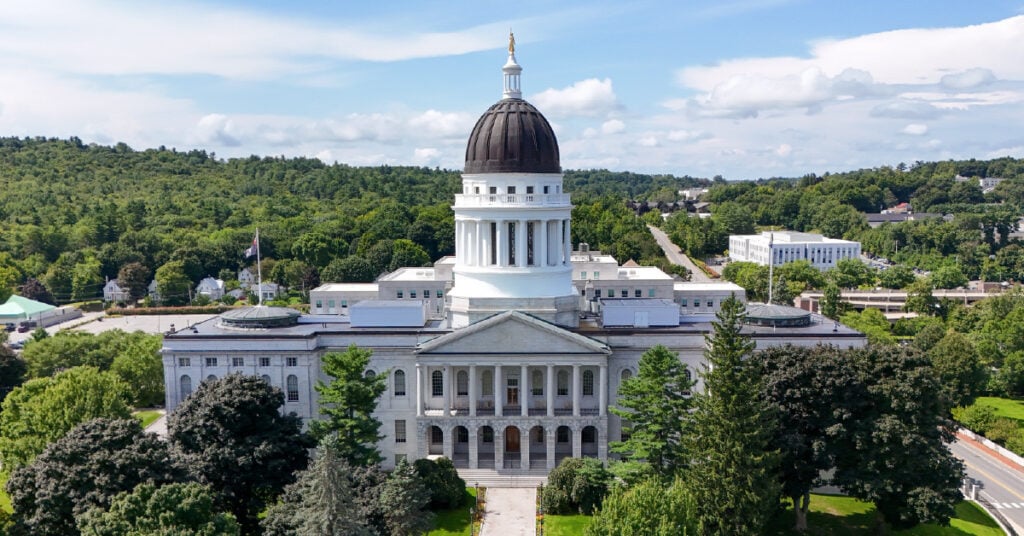
In April, Maine Gov. Janet Mills approved a 2-percentage point surcharge on income over $1 million. The richest 5 percent of households currently pay lower tax rates than working-class Mainers. Maine’s new millionaires’ tax will tackle this while raising nearly $100 million in new revenue in fiscal year 2027.
And this month, Hawaiʻi Gov. Josh Green signed Senate Bill 3125, which adds a new income tax bracket for joint filers with incomes over $1 million and single filers with income over $500,000. This group will pay a 13 percent rate on income over those amounts, up from the previous 11 percent top rate. The bill passed unanimously in the Senate with approval from both Democrats and Republicans.
Higher Taxes on Wealthy Homeowners
Mayor Zohran Mamdani and Gov. Kathy Hochul proposed a yearly surcharge on New York City properties worth $5 million or more when owners have a separate primary residence outside of the city. Mayor Mamdani included this second home tax – also referred to as a pied-à-terre tax – in NYC’s Fiscal Year 2027 budget.
The governor’s office projects the tax would apply to 13,000 residences and generate $500 million in annual revenue. If enacted, it will apply to some of the most expensive residences in the country.
Taxes on wealthy homeowners continue to grow in popularity. Maine, Montana, New Jersey, Rhode Island, and Washington, D.C., all took steps in recent years to raise revenue from high-income homeowners.
Measures these states have adopted include property tax increases on homes valued at $1 million or more, new or higher taxes on vacation or second homes, and higher rates on home sales valued in the millions.
Other Pushes to Tax the Rich in 2026
Proposals to tax the wealthy appeared during legislative sessions in several other states as well.
Those still up for discussion include:
- California. At the ballot, voters may have the chance to renew the state’s top income tax rates and vote on a proposed ballot measure to levy a one-time 5 percent tax on individuals with more than $1 billion in wealth.
- Colorado. A coalition is gathering signatures to place before voters a ballot measure that would raise taxes on the wealthy. The measure would allow for graduated rates and brackets to raise taxes on individuals and corporations making more than $500,000 per year.
- Rhode Island. Gov. Dan McKee’s proposed budget included a new 3 percentage point surcharge on millionaires, which is estimated to raise about $135 million a year. Other lawmakers and state advocates are making the case for a higher tax on the top 1 percent.
- Vermont. Lawmakers are debating a high-earner surcharge, which would raise taxes on the richest 1 percent with a new top tax rate of 13.3 percent, added above the current highest rate of 8.75 percent. Lawmakers are also weighing a wealth proceeds tax on investment income.
The Myth of Tax Migration
Anti-tax advocates and some wealthier taxpayers continue to voice their opposition to taxes on the rich. They often turn to misleading arguments about so-called “tax flight,” cautioning states that the wealthy will leave en masse if new taxes on the rich are installed.
The evidence suggests otherwise.
A recent analysis from the Center on Budget and Policy Priorities explains that most claims about interstate tax migration are grossly exaggerated.
“Tax-induced migration is not a common reason to move, regardless of income … In a landmark study released last year, two leading researchers on tax flight concluded that ‘the rich in high-tax states do not move any more often than those in low-tax states.’”
That also holds true for New York, a state that anti-tax advocates perpetually lift up for the threat of mass migration due to higher taxes. A recent study found that there has been no statistically significant evidence of tax migration out of New York in recent years.
“While New York lost 2,400 millionaire households over the past three years (2020- 2022), New York gained 17,500 millionaire households in the same period due to a strong economy and rising wages … The top 1% of New Yorkers — those earning over $815,000 — move out of New York State at one-quarter the rate of the rest of the population during typical, non- Covid years.”
Speculative fears of millionaire migration should not drive policy decisions. Ensuring the wealthiest households don’t pay lower tax rates than teachers, construction workers, or nurses in your state is common sense. As we’ve seen from the progress in 2026, lawmakers have solutions at their disposal to raise significant revenue from those most able to pay more.