
New York
New York Times: How Trump’s Radical Tariff Plan Could Wreck Our Economy
October 18, 2024
As a result, tariffs would raise the cost of living more for middle- and lower-income families than the average. An estimate by the Institute on Taxation and Economic Policy, which assumes a 20 percent tariff, finds that it would reduce the real income of families in the bottom fifth of earners by 5.7 percent, of middle-income families by 4.6 percent, but of the top 1 percent by only 1.4 percent. An analysis by the Peterson Institute for International Economics arrives at similar numbers. In other words, Trump’s 2.0 tariffs would in effect be a strongly regressive tax increase, imposing a…
2024 Local Tax Ballot Measures: Voters in Dozens of Communities Will Shape Local Policy
October 17, 2024 • By Rita Jefferson
Next month, voters across the country will weigh in on many local ballot measures that will have a profound effect on the adequacy of our local tax systems and whether cities and communities can fund public needs. These are in addition to statewide ballot questions, many of which have local implications this year.
New York Times: Trump and Harris Both Like a Child Tax Credit, but With Different Aims
October 16, 2024
Vice President Kamala Harris has made an expanded child tax credit central to her campaign, and former President Donald J. Trump boasts, “I doubled the child tax credit.” With a quick look, voters might think the child-rearing subsidy the rare matter on which the rival candidates agree.
State Rundown 10/10: More Special Sessions, More Proposed Tax Cuts
October 10, 2024 • By ITEP Staff
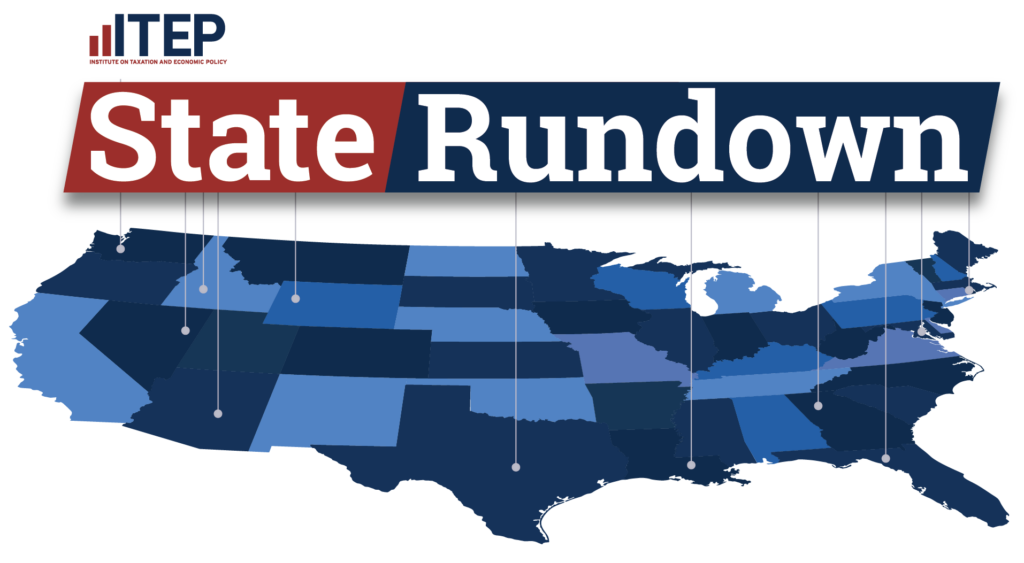
This week several states are getting an early start at writing new tax policy in special sessions. In West Virginia, the legislature has come to an agreement with Gov. Justice on an additional tax cut—on top of already-planned cuts. The 2 percent cut will cost the state $49 million a year and come from spending […]
New York Times: Trump’s Plans Could Increase U.S. Debt While Raising Costs for Most Americans
October 7, 2024
Former President Donald J. Trump’s economic proposals could inflame the nation’s debt burden while ultimately raising costs for a vast majority of Americans, according to a pair of new economic analyses that are among the most in-depth studies to date of the Republican nominee’s plans. Read more.
Extending Temporary Provisions of the 2017 Trump Tax Law: Updated National and State-by-State Estimates
September 13, 2024 • By Steve Wamhoff

The TCJA Permanency Act would make permanent the provisions of the Tax Cuts and Jobs Act of 2017 that are set to expire at the end of 2025. The legislation would disproportionately benefit the richest Americans. Below are graphics for each state that show the effects of making TCJA permanent across income groups. See ITEP’s […]
State Earned Income Tax Credits Support Families and Workers in 2024
September 12, 2024 • By Neva Butkus
Nearly two-thirds of states (31 plus the District of Columbia and Puerto Rico) have an Earned Income Tax Credit. These credits boost low-paid workers’ incomes and offset some of the taxes they pay, helping lower-income families achieve greater economic security.
State Child Tax Credits Boosted Financial Security for Families and Children in 2024
September 12, 2024 • By Neva Butkus
Fifteen states plus the District of Columbia provide Child Tax Credits to reduce poverty, boost economic security, and invest in children. This year alone, lawmakers in three states – Colorado, New York, and Utah – expanded their Child Tax Credits while lawmakers in the District of Columbia created a new credit that will take effect in 2025.
The IRS has opened its free tax filing service called Direct File to every state for the 2025 tax filing season. Direct File was made possible by President Biden’s Inflation Reduction Act, which provided new resources for the IRS to improve customer service and ensure taxpayers claim the benefits and deductions for which they are […]

Many cities, counties, and townships across the country are in a difficult, or at least unstable, budgetary position. Localities are responding to these financial pressures in a variety of ways with some charging ahead with enacting innovative reforms like short-term rental and vacancy taxes, and others setting up local tax commissions to study the problem.
State Rundown 8/8: States Laying the Groundwork for Future Tax Battles
August 8, 2024 • By ITEP Staff
Whether they’re in a special session, gearing up for one, or prepping for 2025, states around the country are focusing on important tax fights...
New York Times: A Walzonomics Primer
August 7, 2024
It’s been nearly 24 hours since Kamala Harris announced Gov. Tim Walz of Minnesota as her running mate, catapulting him into the national spotlight. Unlike other candidates for the position, including Gov. Josh Shapiro of Pennsylvania and Senator Mark Kelly of Arizona, the Midwestern politician hasn’t been closely scrutinized — until now. Here’s where he stands on some key business issues.
Sales Tax Holidays Miss the Mark When it Comes to Effective Sales Tax Reform
August 6, 2024 • By Marco Guzman

Nineteen states have sales tax holidays on the books in 2024. These suspensions combined will cost states and localities over $1.3 billion in lost revenue this year. Sales tax holidays are poorly targeted and too temporary to meaningfully change the regressive nature of a state’s tax system.
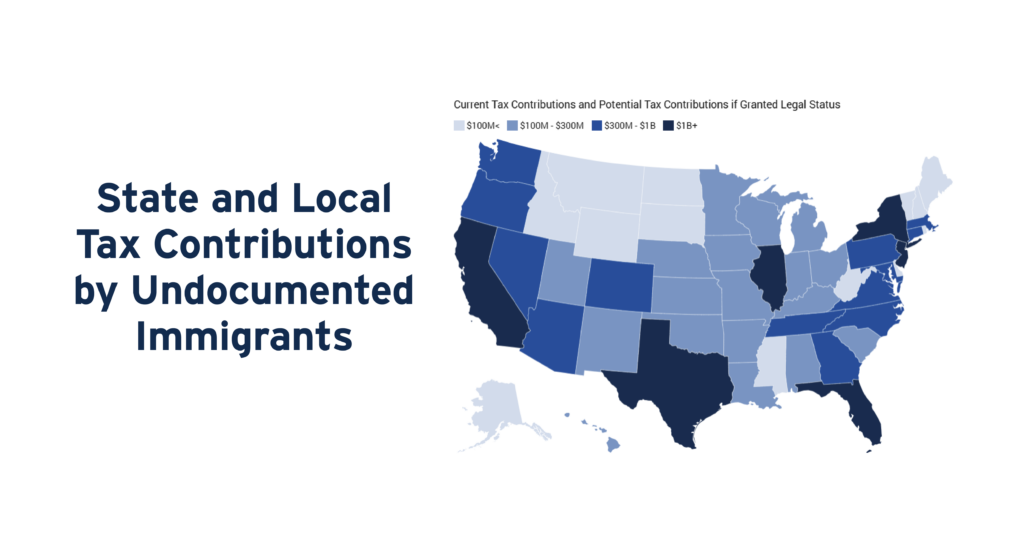
Undocumented immigrants pay taxes that help fund public infrastructure, institutions, and services in every U.S. state. Nearly 39 percent of the total tax dollars paid by undocumented immigrants in 2022 ($37.3 billion) went to state and local governments.
Study: Undocumented Immigrants Contribute Nearly $100 Billion in Taxes a Year
July 30, 2024 • By ITEP Staff
Contact: Jon Whiten (jon@itep.org) Immigration policies have taken center stage in public debates this year, but much of the conversation has been driven by emotion, not data. A new in-depth study from the Institute on Taxation and Economic Policy aims to help change that by quantifying how much undocumented immigrants pay in taxes – both […]

Undocumented immigrants paid $96.7 billion in federal, state, and local taxes in 2022. Providing access to work authorization for undocumented immigrants would increase their tax contributions both because their wages would rise and because their rates of tax compliance would increase.
Four states expanded or boosted refundable tax credits for children and families, and the District of Columbia is poised to create a new Child Tax Credit. These actions — in Colorado, Illinois, New York, Utah, and D.C. — continue the recent trend of improving the well-being of children and families with refundable tax credits.
Major tax cuts were largely rejected this year, but states continue to chip away at income taxes. And while property tax cuts were a hot topic across the country, many states failed to deliver effective solutions to affordability issues.
Improving Refundable Tax Credits by Making Them Immigrant-Inclusive
July 17, 2024 • By Emma Sifre, Marco Guzman
Undocumented immigrants who work and pay taxes but don't have a valid Social Security number for either themselves or their children are excluded from federal EITC and CTC benefits. Fortunately, several states have stepped in to ensure undocumented immigrants are not left behind by the gaps in the federal EITC and CTC. State lawmakers should continue to ensure that immigrants who are otherwise eligible for these tax credits receive them.
Corporate Tax Breaks Contribute to Income and Racial Inequality and Shift Resources to Foreign Investors
July 16, 2024 • By Emma Sifre, Steve Wamhoff

Corporate tax cuts and corporate tax avoidance worsen income and racial inequality in our country. Most of the benefits flow to foreign investors and the richest 20% of Americans.
New York Times: Newsom Uses Annual State Address to Confront Republicans Across the Nation
June 27, 2024
Gov. Gavin Newsom of California, whose liberal state has been hammered by Republicans for months as a hellscape of homelessness, crime and high taxes, used his annual State of the State address on Tuesday to slam “conservatives and delusional California bashers” and defend “the California way of life.”
States Should Enact, Expand Mansion Taxes to Advance Fairness and Shared Prosperity
June 26, 2024 • By Carl Davis, Erika Frankel

The report was produced in partnership with the Center on Budget and Policy Priorities and co-authored by CBPP’s Deputy Director of State Policy Research Samantha Waxman.[1] Click here to use our State Mansion Tax Estimator A historically large share of the nation’s wealth is concentrated in the hands of a few, a reality glaring in […]
Property Tax Circuit Breakers Can Help States Create More Equitable Tax Codes
June 24, 2024 • By Brakeyshia Samms
Well-designed property tax circuit breaker programs allow states to reduce the impact that property taxes have on the upside-down tilt of their tax codes.
New York Times: Democrats’ Dream of a Wealth Tax Is Alive. For Now.
June 21, 2024
For years, liberal Democrats have agitated for the United States to tax wealth, not just income, as a way to ensure that rich Americans who derive wealth from real estate, stocks, bonds and other assets were paying more in taxes. On Thursday, that dream survived a Supreme Court scare, but just barely.
State Rundown 6/13: Decisions are falling into place, but some states will come back for more
June 13, 2024 • By ITEP Staff
State budgets are falling into place as lawmakers near the end of their legislative sessions...
