
Recent Work by ITEP
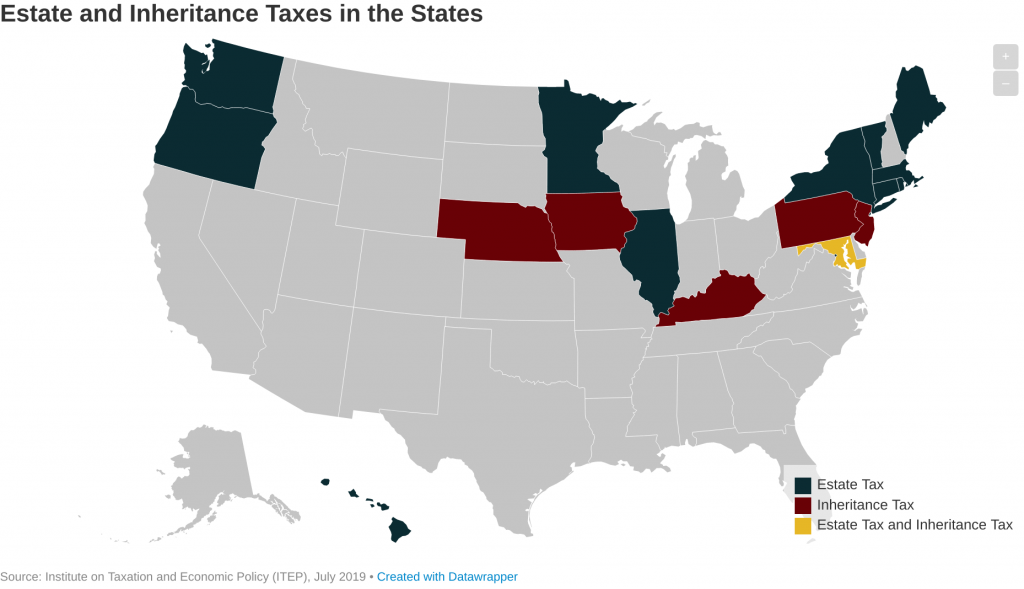
States have been repealing estate taxes since the early 2000s. Now, just 17 states and the District of Columbia (D.C.) levy estate and/or inheritance taxes. Twelve states and D.C. levy estate taxes while six states levy inheritance taxes (Maryland levies both). These taxes have long been used not just to raise revenue for vital public services, but to promote equality of opportunity and reduce the transfer of concentrated wealth from one generation to the next.
Missouri’s Creative Approach to Ending the “Race to the Bottom” in State Business Taxes
July 10, 2019 • By Matthew Gardner

Each year, state and local governments spend billions of dollars on targeted tax incentives—special tax breaks ostensibly designed to encourage businesses to relocate, expand or simply stay where they are. A law enacted by the Missouri legislature creates a template for states to work bilaterally to put the brakes on the “race to the bottom” in state business taxes.
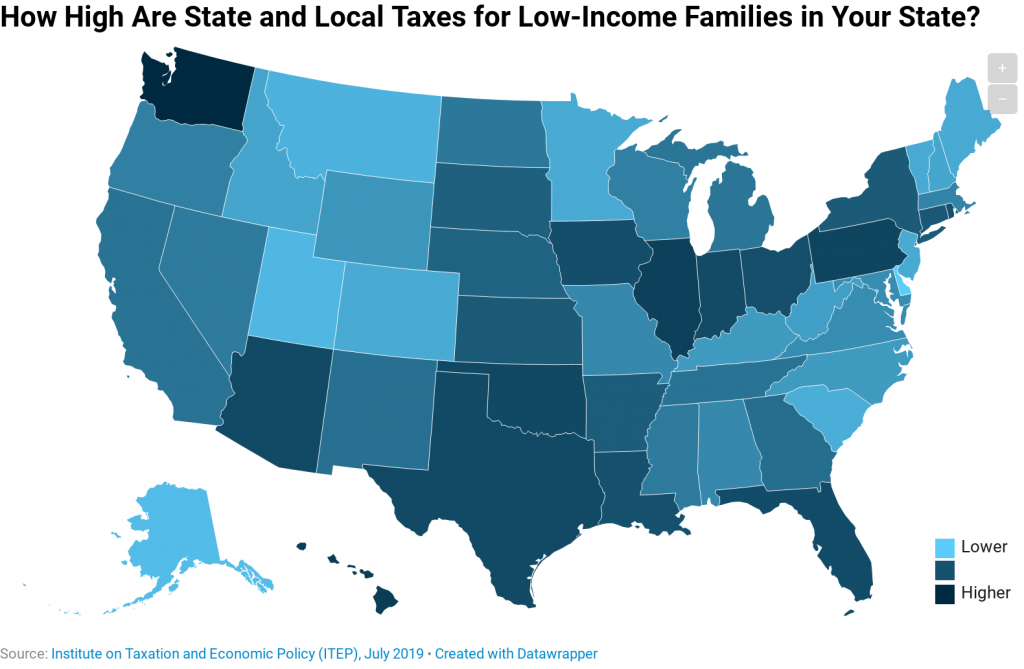
No two state tax systems are the same, but 45 states have one thing in common: Low-income residents are taxed at a higher rate than the top 1 percent. This map shows the effective tax rates for the lowest-income 20 percent in each state--ranging from a high of 17.8 percent in Washington to a low of 5.5 percent in Delaware.

Mercury is rising, presidential primary debates are underway and most state legislative sessions have adjourned for summer. Whether you’re curling up with a good book (or your favorite e-Reader) or looking for a new television show to binge-watch, check out these recommendations on ITEP’s Summer Reading (and Watching) List.
Gaps in Sales Tax Collection Linger at Amazon.com and Among Other E-Retailers
July 1, 2019 • By Carl Davis
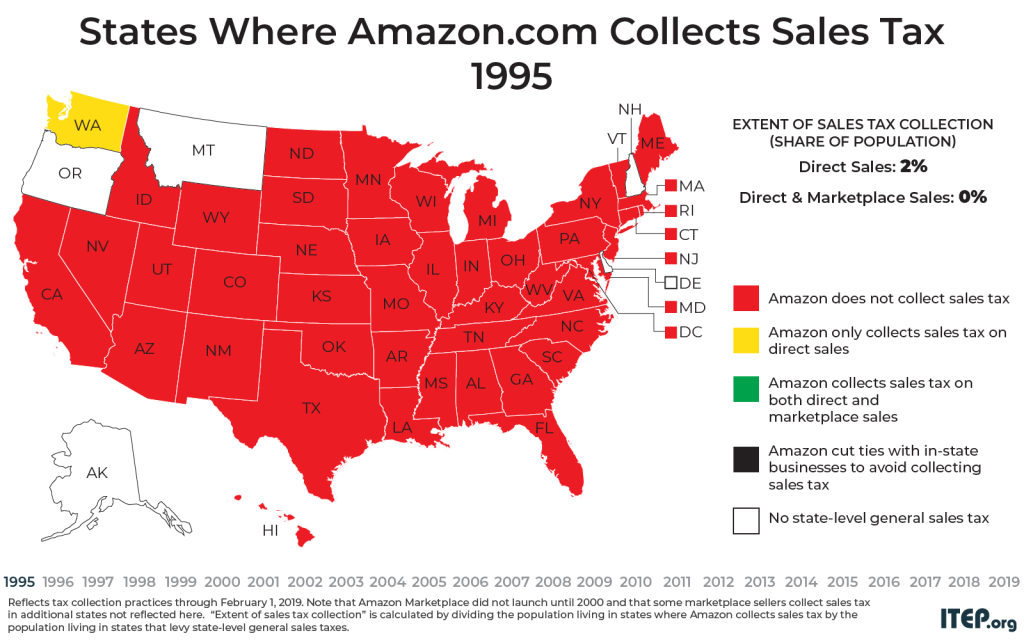
The last few years have brought big changes to sales tax collection for purchases made at Amazon.com and other e-retail websites. As recently as 2011, Amazon was only collecting sales tax on its direct sales in five states – a fact that gave the company a competitive edge over brick and mortar stores during a critical time in its growth. Today, Amazon is collecting state-level sales taxes on all its direct sales, but it still usually fails to collect sales tax on the large volume of sales it makes through the “Amazon Marketplace.” This points to a broader problem in…
Why Trump Administration’s Plan to Index Capital Gains to Inflation Is Just Another Giveaway to the Wealthy
June 28, 2019 • By Steve Wamhoff

The White House is reported to be planning to unilaterally adjust the way capital gains are assessed to benefit the wealthiest Americans. The proposal would adjust capital gains for inflation, reducing taxes disproportionately for the wealthiest households who own most assets by limiting their taxable gains to those above and beyond the inflation rate.
State Rundown 6/27: States Look at Raising Incomes at the Bottom, Taxes at the Top
June 27, 2019 • By ITEP Staff
Low-income working families got good news and bad news this week, as Earned Income Tax Credit (EITC) enhancements passed in California and advanced in Oregon, while minimum wage increases failed in Pennsylvania, Rhode Island, and Wisconsin. Meanwhile, the momentum for taxing wealth and the very rich continued to grow, as more one-percenters called for enacting progressive taxes, and Inequality.org held a star-studded conference on why and how to do so.

A summary of ITEP reports, analyses and blogs this month.
Wealth Tax Is Supported by Basically Everyone Who Is Not a Politician
June 27, 2019 • By Steve Wamhoff

A February survey found that 61 percent of registered voters supported a wealth tax proposal, including 51 percent of Republican voters. And it’s not just the non-rich wanting to tax the very rich. A June survey found that 60 percent of millionaires support the idea.
Gas Taxes Rise in a Dozen States, Including an Historic Increase in Illinois
June 27, 2019 • By Carl Davis
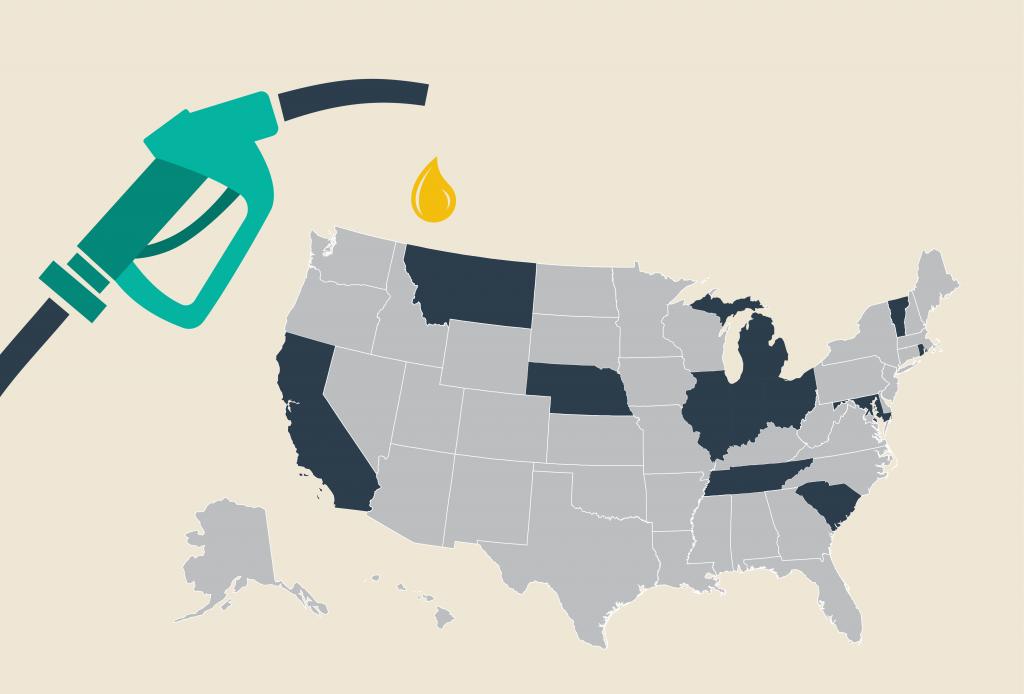
On July 1, 12 states will boost their gasoline taxes and 11 will boost their diesel taxes. The reasons for these increases vary, but they’re generally intended to fund maintenance and improvement of our nation’s transportation infrastructure–a job at which Congress has not excelled in recent years.
ITEP in the News
CBS News: The One Big Beautiful Bill Act is 1 year old. Here are the winners and losers.
Yahoo News: Hawaii’s new ‘millionaire tax’ rivals top tax rate among other states
Lexington Herald-Leader: How are gas prices set in KY? From oil to the pump, here’s what to know
Wall Street Journal: Coke Takes on IRS With $20 Billion at Stake
Reuters: Hawaii Considers Gasoline Tax Suspension as Pump Prices Soar
ITEP Work in Action
Senator Chris Van Hollen: Van Hollen, Pettersen Lead Lawmakers in Introducing Legislation to Bring Transparency to Corporate Abuse of Tax Havens, Job Offshoring
Center on Budget and Policy Priorities: Missouri Tax Amendment Likely to Seriously Harm Services, Shift Taxes Onto Working Families
California Budget and Policy Center: Should Voters Approve Prop. 3? How Top Tax Rates Have Helped Californians
Migration Policy Institute: Rooted in the Valley: Immigrants in Napa County’s Communities and Economy
The Bell Policy Center: Colorado Ballot Guide 2026

Institute on Taxation
and Economic Policy
ITEP is a non-profit, non-partisan tax policy organization. We conduct rigorous analyses of tax and economic proposals and provide data-driven recommendations to shape equitable and sustainable tax systems.
Subscribe to ITEP Emails
Tax research and policy news in your inbox.
Promote Fair Tax Policy
Your gift to ITEP promotes tax justice. With your help, we do research that supports taxing millionaires and billionaires, taxing big corporations and raising revenue for the things our people, our communities and our planet need.
Together, we can create a country with more economic justice, more racial justice, more climate justice… and more tax justice.