
Massachusetts

Tax Justice Now
• By Amy Hanauer
Affordability, corruption, and inequality topped the list of what most enraged Americans in last week's election. Tax policy is key to fixing these issues and to addressing looming threats that would make inequality and affordability worse.
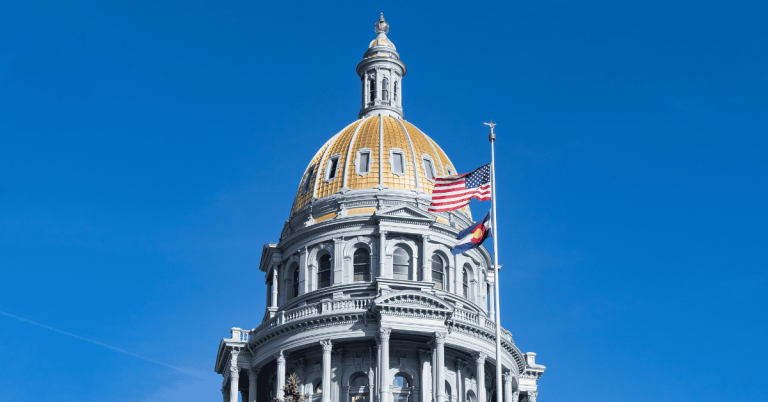
Colorado Voters Ditch Flat Tax, Opt to Tax the Rich and Corporations
• By Aidan Davis, Dylan Grundman O'Neill
Colorado voters approved Amendment 87, also known as Initiative 195, which will give the vast majority of Coloradans an income tax cut. Only households in the richest 5 percent will pay more. The state will raise approximately $2 billion a year in new revenue to fund K-12 education, healthcare, and childcare.
State Rundown 11/5: Election Day Put Taxes on the Ballot
• By ITEP Staff
While voters delivered an historic rebuke of the economic and tax policies of the Trump administration as affordability concerns became a flashpoint, voters also decided on major tax ballot questions that will raise and protect revenue and do more to tax the rich in Washington, California, and Colorado.
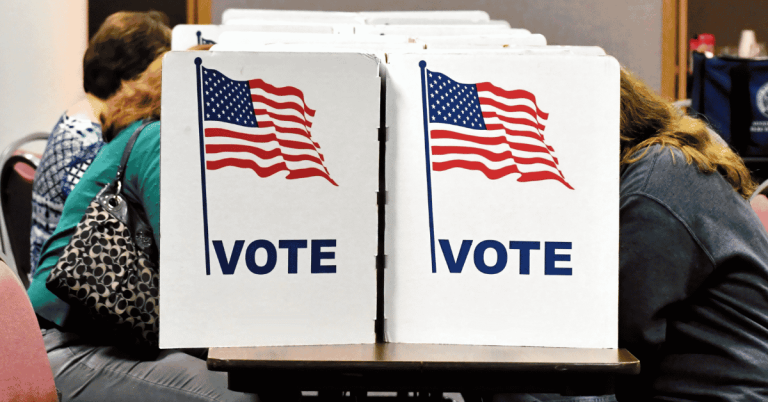
Voters Pass Ballot Measures to Raise and Protect Revenue, Tax the Rich
• By Aidan Davis, Jon Whiten
Voters in states across the country on Tuesday passed critical ballot measures to raise and protect revenue and increase tax fairness. In three of four cases, voters showed their support for taxing the rich.
State Rundown 10/22: Despite Obstacles, Progressive Taxes Define 2026
• By ITEP Staff
As more states move to raise revenue and tax the rich, anti-tax lobbyists and lawmakers are hard at work to undo that progress. Despite pushback, important conversations around needed revenue continue.
New State Taxes on the Wealthy Raise Revenue and Rebalance Tax Codes, Advancing Racial Justice
• By Brakeyshia Samms
Taxing the rich is proven fiscal policy – it raises revenue for vital public services and makes tax codes fairer. But a part of the debate that rarely gets enough attention: taxing the rich is also one of the most effective tools available for advancing racial equity.
State Rundown 9/24: States Reckon with Tightening Fiscal Futures
• By ITEP Staff
States across the nation are reckoning with their tightening fiscal futures as inflation and economic woes continue to eat into their budgets.
Massachusetts Budget & Policy Center: Strengthening the Foundation: 28 Progressive Revenue Options for Building a Better Massachusetts
• By ITEP Staff
This new tool describes 28 ways the Commonwealth could generate substantial new revenue in a manner that would fall least heavily on people with the least ability to pay.

State Child Tax Credits Will Boost Financial Security for Families and Children in 2027
• By Neva Butkus
Sixteen states provide Child Tax Credits to reduce poverty, boost economic security, and invest in children. State lawmakers have several options to maximize the impact of Child Tax Credits.

Institute on Taxation
and Economic Policy
ITEP is a non-profit, non-partisan tax policy organization. We conduct rigorous analyses of tax and economic proposals and provide data-driven recommendations to shape equitable and sustainable tax systems.
Subscribe to ITEP Emails
Tax research and policy news in your inbox.
Promote Fair Tax Policy
Your gift to ITEP promotes tax justice. With your help, we do research that supports taxing millionaires and billionaires, taxing big corporations and raising revenue for the things our people, our communities and our planet need.
Together, we can create a country with more economic justice, more racial justice, more climate justice… and more tax justice.