
ITEP's Research Priorities
- 2025 tax debate
- Blog
- Cannabis Taxes
- Citations
- Corporate Taxes
- Corporate Taxes
- Earned Income Tax Credit
- Education Tax Breaks
- Estate Tax
- Federal Policy
- Fines and Fees
- Georgia
- Immigration
- Income & Profits
- Income Taxes
- Inequality and the Economy
- Interactives
- ITEP Work in Action
- Local Income Taxes
- Local Policy
- Local Property Taxes
- Local Refundable Tax Credits
- Local Sales Taxes
- Maps
- Media Quotes
- News Releases
- OBBBA
- Other Revenues
- Personal Income Taxes
- Property & Wealth
- Property Taxes
- Property Taxes
- Publications
- Refundable Tax Credits
- Sales & Excise
- Sales, Gas and Excise Taxes
- Sales, Gas and Excise Taxes
- SALT Deduction
- Select Media Mentions
- Social Media
- Staff
- Staff Quotes
- State Corporate Taxes
- State Policy
- State Reports
- States
- Tax Analyses
- Tax Basics
- Tax Credits for Workers and Families
- Tax Credits for Workers and Families
- Tax Guide
- Tax Principles
- Tax Reform Options and Challenges
- Taxing Wealth and Income from Wealth
- Trump Tax Law
- Trump Tax Policies
- Trump Tax Policies
- Trump-GOP Tax Law
- Video
- Webinar
- Who Pays?
Amidst Soaring Tech Earnings, Meta and Qualcomm Disclose a $13.7 Billion Tax Gift from Trump Administration
April 30, 2026 • By Matthew Gardner

Both companies acknowledge that they will save billions because of the Trump administration's weakening of the Corporate Alternative Minimum Tax (CAMT). Meta and Qualcomm are just two of the corporations that will benefit from this corporate tax cut provided unilaterally by the Trump's Treasury Department.
State Rundown 4/30: Aloha to Tax Cuts, Hawaiʻi Lawmakers Address Revenue Gap with High-End Tax Changes
April 30, 2026 • By ITEP Staff
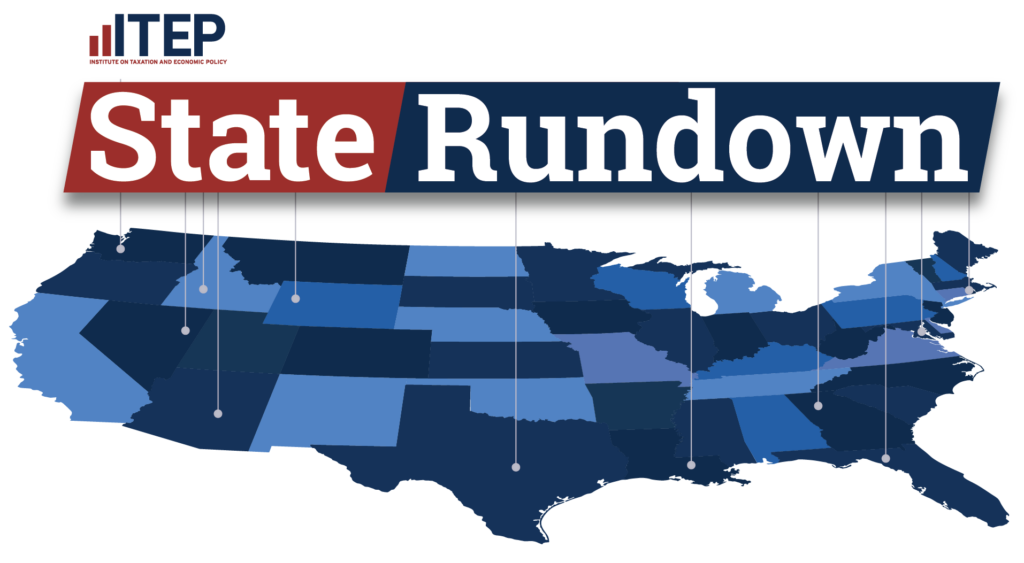
This week Hawaiʻi lawmakers reached a compromise to balance the state budget and maintain tax cuts for most residents by, in part, raising rates on the richest Hawaiians. Other states are working to generate revenue from their wealthiest residents, too.
The Washington Post Is Wrong: Many Rich Americans Are Not Paying Their Fair Share
April 30, 2026 • By Jessica Vela

Bezos' hand-picked editorial board argues that our tax code does not need to be more progressive because the share of federal income tax paid by the rich already exceeds their share of income. This is grossly misleading for at least two reasons.
The Big Corporations That Avoided All Federal Income Taxes on Their 2025 U.S. Profits Would Like Us All to Please Just Look at That Squirrel Over There
April 24, 2026 • By Matthew Gardner

When confronted with the completely accurate observation that their own annual reports disclose an estimated current federal income tax expense of zero on current-year income, the companies will desperately point to something else entirely.
State Rundown 4/23: While Some States Stop Digging, Others Move Full Steam Ahead with Anti-Affordability Agendas
April 23, 2026 • By ITEP Staff
Missouri lawmakers passed legislation that will have residents vote on a proposal at the ballot box. The ask: for them to pay more in sales taxes to offset cuts – and the possible elimination – of the state's individual income tax, which makes up nearly two-thirds of Missouri’s general fund.
Testimony: ITEP’s Miles Trinidad Explains Why Vermont Should Adopt a Wealth Proceeds Tax
April 21, 2026 • By Miles Trinidad

ITEP Policy Analyst Miles Trinidad testified on the need for a Wealth Proceeds Tax in Vermont on April 16, 2026 at the Vermont House Ways and Means Committee.
While States Debate New Trump Tax Changes, Equity Must Be at the Core
April 20, 2026 • By Brakeyshia Samms

States continue to debate whether and how to link their state tax codes to the 2025 federal tax law. This is not just a technical debate.
State Rundown 4/16: Tax Day, a New Millionaires’ Tax and Late Blooming State Tax Action
April 16, 2026 • By ITEP Staff
Yesterday was Tax Day, and with many state legislative sessions wrapping, some tax changes are gearing up or crossing over the finish line.
Tax Break for Ultra-wealthy Investors Takes a Hit in Maine and Oregon
April 15, 2026 • By Nick Johnson

Policymakers in Maine and Oregon wisely said “no” last week to an income tax break for deep-pocketed tech investors and venture capitalists that was expanded in last year’s federal tax bill.
North Carolina, Pushing Tax Cuts on Three Fronts, Risks a Repeat of Kansas Debacle
April 14, 2026 • By Carl Davis

Tax cuts are looming large on the horizon in North Carolina. So large, in fact, that even some traditionally anti-tax voices are starting to get nervous.
At Least 88 Profitable U.S. Corporations Paid Zero Federal Income Tax in 2025
April 14, 2026 • By Matthew Gardner, Spandan Marasini

At least 88 of the largest corporations in America paid $0 in federal income tax for 2025. Corporate tax avoidance has increased at least in part due to President Trump's “One Big Beautiful Bill Act” and the 2017 Tax Cuts and Jobs Act.
State Rundown 4/8: Budget and Tax Packages Take Shape as Sine Die Approaches in Many States
April 8, 2026 • By ITEP Staff
State legislative sessions are wrapping up, and final tax and budget packages are making their way to governors’ desks.
Despite Any Refunds, You’re Probably Paying More Taxes Under Trump While Richest Pay Less
April 8, 2026 • By Steve Wamhoff
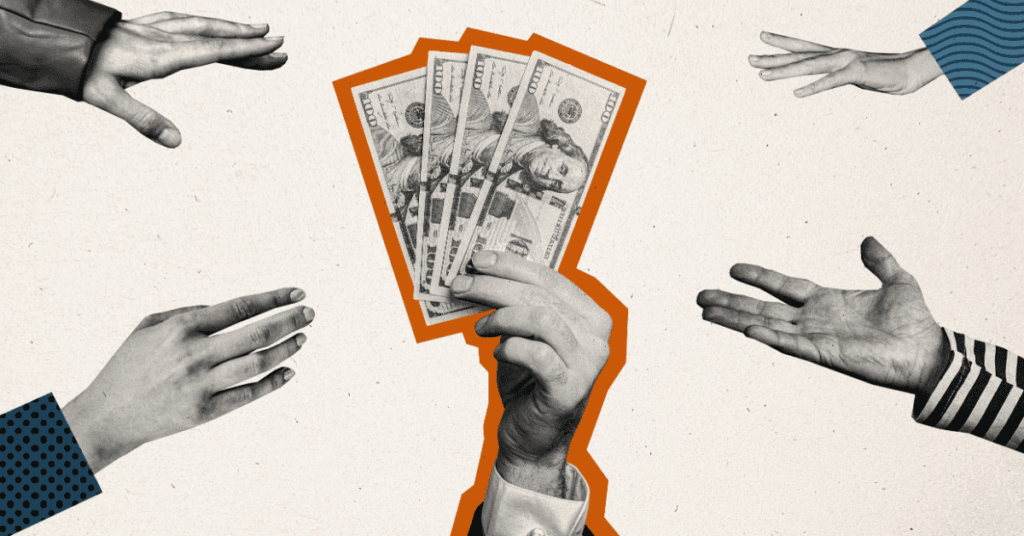
For a large majority of Americans, the tax increase resulting from Trump’s tariffs, along with the ending of the health care tax credits, more than offsets any tax cuts provided by OBBBA. The exception is the richest 5 percent of Americans, for whom the net result is a tax cut on average.
Year One of Trump-Republican Tax Policy: The Consequences
April 6, 2026 • By Michael Ettlinger

President Trump has dramatically increased tariff taxes, enacted large tax cuts that primarily benefit the wealthy and corporations, dramatically curtailed IRS enforcement, and issued legally problematic regulations.
State Rundown 4/1: No Fooling Around Anymore in Washington, But Cruel Pranks in South Carolina
April 1, 2026 • By ITEP Staff
In Washington, Gov. Bob Ferguson and lawmakers decided to stop fooling around with one of the nation’s most upside-down tax codes and finally brought to life a new millionaires’ tax, the first new income tax created in a state since 1991.
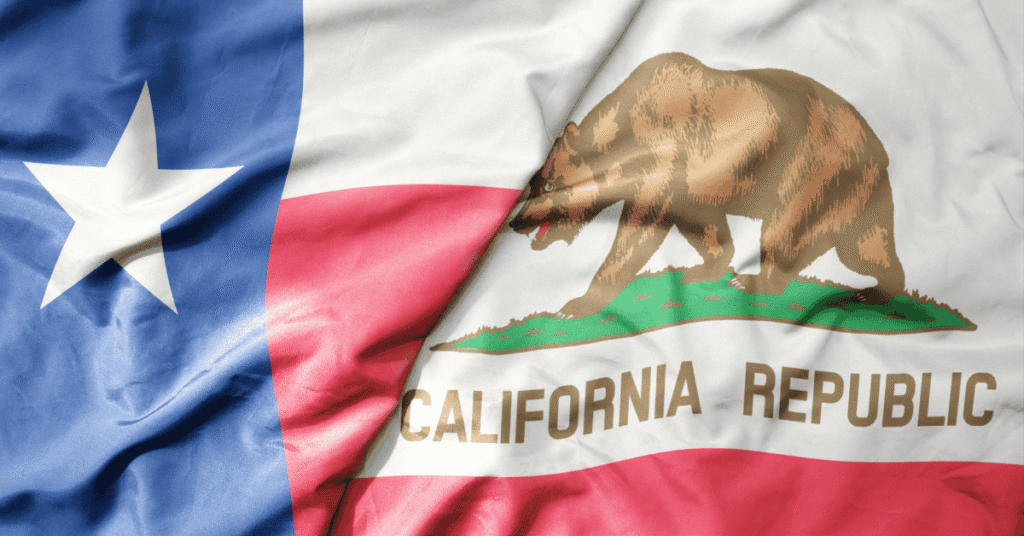
California Gov. Gavin Newsom went to Texas recently and claimed: “Texas taxes poor folks more than we tax our richest." He’s right.
South Carolina’s Expensive, Regressive Tax Law Will Eliminate State’s Income Tax
March 31, 2026 • By Neva Butkus, Dylan Grundman O'Neill

South Carolina signed into law a regressive tax cut that will disproportionately benefit the state’s highest-income residents while simultaneously jeopardizing the state’s ability to pay for basic public services in the years to come.
The Guardian: Washington State’s ‘Historic’ Millionaire Tax Takes Aim at Super-Rich – Will It Succeed?
March 31, 2026
This was very overdue, and people in Washington are really excited to see it,” she said. “The bottom line is that billionaires are walking away with a larger share of our economy every single year, and working people can’t afford the basics any more. This movement was growing, this moment was coming.”
How to Make the Rich and Corporations Pay for This Unpopular War
March 25, 2026 • By Michael Ettlinger

The war is widely unpopular. Whether the cost of the war ends up being $200 billion, more than that amount, or less, let’s at least have it paid for by those who can most afford it.
States Like Missouri Are Seeking to Raise Taxes on the Working Class to Cut Taxes for the Rich
March 25, 2026 • By Eli Byerly-Duke

A proposal to replace the Missouri personal income tax with a higher sales tax would increase costs for low- and middle-income households while giving the richest Missourians an average annual tax cut of almost $40,000.

The recent spike in gasoline prices is on pace to cost American drivers an extra $9.4 billion per month. Gas prices are up dramatically across the country, but the South has been hit hardest and is on pace to pay $4.2 billion more per month.
We Must Focus on Black Women to Reduce Inequity in the Tax Code
March 19, 2026 • By Brakeyshia Samms, Francine Lipman

As nice as it is to celebrate Women’s History Month, if we want a brighter future for women, we need to forge public policies that reduce inequity and include all of us.
State Rundown 3/18: New Mexico Enacts Most Significant Corporate Tax Reform of the Year
March 18, 2026 • By ITEP Staff
As states lawmakers continue to weigh their linkages to the federal tax code in light of the recent federal tax law, New Mexico provides a blueprint for limiting multinational corporate tax avoidance.
States Should Be Doing More About Corporate Tax Avoidance. New Mexico’s Tax Conformity Law Shows How.
March 17, 2026 • By Carl Davis

On top of declining to fold large federal business tax cuts into state law, New Mexico also took the monumental step of hardening the state’s corporate tax base against offshore profit shifting.
State Rundown 3/12: Washington Lawmakers Pass Millionaires’ Tax, Expand Working Families Tax Credit
March 12, 2026 • By ITEP Staff
Washington is on its way to making history after the legislature approved the “millionaires’ tax,” a 9.9 percent tax on income over $1 million. The bill, which is expected to raise more than $3 billion a year, making significant investments in public education and childcare, will also expand the Working Families Tax Credit – the […]

Institute on Taxation
and Economic Policy
ITEP is a non-profit, non-partisan tax policy organization. We conduct rigorous analyses of tax and economic proposals and provide data-driven recommendations to shape equitable and sustainable tax systems.
Subscribe to ITEP Emails
Tax research and policy news in your inbox.
Promote Fair Tax Policy
Your gift to ITEP promotes tax justice. With your help, we do research that supports taxing millionaires and billionaires, taxing big corporations and raising revenue for the things our people, our communities and our planet need.
Together, we can create a country with more economic justice, more racial justice, more climate justice… and more tax justice.