
Blog
1,395 posts
State Rundown 10/27: As Temperatures Cool Tax Policy Heats Up
• By ITEP Staff
States across the nation are debating how best to respond to costly new federal tax cuts.

Why States Shouldn’t Go Along With OBBBA’s Corporate Tax Breaks: A Practical Guide
• By Nick Johnson, Michael Mazerov
States should immediately decouple from four costly corporate tax provisions in the new federal tax law.

Well, That Was Fast: Trump Tax Law’s New Corporate Breaks are Already Worsening the Deficit
• By ITEP Staff
Corporate income taxes for the fiscal year that ended in September are $77 billion lower than in the previous year, a 15 percent drop.
Some Members of Congress Will Cash in from New Tax Law
• By ITEP Staff
Many lawmakers who were vocal supporters of this bill will see direct personal benefits while most of their constituents benefit little or will be worse off.

Trump Tax Law Erases Economic, Racial Progress in the Tax Code
• By Brakeyshia Samms
President Trump’s massive tax-and-spending bill continues the administration’s assault on racial and economic justice by prioritizing tax breaks for the top 1% while neglecting the economic well-being of poor and working families of all races, especially people of color.

Coca-Cola To Shareholders: $18 Billion Tax Bill? What $18 Billion Tax Bill?
• By Matthew Gardner
If Coca-Cola only pays 3% of the $18 billion tax bill it's facing, then the rest of us will have to pick up the remaining 97%.
State Rundown 10/1: State and Local Governments Doing the Opposite of Shutting Down
• By ITEP Staff
State and local officials are staying very busy by considering a dizzying amount of reversals.

Leaving Billions on the Table: Trump-Induced Brain Drain Leaves the IRS Struggling to Prevent Corporate Tax Avoidance
• By Matthew Gardner
The IRS's capacity to prevent big multinational corporations from avoiding income taxes is facing a generational crisis.
State Rundown 9/18: Lawmakers Confront Revenue Loss from Federal Policy Changes
• By ITEP Staff
Some states are trying to avoid revenue loss while others are welcoming it and doubling down.

Child Poverty Remains Unacceptably High, New Federal Changes Unlikely to Move Needle
• By Neva Butkus
By not extending the 2021 temporary Child Tax Credit expansion, federal lawmakers have allowed the number of children and families in poverty to increase and remain unnecessarily high.

Corporate Tax Transparency’s Disappearing Act
• By Spandan Marasini
What currently stands in the way of better corporate tax transparency.

President Trump is Still Lying About Ending Taxes on Social Security
• By Matthew Gardner
Why is Trump saying that he has eliminated taxes on Social Security?

Making the Wealthy Pay their Fair Share is the Way to Preserve Vacation Towns
• By Rita Jefferson
Rhode Island lawmakers created a new surcharge on second homes worth more than $1 million as part of the budget enacted this spring.

Who Can Make a Billion Dollar Mistake and Not Lose Their Jobs? Congress
• By Matthew Gardner
A drafting error in the 2017 tax law will cost U.S. taxpayers over $1 billion in unintended tax cuts for big multinationals.
State Rundown 9/4: Colorado Tackles Offshore Corporate Tax Avoidance, Paves Way for State Conformity Best Practices
• By ITEP Staff
Despite an increasingly bleak state revenue outlook, state lawmakers across the country continue to prioritize regressive tax cuts.
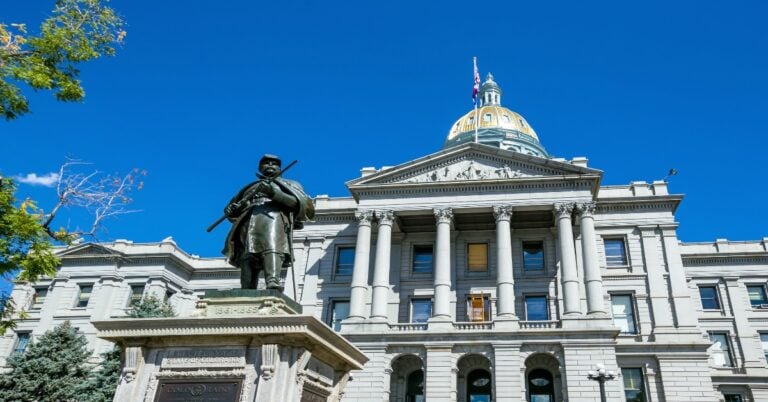
Colorado Lawmakers Help Fill Trump-Induced Shortfall by Tackling Offshore Corporate Tax Avoidance
• By ITEP Staff
As the Trump megabill blows holes in state budgets, Colorado is leading with reforms to curb offshore tax avoidance and roll back wasteful corporate subsidies.

Dismantling Access to the Truth is a Big Deal
• By Erika Frankel
As federal data systems erode, the U.S. risks losing the impartial information needed for sound policymaking and public trust.

The Trump Megabill Hands the Rich a Gift — and Sends the Bill to Young Americans
• By Angie Sumo
Trump's megabill directs most benefits to the wealthy, while leaving younger generations with higher taxes, more debt, and fewer opportunities. For Millennials and Gen Z, it means reduced public investment and an economy less likely to work in their favor.

SALT in the Wound: New Tax Law’s Limit on State Tax Deductions Exempts Some of the Very Wealthiest
• By ITEP Staff
The new tax law enacted last month found a temporary compromise on the level of the cap, boosting it to $40,000 through 2029, but failed to fix a loophole that allows some rich taxpayers with good accountants to completely avoid the cap
State Rundown 8/20: States to Face Serious Conformity, Revenue Issues as Summer Ends
• By ITEP Staff
While tax news has slowed as summer comes to an end, there are rumblings beneath the surface that could be an inauspicious sign of the times ahead for states and state budgets.
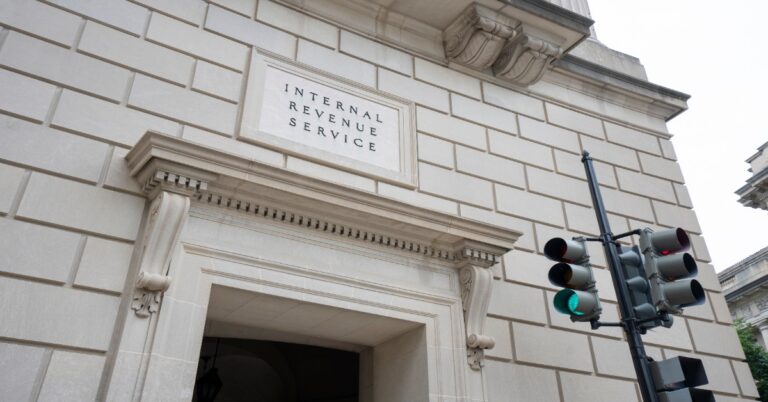
Trump Administration’s English-Only IRS Would Undermine Public Trust and Boost Budget Deficits
• By Matthew Gardner
The Trump administration’s push to make English the official U.S. language threatens decades of progress in taxpayer services for non-English speakers, risking cuts to IRS multilingual support, harder tax filing, lower compliance, and an undermined agency mission.

Trump’s Tax Law Clobbers State Budgets. Now’s the Time to Prepare.
• By ITEP Staff
The Trump megabill hands the richest 1% a trillion-dollar windfall while gutting funding for health care, education, and disaster relief — leaving communities to pick up the pieces. State and local leaders must step up, tax the wealthiest fairly, and safeguard the essentials that keep America healthy, educated, and safe.

Mississippi’s Path to Income Tax Elimination Hinders Racial and Economic Equity
• By Vanessa Woods
Mississippi policymakers this year took a big step to worsen the state’s racial income and wealth divides by passing a radical plan to eventually eliminate the state’s income tax.

How Maryland’s Tax Reforms Advance Racial and Economic Equity
• By Vanessa Woods
Maryland is taking aim at income and racial disparities through a revised personal income tax. By raising taxes on high earners and cutting them for most households across racial and ethnic lines, the state is proving that progressive tax policy can drive both equity and revenue.

Trump’s Firing of BLS Commissioner is Part of Larger Erosion of Federal Data Infrastructure
• By Emma Sifre
Last week, President Trump fired the Commissioner of the Bureau of Labor Statistics in apparent retaliation for weak jobs numbers. The move drew sharp criticism for spooking investors and weakening trust in official data. But it also reflects a deeper problem: the ongoing erosion of the federal data infrastructure.
Blog Categories

Institute on Taxation
and Economic Policy
ITEP is a non-profit, non-partisan tax policy organization. We conduct rigorous analyses of tax and economic proposals and provide data-driven recommendations to shape equitable and sustainable tax systems.
Subscribe to ITEP Emails
Tax research and policy news in your inbox.
Promote Fair Tax Policy
Your gift to ITEP promotes tax justice. With your help, we do research that supports taxing millionaires and billionaires, taxing big corporations and raising revenue for the things our people, our communities and our planet need.
Together, we can create a country with more economic justice, more racial justice, more climate justice… and more tax justice.