
Blog
705 posts
State Rundown 10/8: Ballot Debates and Gas Tax Promises Accelerate as Election Day Nears
October 8, 2026 • By ITEP Staff
As the Iran War continues to cause gas prices to rise across the country, lawmakers are stepping on the accelerator instead of pumping the brakes on costly and ineffective proposals to suspend the gas tax ahead of the November election.
New State Taxes on the Wealthy Raise Revenue and Rebalance Tax Codes, Advancing Racial Justice
October 6, 2026 • By Brakeyshia Samms
Taxing the rich is proven fiscal policy – it raises revenue for vital public services and makes tax codes fairer. But a part of the debate that rarely gets enough attention: taxing the rich is also one of the most effective tools available for advancing racial equity.
Tallying Up the Impact of Florida’s Property Tax Ballot Measure on Local Communities
September 29, 2026 • By Neva Butkus

Florida voters will soon vote on Amendment 3, which would create a pathway for non-school property tax elimination in the state. If passed, the measure would cost local governments $13.7 billion in the first two years alone.
California’s Prop 40: Responses to Common Objections
September 28, 2026 • By Brian Galle, David Gamage, Darien Shankse
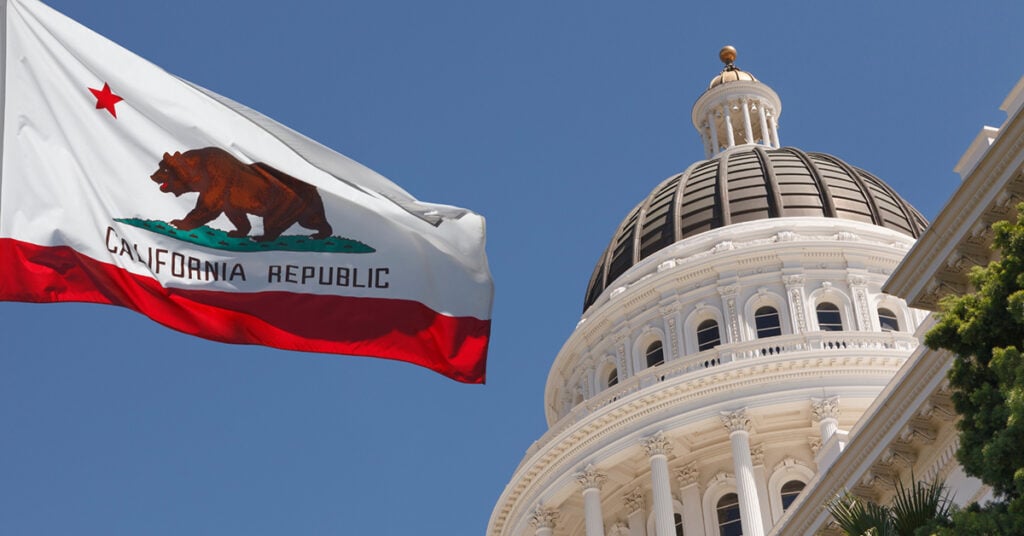
Proposition 40, California’s proposed billionaire tax, is a one-time 5 percent levy that addresses a significant one-time emergency, namely the cuts made to the healthcare system by the so-called “One Big Beautiful Bill Act.”
State Rundown 9/24: States Reckon with Tightening Fiscal Futures
September 24, 2026 • By ITEP Staff
States across the nation are reckoning with their tightening fiscal futures as inflation and economic woes continue to eat into their budgets.
State Rundown 9/10: States Brace for (and in Some Cases Embrace) Ballots and Budgets
September 10, 2026 • By ITEP Staff
States across the country will consider a host of ballot measures that could reshape the fairness and adequacy of their states’ tax systems, while other states are receiving budget forecasts that could further shape upcoming policy debates.
This fall, voters across the country will consider a host of ballot measures that could reshape the fairness and adequacy of their states’ tax systems. Here’s some of what we’re following.
State Action on Child Tax Credits and Earned Income Tax Credits Since 2021
August 27, 2026 • By Neva Butkus

Since 2021, there has been a flurry of new and expanded state Child Tax Credits and Earned Income Tax Credits. This continued momentum speaks to the power and popularity of these credits and the need to boost the financial security of families and children across the country.
With many state legislatures already adjourned, developments in tax policy have slowed.
Maryland Digital Advertising Ruling Shouldn’t Stop Other States from Considering Ad Taxes
August 26, 2026 • By Nick Johnson

Consumers are increasingly bombarded with advertisements based on our personal data. This explosion in targeted advertising is leading state policymakers to revisit the tax treatment of advertising, which has long been exempt from sales tax.
Relentless State Income Tax Cuts Add Up to Massive Giveaways for the Wealthy
August 26, 2026 • By Sarah Austin

Today's state income tax cutting is defined less by sweeping one-time reforms than by sustained campaigns to ratchet down income tax rates year after year. This approach enables lawmakers to enshrine significant long-term reductions into law, while obscuring the fiscal impact by spreading it across multiple state budgets and legislative cycles.
In a win for Missouri workers and families, voters overwhelmingly rejected a proposed amendment that would have allowed lawmakers to replace the state's income tax with increased or expanded sales taxes.
Child Tax Credits and Child and Dependent Care Credits: What’s the Difference?
August 13, 2026 • By Maddie Shirley

Three popular state tax credits support families with children: the Child Tax Credit (CTC, or child credit), the Child and Dependent Care Tax Credit (CDCTC, or dependent care credit), and the Earned Income Credit (EITC). While the EITC is intended to boost wages for low- and moderate-income workers and families, the CTC and CDCTC are […]
Missouri Voters Reject Amendment 5 and a Damaging Tax Shift onto Working Families
August 4, 2026 • By Eli Byerly-Duke, Jon Whiten

Yesterday Missouri voters rejected Amendment 5, declining to give lawmakers a blank check to raise or expand sales taxes, something some lawmakers sought to enable enormous income tax cuts for the state’s wealthiest households.
State Rundown 7/29: The Misguided, Miserly Missouri Amendment to Eliminate the Income Tax
July 29, 2026 • By ITEP Staff
Missouri voters are facing a major decision at the ballot box next week on Amendment 5, which would amend the state constitution to allow lawmakers to eliminate the individual income tax and expand the state’s sales tax on any good or service to make up for lost revenue.
Congressional Republicans Say D.C. Shouldn’t Be Allowed to Run Its Own Tax System
July 23, 2026 • By Matthew Gardner
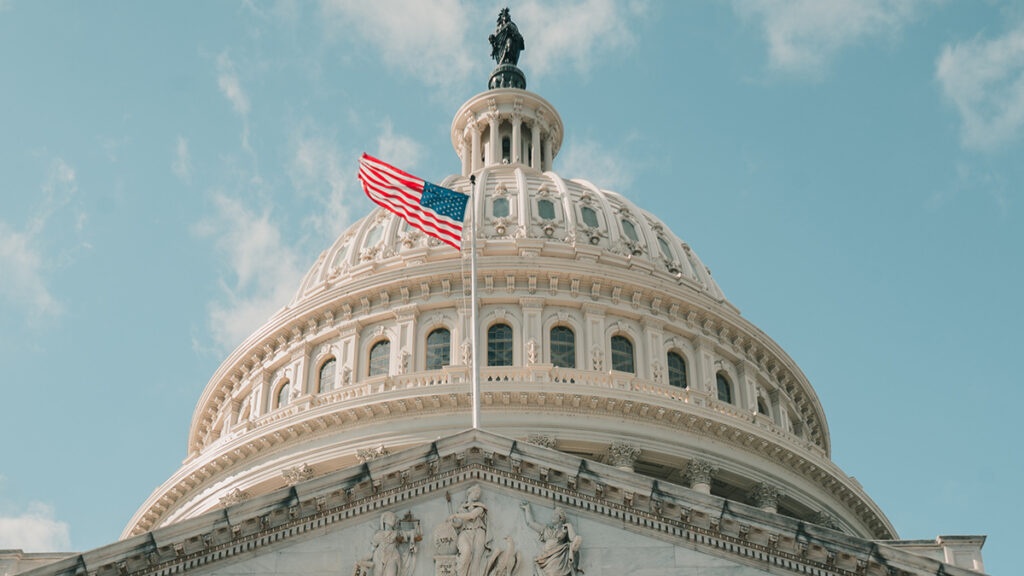
This week a U.S. House of Representatives committee approved a bill that would effectively take away Washington, D.C.’s fiscal autonomy, requiring Congressional approval of any new D.C. laws that increase taxes or fees.
Localities Try Vacant Land Taxes, Mansion Taxes and Second Home Taxes
July 21, 2026 • By Rita Jefferson

In 2026, cities, counties, and school districts must manage tax cuts coming from federal and state governments, the end of federal pandemic aid, rising costs, and a stagnant economy. This challenging environment is forcing municipalities of all types to ask how they can best fund core priorities and invest in communities in the long term.
As many states enter a new fiscal year this month, it’s an ideal time to take a closer look at a major but often overlooked category of government spending: tax expenditures. To make these programs easier to explore and compare, ITEP has updated its state-by-state tax expenditure reports resource.
As our nation celebrates and reflects 250 years since its adoption of the Declaration of Independence, several states have moved to pass lingering budgets.
2026 Sessions in Review: States Fund Tax Credits by Preserving, Raising Revenue
July 2, 2026 • By Aidan Davis

In a year of cautious uncertainty around current and ongoing revenues, many state lawmakers strengthened their tax credits for families and children.
2026 Sessions in Review: States Move to Tax the Rich and Corporations
June 29, 2026 • By Aidan Davis
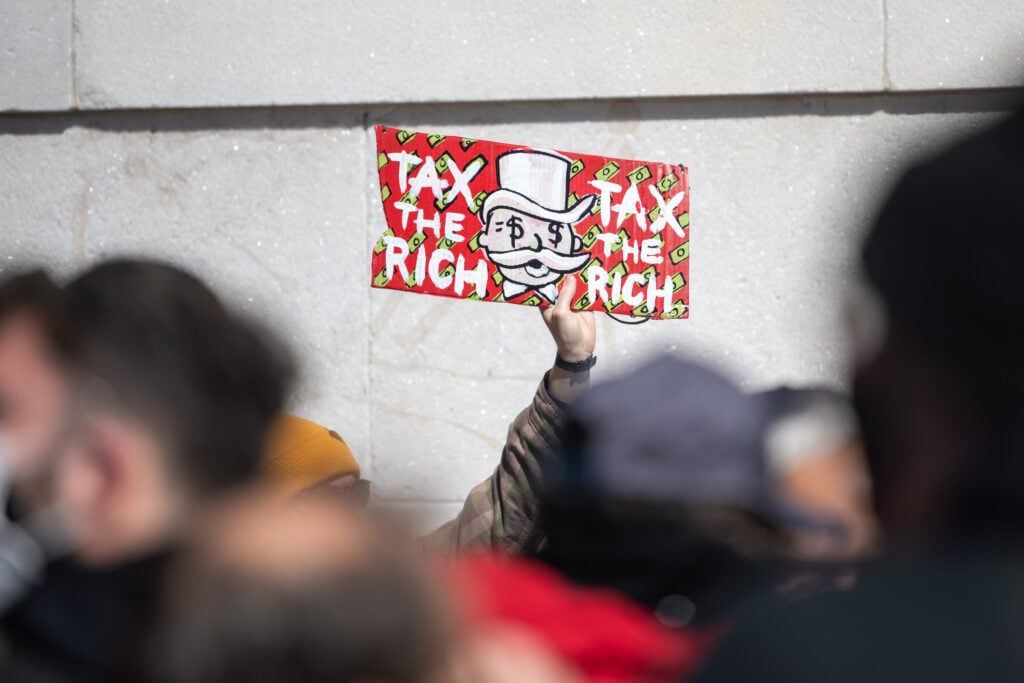
This year several states raised income tax rates on high-income people to fund crucial services and make progress toward remedying the regressive tilt of their tax codes.
A Year Later, Many States Have Decided Not to Double Down on Trump’s Tax Cuts
June 25, 2026 • By Nick Johnson

Nearly one year after the Trump tax law was signed, many of the 42 states with income taxes are declining to incorporate significant parts of the new law into their own tax codes.
It's the first official week of summer, and while many of us are planning vacations, state lawmakers remain busy finalizing and debating tax proposals.

If Juneteenth is to mean anything beyond symbolism, it must also be a call to confront the policies that continue to shape racial inequities today. One of the most powerful drivers of that inequity is our tax system.
Rhode Island Budget Bets on Tax Fairness with Millionaires’ Tax and New Child Tax Credit
June 12, 2026 • By Miles Trinidad
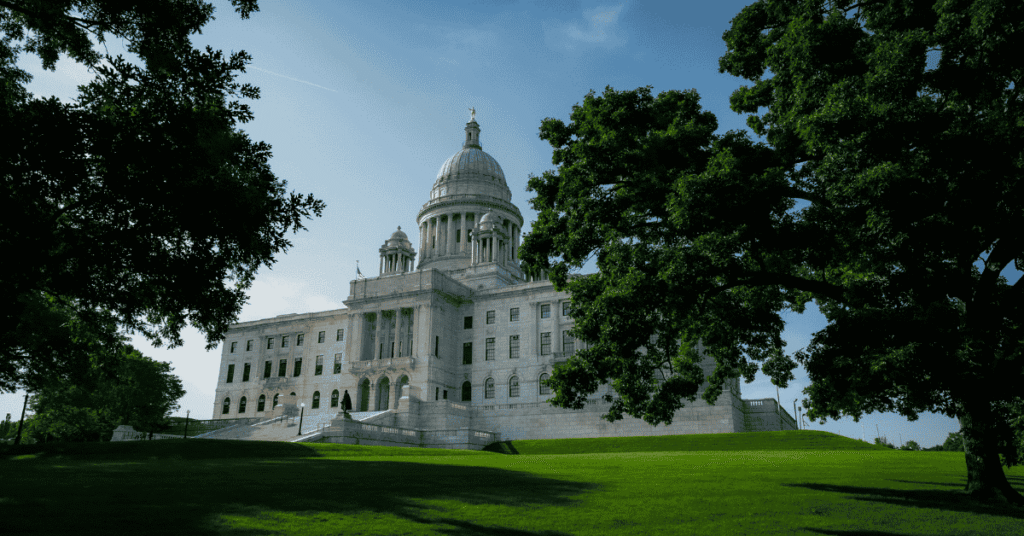
The spending plan, signed into law by Gov. Dan McKee today, features a new millionaires’ tax, the state’s first permanent child tax credit, expanded eligibility for its Social Security exemption , and strategic decoupling from federal business tax provisions.
Blog Categories

Institute on Taxation
and Economic Policy
ITEP is a non-profit, non-partisan tax policy organization. We conduct rigorous analyses of tax and economic proposals and provide data-driven recommendations to shape equitable and sustainable tax systems.
Subscribe to ITEP Emails
Tax research and policy news in your inbox.
Promote Fair Tax Policy
Your gift to ITEP promotes tax justice. With your help, we do research that supports taxing millionaires and billionaires, taxing big corporations and raising revenue for the things our people, our communities and our planet need.
Together, we can create a country with more economic justice, more racial justice, more climate justice… and more tax justice.