
New York
New York Times: $111 Billion in Tax Cuts for the Top 1 Percent
July 11, 2018
Think of it this way: Income inequality has soared in recent decades, with the wealthy pulling away from everyone else and the upper-middle-class doing better than the working class or poor. Yet our federal government has responded by aggravating these trends. It has handed huge tax cuts to the small segment of Americans who need […]
With many state fiscal years beginning July 1, most states that will make decisions this year about federal tax conformity have now done so, so it is now time for an update on how well state policymakers have kept to, or veered from, the path we charted out earlier this year. Most states that have enacted laws in response to the federal changes have adhered to some but not all of the principles we laid out, with a few responding rather prudently and a handful charting a much more treacherous course of unfair, unsustainable policy based on unfounded promises of…
Wall Street Journal: As Treasury Targets Workarounds to Tax Law, Impact May Extend Beyond High-Tax States
June 27, 2018
Tax experts say the federal government will find it difficult if not impossible to write rules to stop the workarounds in New York, New Jersey and Connecticut without also limiting existing tax credits in Georgia, Alabama, South Carolina and elsewhere. According to a recent paper from law professors, 33 states currently have more than 100 […]
The Other SALT Cap Workaround: Accountants Steer Clients Toward Private K-12 Voucher Tax Credits
June 27, 2018 • By Carl Davis
On May 23, 2018, the IRS and Treasury Department announced that they “intend to propose regulations addressing the federal income tax treatment of certain payments made by taxpayers for which taxpayers receive a credit against their state and local taxes.” They made the announcement in response to new “workaround tax credits” enacted in New York […]
New York Times: Supreme Court Widens Reach of Sales Tax for Online Retailers
June 22, 2018
The decision, in South Dakota v. Wayfair Inc., was a victory for brick-and-mortar businesses that have long complained they are put at a disadvantage by having to charge sales taxes while many online competitors do not. And it was also a victory for states that have said that they are missing out on tens of […]
Buffalo News: Sales Tax Ruling Will Help Stores Compete Against Online Retailers
June 22, 2018
Carl Davis, research director at the Institute on Taxation and Economic Policy, a Washington think tank, was quoted in The New York Times saying, “State and local governments have really been dealing with the nightmare scenario for several years now.” He added that “this is going to allow state and local governments to improve their […]
Market Insider: Trump Praises Supreme Court Decision on Sales Tax
June 22, 2018
A Trump Organization representative did not respond to a request for comment from Business Insider on how the Supreme Court decision could affect TrumpStore.com. When New York was added to the list of states, a Trump Store spokesperson told Business Insider the online retailer has “always, and will continue to collect, report, and remit sales […]
The U.S. Supreme Court made big news this morning by allowing states to collect taxes due on internet purchases, which will help put main-street and online retailers on an even playing field while also improving state and local revenues and the long-term viability of the sales tax as a revenue source. Many states remain focused on more local issues, however, as Louisiana's third special session of the year kicked off, Massachusetts won a living wage battle while losing an opportunity to put a popular millionaires tax proposal before voters, and major fiscal debates continue in Maine, New Jersey, and Vermont.
State Rundown 6/13: Budget Crunch Time Sets in as State Fiscal Years Come to Close
June 13, 2018 • By ITEP Staff
With many state fiscal years ending June 30th, budget negotiations were completed recently in California, Illinois, Michigan, and North Carolina. New Jersey remains a state to watch as a government shutdown looms but leaders continue to disagree about a proposed millionaires tax, corporate taxes, and school funding. In other states looking to wealthy individuals and large corporations for needed revenues, Arizona's teacher pay crisis could be solved with a tax on its highest-income residents and a similar proposal in Massachusetts is polling well, but Seattle's new "head tax" could be on the chopping block.
Lottery, Casino and other Gambling Revenue: A Fiscal Game of Chance
June 12, 2018 • By ITEP Staff
Cash-strapped, tax-averse state lawmakers continue to seek unconventional revenue-raising alternatives to the income, sales, and property taxes that form the backbone of most state tax systems. However, gambling revenues are rarely as lucrative, or as long-lasting, as supporters claim.
As IRS Prepares to Act, Red-State Taxpayers Profit from Use of SALT “Workaround Credits”
May 24, 2018 • By Carl Davis
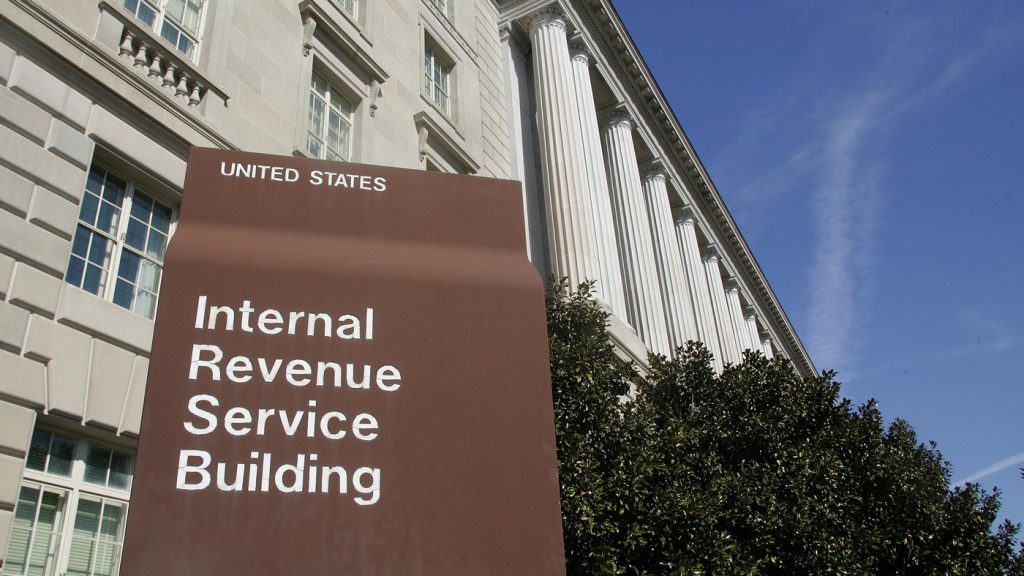
A new ITEP report explains the close parallels between the new workaround credits and existing state tax credits, including those benefiting private schools. The report comes the same day that the IRS and Treasury Department announced they would seek new regulations related to these tax credits. It notes that the SALT workarounds are emblematic of a broader weakness with the federal charitable deduction. And it cautions regulators to avoid a “narrow fix” that will only address the newest SALT workarounds (which, so far, have only been enacted in blue states) without also addressing other abuses of the deduction, which have…
New York Times: I.R.S. Warns States Not to Circumvent State and Local Tax Cap
May 24, 2018
Carl Davis, the research director for the Institute on Taxation and Economic Policy in Washington, said that Alabama provides a 100 percent state tax credit for taxpayers who donate money to organizations that give children vouchers to attend private school. Under its new law, New York gives an 85 percent state tax credit to residents […]
State Rundown 5/23: Special Sessions Abound Amid Budget Vetoes, Stalemates, Federal Tax Bill
May 23, 2018 • By ITEP Staff
This week the governors of Louisiana and Minnesota both vetoed budget bills, leading to another special session in Louisiana and unanswered questions in Minnesota, and Missouri legislators managed to push through a tax shift bill just before adjourning their regular session and heading right into a special session to impeach their governor. Wisconsin and Wyoming localities are both looking at ways to raise revenues as state funding drops. And our What We're Reading section contains helpful pieces on changing demographics, the effects of wealth inequality on families with children, and the impacts of the Supreme Court sports gambling and online…
State Efforts to Shield Taxpayers From SALT Cap Expose Deeper Flaws with Tax Incentives for Charitable Contributions
May 23, 2018 • By Carl Davis

Long before the tax law passed, some states abused the idea of charitable giving to funnel public money to various activities, such as private K-12 education, by reimbursing up to 100 percent of their taxpayers’ donations with tax credits. The flimsy, hastily-written SALT deduction cap enacted last year made this type of gaming even easier than before, and it was entirely predictable that states would respond by enacting more tax credits of this type.
SALT/Charitable Workaround Credits Require a Broad Fix, Not a Narrow One
May 23, 2018 • By Carl Davis
The federal Tax Cuts and Jobs Act (TCJA) enacted last year temporarily capped deductions for state and local tax (SALT) payments at $10,000 per year. The cap, which expires at the end of 2025, disproportionately impacts taxpayers in higher-income states and in states and localities more reliant on income or property taxes, as opposed to sales taxes. Increasingly, lawmakers in those states who feel their residents were unfairly targeted by the federal law are debating and enacting tax credits that can help some of their residents circumvent this cap.
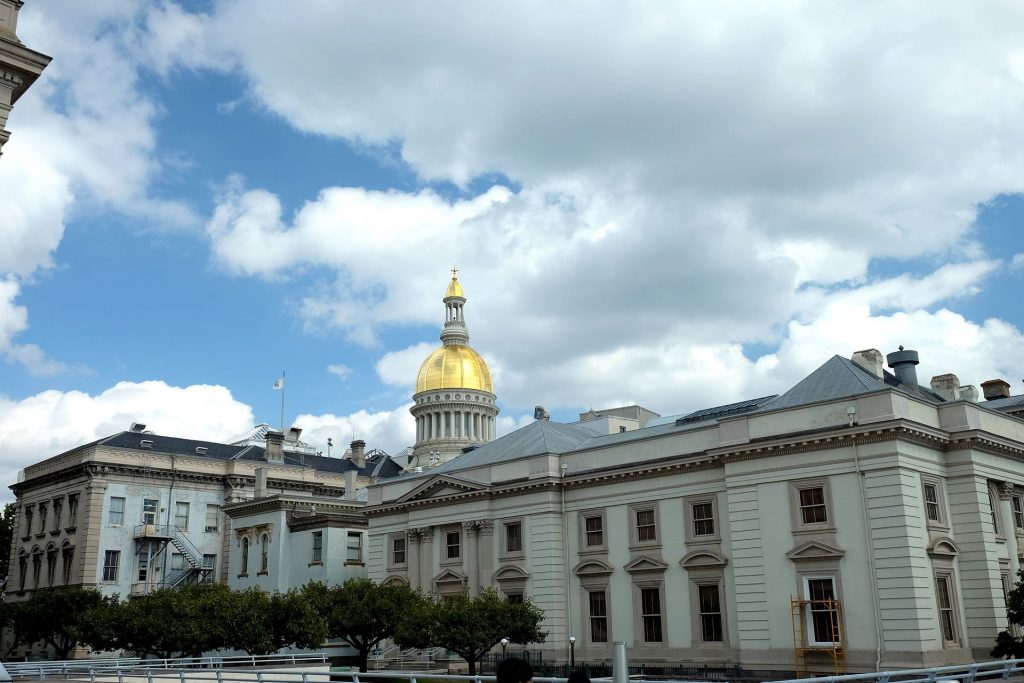
New Jersey’s new governor, Phil Murphy campaigned on a promise to raise state income taxes on millionaires, a proposal that is supported by 70 percent of the state and was, until recently, backed by New Jersey’s Senate President, Steve Sweeney. In recent months, Sweeney changed his position on the proposed millionaires tax and called for an increase in New Jersey’s corporate tax instead. The idea of hiking taxes on corporations is not a bad one, particularly since corporations received a windfall from the Tax Cuts and Jobs Act. But Sweeney’s new opposition to an income tax hike for the state’s…
Politico: Trump Store Collecting Online Sales Tax after Criticism
May 4, 2018
The research director of the liberal-leaning Institute on Taxation and Economic Policy, Carl Davis, said in a blog post Thursday that “the Trump Organization quietly updated TrumpStore.com’s sales tax information page this week to indicate that the company will now collect sales tax in New York.” Read more
Business Insider: The Trump Org Just Quietly Announced It Is Collecting Sales Tax in a New State
May 4, 2018
New York’s addition to the list of states where TrumpStore.com collects sales tax, which previously included Louisiana, Florida, and Virginia, was first spotted Thursday by the Institute on Taxation and Economic Policy, a nonpartisan think tank. “Refusing to collect sales tax in New York was a risky move, and it’s not surprising that they’ve reversed course,” […]
Politico Morning Tax: Yeah, That’s a Nexus
May 4, 2018
The Trump Store has started collecting sales tax on online purchases from customers in New York, a state where it most certainly seemed to have the physical presence required for collection — a Manhattan flagship store. The liberal Institute on Taxation and Economic Policy noted that update on the store’s website. In all, the store […]
Washington Post: Wisconsin Gov. Scott Walker is sending 671,000 families an election-year check
May 3, 2018
Tax experts said the only similar recent tax break that came to mind was in 2014, when New York Gov. Andrew M. Cuomo (D) pushed through a more targeted, three-year tax package aimed at middle-class families ahead of his reelection bid, according to Meg Wiehe, a tax expert at the Institute on Taxation and Economic […]
Under Pressure, Trump Organization Abandons Risky Sales Tax Avoidance Strategy in New York. Will It Face Penalties for Taxes it Did Not Collect?
May 3, 2018 • By Carl Davis

While President Trump was busy publicly shaming Amazon for failing to collect some state and local sales taxes, his own business’s online store was not only failing to collect the same taxes, but was arguably more aggressive than Amazon in refusing to do so. As of last month, TrumpStore.com was not even collecting sales tax in New York State despite having a “flagship retail store” inside Trump Tower, in Manhattan. As ITEP pointed out at that time: “It seems likely that the presence of a New York location should be enough to put TrumpStore.com within reach of New York’s sales…
Bloomberg BNA: Higher Gas Prices May Mean Paying States More in Taxes
May 1, 2018
As a result, a few states will see revenue gains from higher prices because their tax rates are tied to the price of fuel, rather than its volume, Carl Davis, research director for the left-leaning Institute on Taxation and Economic Policy, told Bloomberg Tax. Those states include California, Connecticut, Kentucky, Maryland, Nebraska, New Jersey, New […]
Washington Post: Democrats’ Tax Plan Looks an Awful Lot Like a Big Giveaway to the Wealthy
April 26, 2018
Some Democratic-led states are also moving forward with plans that would offset the tax benefits for the rich, with New Jersey Gov. Phil Murphy (D) acting swiftly to enact a millionaire’s tax, according to Meg Wiehe, deputy director of ITEP, who noted Murphy has acknowledged the workaround may help the rich. Cuomo has rebuffed similar […]
New York Times: Amazon’s Critics Get New Life with Trump’s Attacks on the Company
April 22, 2018
When Mr. Trump bashes Amazon for not collecting taxes, he is echoing long-running criticism of the company by the Institute on Taxation and Economic Policy, a nonpartisan research organization. Amazon collects sales tax in states that have one for items it sells directly to shoppers, but in most states it does not when shoppers buy […]
State Rundown 12/31/9999: IRS Glitch and Legislative Impasses Extend Tax Season
April 20, 2018 • By ITEP Staff
This week the IRS website asked some would-be tax filers to return after December 31, 9999. State legislators don't have quite that much time, but are struggling to wrap up their tax debates on schedule as well. Iowa legislators, for example, are ironically still debating tax cuts despite having run out of money to cover their daily expenses for the year. Nebraska's session wrapped up, but its tax debate continues in the form of a call for a special session and the threat of an unfunded tax cut going before voters in November. Mississippi's tax debate has been revived by…
