This year a quartet of states raised income tax rates on high-income people to fund crucial services and make progress toward remedying the regressive tilt of their tax codes. Washington was the first to act this year, becoming the first state in 35 years to implement a new personal income tax (in this case, applied exclusively to millionaires). Within a matter of weeks Maine, Hawaiʻi, and Rhode Island raised their top tax rates on affluent families as well.
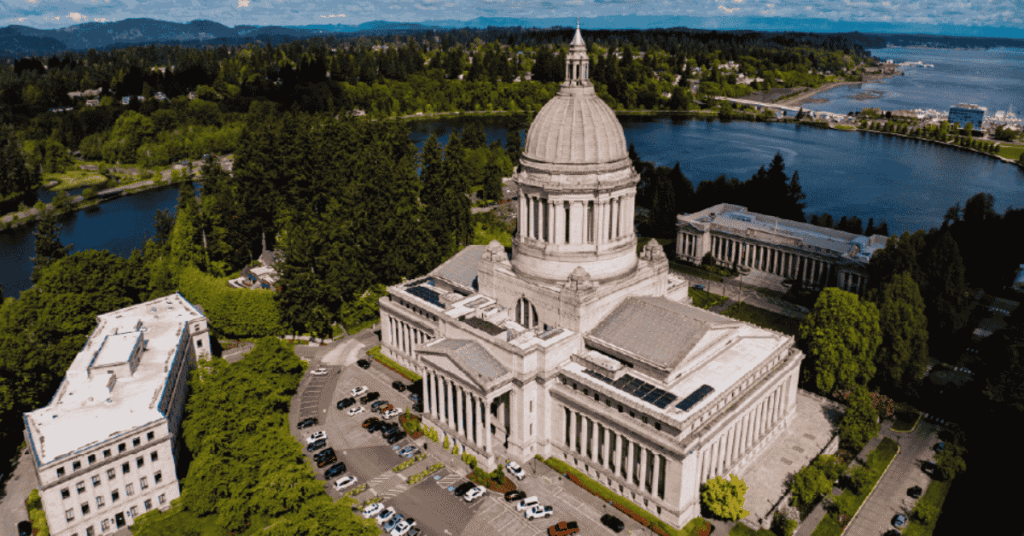
Washington’s new millionaires’ tax is a monumental development for revenue and tax equity in the state. The new policy – a 9.9 percent tax on income over $1 million (single filers) and $1.5 million (joint filers) – is projected to raise $3 billion in 2029, after it goes into effect in 2028. That revenue will pay for investments in public education and childcare and help fund a sizable expansion to Washington’s Working Families Tax Credit, the state’s EITC, boosting the incomes of low- and moderate-income families.
Washington’s tax structure has long been woefully unequal. In ITEP’s most recent Who Pays? report, it ranked as the second most regressive state and local tax system in the country, as Gov. Ferguson noted when he signed the millionaires’ tax. Once this law goes into effect, the richest 1 percent will no longer pay the lowest effective tax rate in the state – marking an important step toward making the state’s tax system more equitable.
Lawmakers in Hawaiʻi, Maine, and Rhode Island also brought balance to their tax systems and raised revenue by taxing those at the top of the income scale.
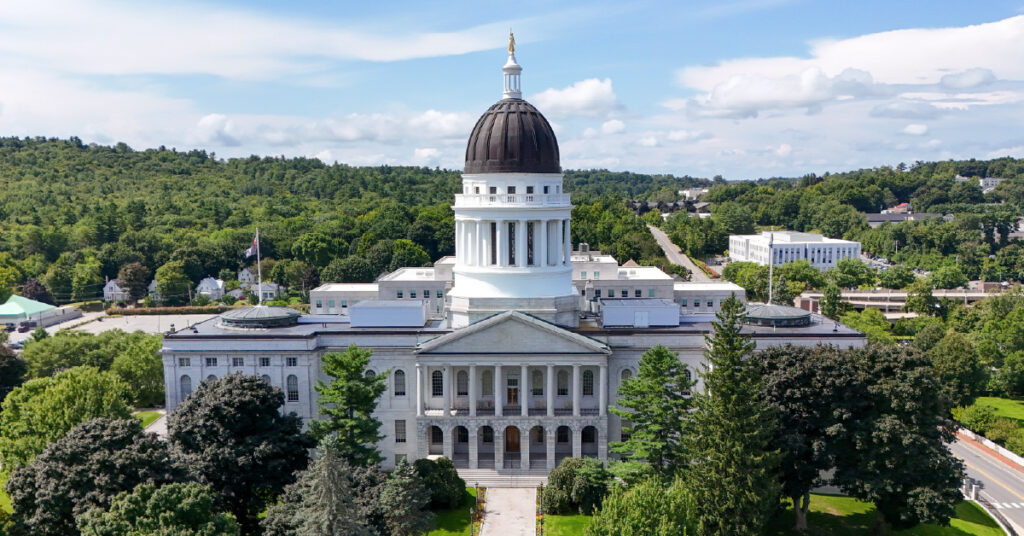
- Maine passed a millionaires’ tax – a 2 percent surcharge on income over $1 million – which is estimated to raise $100 million in new revenue each year beginning in fiscal year 2027.
- Rhode Island passed a 3 percent surcharge on taxable income over $1 million. The tax will phase in over three years, set at 1 percent next year, 2 percent in tax year 2028, and 3 percent beginning in 2029. Once fully phased in, the tax is estimated to raise more than $150 million a year.
- Hawaiʻi, in response to federal cost shifts and recent, deep state tax cuts, created a new top bracket of 13 percent – effectively a 2 percent surcharge – for filers with incomes above $500,000 (single filers) and $1 million (joint filers). This change will bring in more than $70 million a year.
Beyond personal income tax changes, a handful of states and cities (Illinois, New York, and Utah) moved toward more robust taxation of businesses and second homes.
- Both Utah and Illinois joined the growing group of states choosing to tax a rapidly expanding and evolving advertising industry that is increasingly reliant on using personal data to manipulate consumer behavior through social media and other platforms. Utah will now tax targeted advertising revenue of companies that raise at least $1 million in such revenue in the state, raising more than $20 million in 2029 and annually thereafter. Illinois passed a 10 percent tax on providers of targeted advertising and a social media platform fee to be paid for by social media companies.
- New York extended the state’s corporate tax surcharge, bringing in roughly $1.3 billion a year. The extension maintains the top rate of 7.25 percent for 3 years, rather than allowing it to drop to 6.5 percent.
- New York also passed a new tax for high-value second homes (worth $5 million or more) in New York City, our nation’s largest city. The tax, similar to a law in Montana, is expected to generate $500 million in revenue in its first year.
The flurry of progressive revenue raising in the states this year has been partly in response to the deeply unpopular package of 2025 federal tax and spending cuts passed by Congress and signed into law by President Trump. As a result of that new law and other federal actions, states are facing new costs for healthcare, food assistance, and more. This is forcing them to approach their budgets more carefully than in years past. In many states, lawmakers are stepping up by declining to fold new, ineffective, costly, and regressive federal tax changes into their own codes, and by raising revenue from those with the greatest ability to pay.
This trend toward fairer state tax codes is not new, though it seems to be accelerating. Eleven states and the District of Columbia have raised revenues over the past five years to protect and enhance investments in education, childcare, healthcare, transportation, and more. The policies have varied – including increases on income tax and business tax rates, higher taxes on income from wealth, and new or higher taxes on high-end homes, to name a few. But the results are clear: deeper investment in people and communities, and meaningful improvements to the equity of those state and local tax systems.