
Blog
1390 posts
Microsoft Reports a 2.44 Percent Federal Tax Rate on a Record $101 Billion in Profits
July 29, 2026 • By Matthew Gardner

Microsoft avoided federal income tax on almost all of its U.S. income for fiscal year 2026. The company’s 2.44 percent federal tax rate on over $100 billion of U.S. income is largely attributable to tax breaks that were either created or expanded by Republican tax cuts enacted at the behest of President Donald Trump in 2017 and 2025.
State Rundown 7/29: The Misguided, Miserly Missouri Amendment to Eliminate the Income Tax
July 29, 2026 • By ITEP Staff
Missouri voters are facing a major decision at the ballot box next week on Amendment 5, which would amend the state constitution to allow lawmakers to eliminate the individual income tax and expand the state’s sales tax on any good or service to make up for lost revenue.
Flying Under the Tax Radar: How Profitable Airlines Avoided Federal Income Taxes in 2025
July 27, 2026 • By Sarah Buttikofer, Spandan Marasini

Corporate tax disclosures reveal that five profitable airlines paid almost nothing in federal income tax last year. In 2025, the effective federal income tax rates of these airlines ranged from 1.07 percent to below zero.
The Campaign by Former Democratic Officials to Stop Taxes on the Wealthy Is Back
July 24, 2026 • By Steve Wamhoff

A former Democratic senator from Nebraska has joined Saving America’s Family Enterprises and taken up its cause of opposing wealth taxes.
Congressional Republicans Say D.C. Shouldn’t Be Allowed to Run Its Own Tax System
July 23, 2026 • By Matthew Gardner
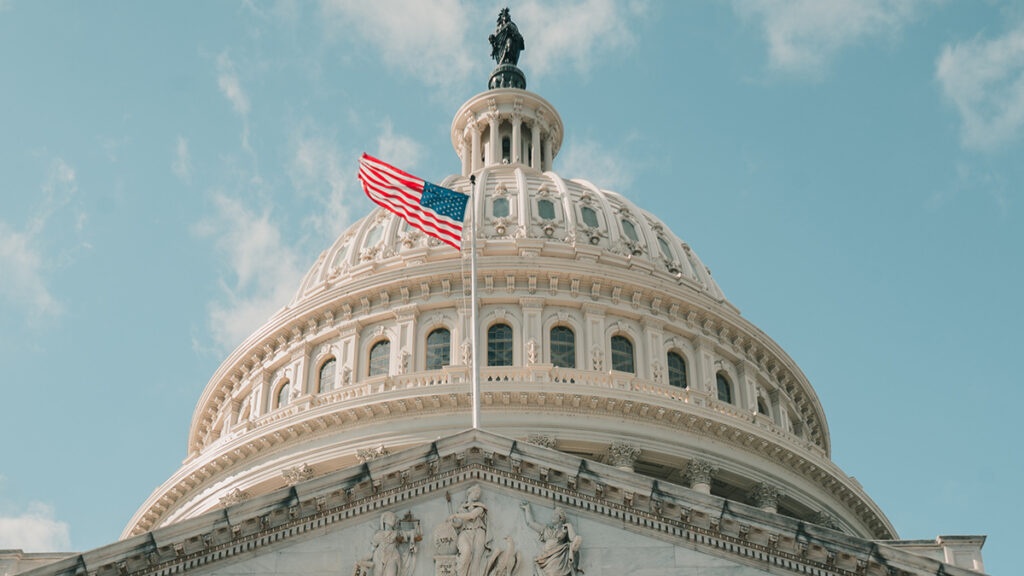
This week a U.S. House of Representatives committee approved a bill that would effectively take away Washington, D.C.’s fiscal autonomy, requiring Congressional approval of any new D.C. laws that increase taxes or fees.
Localities Try Vacant Land Taxes, Mansion Taxes and Second Home Taxes
July 21, 2026 • By Rita Jefferson

In 2026, cities, counties, and school districts must manage tax cuts coming from federal and state governments, the end of federal pandemic aid, rising costs, and a stagnant economy. This challenging environment is forcing municipalities of all types to ask how they can best fund core priorities and invest in communities in the long term.

As many states enter a new fiscal year this month, it’s an ideal time to take a closer look at a major but often overlooked category of government spending: tax expenditures. To make these programs easier to explore and compare, ITEP has updated its state-by-state tax expenditure reports resource.
New Legislation Would Require Big Multinationals to Tell Shareholders Where They’re Hiding Offshore Profits
July 16, 2026 • By Matthew Gardner

Sen. Chris Van Hollen introduced legislation requiring big multinational corporations to tell shareholders and the public what they’re already telling tax authorities behind closed doors: how much income they’re booking in specific offshore tax havens and how little tax they’re paying to these jurisdictions.
Trump Administration Says Shining Light on Corporate Tax Avoidance is ‘Very Dangerous’
July 14, 2026 • By Matthew Gardner

Administration officials appear far more concerned about the public knowing too much about how U.S. corporations shift their income into offshore tax havens.
As our nation celebrates and reflects 250 years since its adoption of the Declaration of Independence, several states have moved to pass lingering budgets.
2026 Sessions in Review: States Fund Tax Credits by Preserving, Raising Revenue
July 2, 2026 • By Aidan Davis

In a year of cautious uncertainty around current and ongoing revenues, many state lawmakers strengthened their tax credits for families and children.
America at 250: It’s Time for a Tax Code That Lives Up to Our Ideals
July 1, 2026 • By Brakeyshia Samms

After 250 years, our leaders must show a commitment to completing the unfinished work of American democracy.
New EU Disclosure Requirements Are Helping Identify Corporate Tax Avoiders
June 30, 2026 • By Matthew Gardner
Microsoft reports a huge share of its worldwide profit in low-tax Ireland and is achieving this despite having a very small share of its employees there. As other companies make similar disclosures between now and the end of calendar year 2026, investors and the public will likely get a much clearer sense of how much profit corporations are hiding offshore—and how much tax they’re avoiding by doing so.
2026 Sessions in Review: States Move to Tax the Rich and Corporations
June 29, 2026 • By Aidan Davis

This year several states raised income tax rates on high-income people to fund crucial services and make progress toward remedying the regressive tilt of their tax codes.
A Year Later, Many States Have Decided Not to Double Down on Trump’s Tax Cuts
June 25, 2026 • By Nick Johnson

Nearly one year after the Trump tax law was signed, many of the 42 states with income taxes are declining to incorporate significant parts of the new law into their own tax codes.
It's the first official week of summer, and while many of us are planning vacations, state lawmakers remain busy finalizing and debating tax proposals.

Corporate tax reforms could be more resilient than proposals to tax wealth or unrealized capital gains while achieving the same goal of more adequately taxing the income of billionaires.

If Juneteenth is to mean anything beyond symbolism, it must also be a call to confront the policies that continue to shape racial inequities today. One of the most powerful drivers of that inequity is our tax system.
Rhode Island Budget Bets on Tax Fairness with Millionaires’ Tax and New Child Tax Credit
June 12, 2026 • By Miles Trinidad

The spending plan, signed into law by Gov. Dan McKee today, features a new millionaires’ tax, the state’s first permanent child tax credit, expanded eligibility for its Social Security exemption , and strategic decoupling from federal business tax provisions.
The Final Frontier of Tax Avoidance: Elon Musk’s SpaceX Has $1.9 Billion to Gain from Defunding the IRS
June 12, 2026 • By Matthew Gardner

A year after Elon Musk’s Department of Government Efficiency (DOGE) cut a swath of destruction through vital federal agencies including the Internal Revenue Service, Musk’s apparent antipathy toward the IRS suddenly makes more sense.
As we head into summer, many state legislatures are in the final stretches of their sessions. Rhode Island moved another step closer to joining the ranks of Washington, Maine, and Hawai’i in enacting a new high-income surcharge this year.

ITEP’s report on taxing advertising identifies some reasons why states are curtailing longstanding sales tax exemptions for the ad sector.

As rising costs strain our community and household budgets, Philadelphia Mayor Cherelle Parker’s proposed taxes attempted to patch gaping holes with meager solutions.

We estimate that by 2032, QSBS will be costing states $1.1 billion a year, and since states must balance their budgets, that’s money they can’t use for public services.

An advertising tax offers a way to raise significant money from a sector of the economy that has been getting a free ride for decades.
Blog Categories

Institute on Taxation
and Economic Policy
ITEP is a non-profit, non-partisan tax policy organization. We conduct rigorous analyses of tax and economic proposals and provide data-driven recommendations to shape equitable and sustainable tax systems.
Subscribe to ITEP Emails
Tax research and policy news in your inbox.
Promote Fair Tax Policy
Your gift to ITEP promotes tax justice. With your help, we do research that supports taxing millionaires and billionaires, taxing big corporations and raising revenue for the things our people, our communities and our planet need.
Together, we can create a country with more economic justice, more racial justice, more climate justice… and more tax justice.