
Corporate Taxes
Year One of Trump-Republican Tax Policy: The Consequences
April 6, 2026 • By Michael Ettlinger
President Trump has dramatically increased tariff taxes, enacted large tax cuts that primarily benefit the wealthy and corporations, dramatically curtailed IRS enforcement, and issued legally problematic regulations.
How to Make the Rich and Corporations Pay for This Unpopular War
March 25, 2026 • By Michael Ettlinger

The war is widely unpopular. Whether the cost of the war ends up being $200 billion, more than that amount, or less, let’s at least have it paid for by those who can most afford it.
State Rundown 3/18: New Mexico Enacts Most Significant Corporate Tax Reform of the Year
March 18, 2026 • By ITEP Staff
As states lawmakers continue to weigh their linkages to the federal tax code in light of the recent federal tax law, New Mexico provides a blueprint for limiting multinational corporate tax avoidance.
How Four Big Pro-Trump Tech Companies Avoided Taxes
March 17, 2026 • By Steve Wamhoff, Matthew Gardner

The leaders of Alphabet, Amazon, Meta, and Tesla publicly supported Trump to ensure the most favorable corporate tax policies possible. And Trump delivered for them, both in his 2017 tax bill and again in 2025 with the so-called One Big Beautiful Bill Act.
States Should Be Doing More About Corporate Tax Avoidance. New Mexico’s Tax Conformity Law Shows How.
March 17, 2026 • By Carl Davis

On top of declining to fold large federal business tax cuts into state law, New Mexico also took the monumental step of hardening the state’s corporate tax base against offshore profit shifting.
State Rundown 3/12: Washington Lawmakers Pass Millionaires’ Tax, Expand Working Families Tax Credit
March 12, 2026 • By ITEP Staff
Washington is on its way to making history after the legislature approved the “millionaires’ tax,” a 9.9 percent tax on income over $1 million. The bill, which is expected to raise more than $3 billion a year, making significant investments in public education and childcare, will also expand the Working Families Tax Credit – the […]
As many state legislative sessions near or cross the halfway point, lawmakers are facing tough choices.
New Income Tax Disclosure Rules Mean Halliburton Can No Longer Conceal Its Offshore Tax Avoidance
March 2, 2026 • By Matthew Gardner

The company’s latest annual report throws the doors wide open once again on Halliburton’s penchant for offshoring its profits to tax havens, thanks to terrific new disclosure rules introduced by an obscure but vital agency, the Financial Accounting Standards Board (FASB).
Cheniere Energy Gets $380 Million Gift from Trump’s Treasury Department
February 26, 2026 • By Matthew Gardner

Cheniere Energy's latest annual financial report shows the company reaped a cool $380 million in tax cuts from a single regulatory change made by the Trump administration last fall.
Nvidia’s Tax Bill Shows It’s Not Just Zero-Tax Corporations That Hurt Our Budget Deficit the Most
February 26, 2026 • By Matthew Gardner

Semiconductor giant Nvidia reported avoiding $6.8 billion in federal income taxes last year. The company did this in a year when it reported greater earnings growth than almost any corporation in history, with U.S. pretax income coming in at an astonishing $123 billion.
Yum! Brands’ Recipe for Tax Avoidance: Trump Tax Cuts with a Dash of Malta
February 24, 2026 • By Matthew Gardner

the fast-food multinational that owns KFC, Taco Bell, and Pizza Hut reported this week that it made $1 billion of pretax profits in the U.S. last year—and didn’t pay a dime of federal income taxes on those profits.
State-by-State Estimates of the First Year of Trump’s Tax Policies: All But the Richest Americans Face Higher Taxes
February 23, 2026 • By Steve Wamhoff, Michael Ettlinger
As a result of the tax policies approved by President Trump and the Republican majority in Congress, all but the richest Americans are paying higher taxes on average in 2026 than they did last year.
Live Nation Entertainment Says Trump Tax Law Drove its 2025 Federal Income Tax Bill to Zero
February 20, 2026 • By Matthew Gardner

The company paid zero federal income tax in 2025 despite reporting $145 million of U.S. profits.
Trump Administration Provides Biggest Illegal Tax Cuts Yet for Billion-Dollar Corporations
February 20, 2026 • By Amy Hanauer
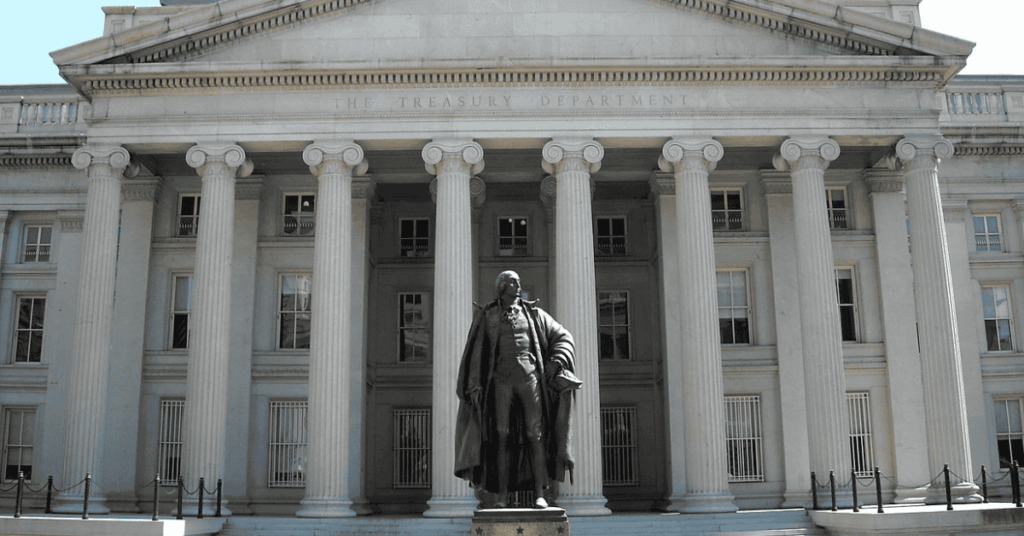
The Treasury Department is unilaterally cutting corporate taxes with regulations that ignore the statute they claim to implement, disregarding the separation of powers between the branches of government that has defined how America works for more than two centuries.
It’s Time for States to Jettison Nonsensical FDDEI Deductions
February 19, 2026 • By Carl Davis
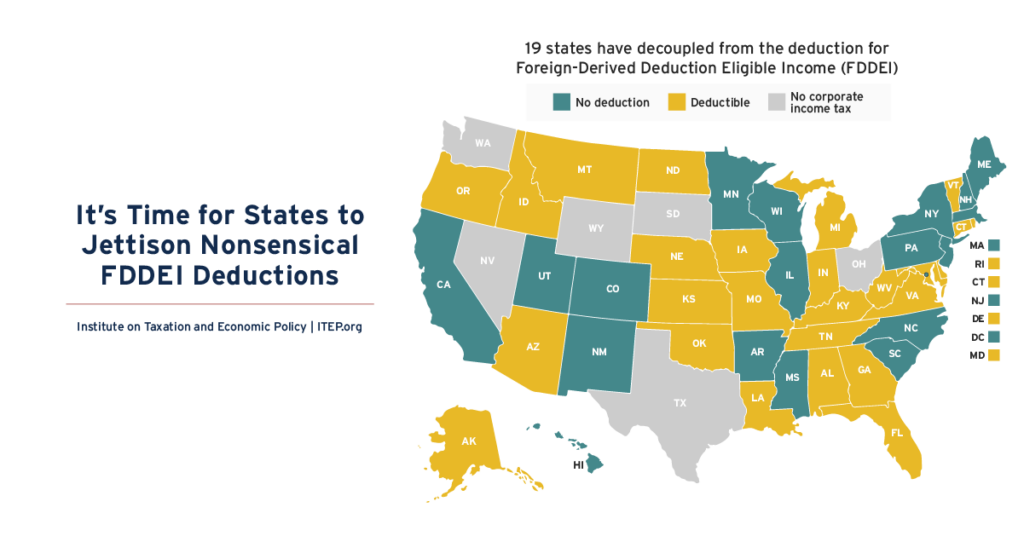
FDDEI deductions should be repealed for policy reasons alone as they do not serve a legitimate purpose at the state level.
Palantir Pays Zero Federal Income Tax Despite Explosive Growth, Largely Due to Trump Tax Law
February 17, 2026 • By Matthew Gardner

Palantir reported $1.5 billion of U.S. income but paid exactly zero federal income tax in 2025. Despite explosive growth, tax breaks from the Trump tax law helped Palantir avoid paying even a dime of federal income tax on its earnings.
Michigan Ballot Proposal Would Boost Public Education While Creating a Fairer Tax System
February 17, 2026 • By Miles Trinidad, Matthew Gardner

A new proposal in Michigan would create a 5-percentage point surcharge on top earners with taxable incomes over $1 million for joint filers and $500,000 for single filers. This would raise about $1.7 billion a year, which would be used for public education priorities.
NCTI is an Important Part of the Federal Corporate Tax. States Should Adopt It Too.
February 12, 2026 • By Carl Davis
Including NCTI in state corporate tax law is an effective way to neutralize much of the tax avoidance that occurs when multinational companies artificially shift their profits into overseas tax havens.
State Rundown 2/11: This Valentine’s Day, Conscious Decoupling Is Our Love Language
February 11, 2026 • By ITEP Staff
While some may be excited for a romantic Valentine’s Day this weekend, many state lawmakers are breaking up and decoupling from recent federal tax changes that are poised to leave states with revenue shortfalls – much like a bad date who forgets their wallet and asks you to pick up the tab.
Trump Undermined the Constitution to Give Corporations a $10 Billion Tax Cut
February 10, 2026 • By Matthew Gardner

This unilateral corporate tax cut from the Trump administration will cost $10 billion over a decade unless it is reversed.
What Did 2025 State Tax Changes Mean for Racial and Economic Equity?
February 9, 2026 • By Brakeyshia Samms

The results are a mixed bag, with some states enacting promising policies that will improve tax equity and others going in the opposite direction.
Four Big Tech Companies Avoid $51 Billion in Taxes in Wake of One Big Beautiful Bill Act
February 6, 2026 • By Matthew Gardner

Four of the corporations whose CEOs flanked President Trump at his 2025 inauguration ceremony have now disclosed that they collectively received $51 billion in federal tax breaks in 2025, much of that likely from the One Big Beautiful Bill Act (OBBBA).
An Anti-Affordability Agenda: Trump’s Advisors Call on States to Raise Taxes on the Working Class and Drastically Cut Taxes for the Rich
January 29, 2026 • By Carl Davis

The Trump administration’s Council of Economic Advisors suggests that states consider drastically raising sales taxes and using those new revenues to pay for repealing taxes on corporate and personal income. Working-class families would face dramatic tax increases while the nation’s wealthiest families would see their state tax bills plummet.
Tesla Reported Zero Federal Income Tax on $5.7 Billion of U.S. Income in 2025
January 29, 2026 • By Matthew Gardner

Tesla enjoyed almost $5.7 billion of U.S. income in 2025 but paid $0 in federal income tax. Over the past three years, the Elon Musk-led company reported $12.5 billion of U.S. income on which its current federal tax was just $48 million.
Intuit Helped Limit Americans’ Tax Filing Options While Raking in Millions in Tax Breaks
January 28, 2026 • By Joe Hughes

As tax filing season begins, families have fewer options than last year, thanks to the heavy lobbying efforts of big tax-preparation corporations like Intuit (the parent company of TurboTax).
