
Income Taxes
How to Make the Rich and Corporations Pay for This Unpopular War
March 25, 2026 • By Michael Ettlinger

The war is widely unpopular. Whether the cost of the war ends up being $200 billion, more than that amount, or less, let’s at least have it paid for by those who can most afford it.
States Like Missouri Are Seeking to Raise Taxes on the Working Class to Cut Taxes for the Rich
March 25, 2026 • By Eli Byerly-Duke

A proposal to replace the Missouri personal income tax with a higher sales tax would increase costs for low- and middle-income households while giving the richest Missourians an average annual tax cut of almost $40,000.

Sen. Chris Van Hollen has recently introduced the Working Americans’ Tax Cut Act, which offers a generous middle-class tax cut paid for with a new tax on millionaires.
Washington Millionaires’ Tax, Expanded Working Families Tax Credit Make Tax Code Fairer
March 12, 2026 • By Marco Guzman, Dylan Grundman O'Neill
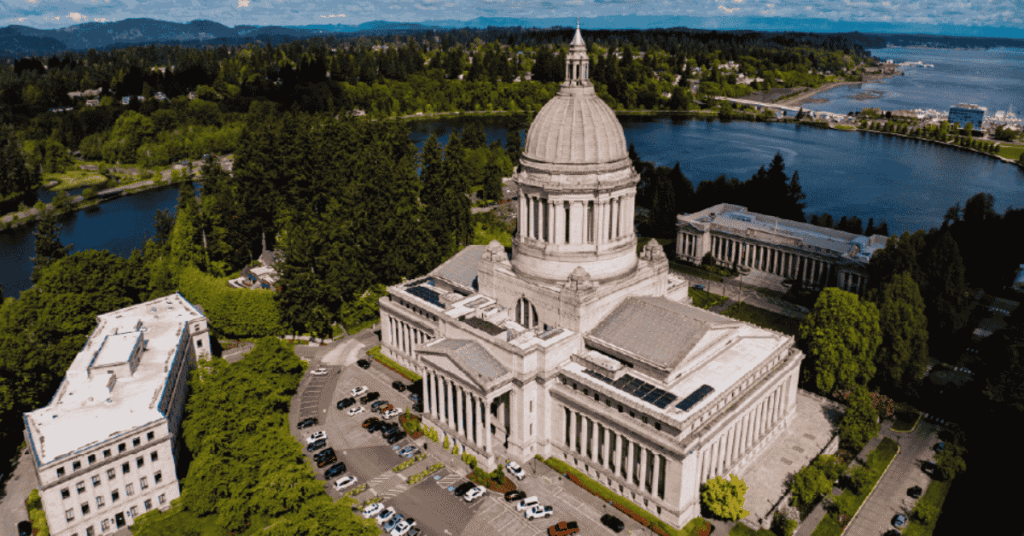
The Washington legislature has approved a new "millionaires' tax," a 9.9 percent tax on income over $1 million. The bill, which makes significant investments in public education and child care, will also expand the Working Families Tax Credit – the state’s EITC – to reach an additional 460,000 households.
As many state legislative sessions near or cross the halfway point, lawmakers are facing tough choices.
National Sausage Month isn’t until October, but now is the time of year when state lawmakers are really diving into their sausage-making processes, as separate legislative houses and oftentimes political parties send competing bills, budgets, and visions back and forth to grind out their differences.
State Rundown 2/19: Necktie (NCTI) Offers a Way Out of a Knotty Situation
February 19, 2026 • By ITEP Staff
State lawmakers are grappling with a range of challenges as their fiscal outlooks deteriorate, federal tax enforcement wanes (after the Trump administration cut the IRS workforce by 25 percent), and a rewritten federal tax code sends states scrambling to decide what changes they might want to make in their own codes.
State Rundown 2/11: This Valentine’s Day, Conscious Decoupling Is Our Love Language
February 11, 2026 • By ITEP Staff
While some may be excited for a romantic Valentine’s Day this weekend, many state lawmakers are breaking up and decoupling from recent federal tax changes that are poised to leave states with revenue shortfalls – much like a bad date who forgets their wallet and asks you to pick up the tab.
What Did 2025 State Tax Changes Mean for Racial and Economic Equity?
February 9, 2026 • By Brakeyshia Samms

The results are a mixed bag, with some states enacting promising policies that will improve tax equity and others going in the opposite direction.
Four Big Tech Companies Avoid $51 Billion in Taxes in Wake of One Big Beautiful Bill Act
February 6, 2026 • By Matthew Gardner

Four of the corporations whose CEOs flanked President Trump at his 2025 inauguration ceremony have now disclosed that they collectively received $51 billion in federal tax breaks in 2025, much of that likely from the One Big Beautiful Bill Act (OBBBA).
Despite wintry conditions across much of the country, that hasn’t stopped state lawmakers from debating major tax policy changes.
Meta’s Federal Tax Rate Hits an All-Time Low Due to Breaks Expanded by Trump Tax Law
February 4, 2026 • By Matthew Gardner

The company paid an effective federal income tax rate of just over 3.5% in 2025, the lowest it has recorded since the company went public as Facebook in 2012.
An Anti-Affordability Agenda: Trump’s Advisors Call on States to Raise Taxes on the Working Class and Drastically Cut Taxes for the Rich
January 29, 2026 • By Carl Davis

The Trump administration’s Council of Economic Advisors suggests that states consider drastically raising sales taxes and using those new revenues to pay for repealing taxes on corporate and personal income. Working-class families would face dramatic tax increases while the nation’s wealthiest families would see their state tax bills plummet.
As state legislative sessions ramp up across the country, property taxes are one of many issues dominating tax policy conversations in statehouses.
State Rundown 1/22: Cautious Tone Noticeable in Most Statehouses
January 22, 2026 • By ITEP Staff
Most states are adopting a very cautious approach so far this year as legislators begin their sessions and governors make their annual addresses, thanks to ongoing economic uncertainty and federal retrenchment.
States Can Push Back Against Reckless Federal Tax Policy. Here’s How.
January 22, 2026 • By Aidan Davis, Wesley Tharpe

They should take steps to protect and boost their own revenues. And they should take a second look at their own tax cuts.
State Rundown 1/14: New Year Brings New Resolutions for Funding Key Priorities
January 14, 2026 • By ITEP Staff
State governors are beginning to lay out their top priorities as legislatures reconvene in statehouses around the country.
Curbing Tax Deductions for Executive Pay is a Federal Tax Change States Should Get Behind
January 9, 2026 • By Matthew Gardner

This provision in last summer’s tax law could actually make budget-balancing a little bit easier for states if they follow suit.
Show Me Where We’re Going: Missouri’s Fiscally Irresponsible Path Will Be Paid for by Everyday People
January 8, 2026 • By Logan Liguore

Missouri lawmakers have been pushing regressive and shortsighted tax policies that undermine everyday workers and sabotage the Show-Me State’s ability to raise revenue.
Associated Press: Georgia Republicans Move to Scrap State Income Tax by 2032 Despite Concerns
January 8, 2026
Eliminating state income taxes sounds great to many voters, but Republicans backing the push in multiple states still face questions about whether such big tax cuts can be made without raising other taxes or sharply cutting state funding for education, health care and other services. Read more.
State Rundown 1/7: New Year, New Opportunities for Progressive Revenue
January 7, 2026 • By ITEP Staff
As we kick off a new year, several states are facing revenue shortfalls. Some lawmakers are approaching the challenge with sustainable and equitable solutions.
Washington Governor’s Office: Governor Ferguson Announces Support for Millionaires’ Tax
January 6, 2026
Washington ranks next to last for fairness and equality in our tax system — meaning those who make the least pay much larger shares of their income than those with the most resources. Washington families whose income is in the bottom 20% pay 13.8% of their total income in taxes, while those whose income is […]
Linking to Tipped and Overtime Income Deductions Would Worsen State Shortfalls, Do Little to Help Workers
December 8, 2025 • By Neva Butkus, Galen Hendricks

State deductions for tips and overtime are not only ineffective at supporting working-class people, it will come at a substantial cost to state budgets.
Conforming to the ‘No Tax on Tips’ Gimmick Just Got Riskier and Costlier for States
November 25, 2025 • By Nick Johnson

An unknown number of workers who previously were assumed to be ineligible for the tax break may nonetheless claim it.
States Begin Decoupling from Flawed ‘QSBS’ Tax Break
November 6, 2025 • By Nick Johnson, Sarah Austin

A costly tax break for wealthy venture capitalists is drawing some critical attention from state policymakers.

Institute on Taxation
and Economic Policy
ITEP is a non-profit, non-partisan tax policy organization. We conduct rigorous analyses of tax and economic proposals and provide data-driven recommendations to shape equitable and sustainable tax systems.
Subscribe to ITEP Emails
Tax research and policy news in your inbox.
Promote Fair Tax Policy
Your gift to ITEP promotes tax justice. With your help, we do research that supports taxing millionaires and billionaires, taxing big corporations and raising revenue for the things our people, our communities and our planet need.
Together, we can create a country with more economic justice, more racial justice, more climate justice… and more tax justice.