
Florida
As ITEP analyst Kamolika Das wrote today, July 1 is typically the beginning of state fiscal years and “a point when one can take a step back and reflect on the wins and disappointments of the past state legislative sessions.” Not so in 2020, she writes, as uncertainty surrounding the virus, state revenues, and potential federal action give state lawmakers no such time to relax and reflect. Although most recent state actions, such as those covered below in California, Mississippi, and West Virginia, have focused on funding cuts and temporary measures to bring budgets into short-term balance, the need for…
New Fiscal Year Brings New Challenges and Opportunities in the States
July 1, 2020 • By Kamolika Das
July 1—the start of the new fiscal year in most states—typically marks a point when one can take a step back and reflect on the wins and disappointments of the past state legislative sessions. 2020 is markedly different. Nationwide business closures and stay-at-home orders in response to COVID-19 have led to unprecedented spikes in unemployment, decreased demand for consumer spending, and increased demand for vital public services. As a result, states face incredibly uncertain financial futures with little clarity regarding how their tax collections will fare over the next year.
State Rundown 6/26: States Take Varying Fiscal Approaches While Awaiting Federal Action
June 26, 2020 • By ITEP Staff
State policymakers this week took a variety of approaches to their fiscal situations amid the COVID-19 pandemic. Tennessee lawmakers chose to balance their budget through $1.5 billion in cuts to public services, but not before adding to those cuts by going forward with planned tax cuts. California legislators also passed a budget but relied on a number of temporary measures and delays to do so. Their counterparts in Massachusetts, New Jersey, and Rhode Island opted for interim budgets to tide them over for a few months while they continue to look for lasting solutions. Meanwhile, many states are debating whether…
State Rundown 5/27: Some States Finally Talking Revenue Solutions to Revenue Crisis
May 27, 2020 • By ITEP Staff
This week the immense scale and uneven distribution of economic and health damage from the COVID-19 pandemic continued to come into focus, hand in hand with greater clarity around pandemic-related revenue losses threatening state and local revenues and the priorities—such as health care, education, and public safety—they fund. Officials in many states, including Ohio and Tennessee, nonetheless rushed to declare their unwillingness to be part of any solution that includes raising the tax contributions of their highest-income residents. On the brighter side, some leaders are willing to do just that, for example through progressive tax increases proposed in New York…
Tampa Bay Times: They Pay Taxes, But There’s No Stimulus Money for Them
May 24, 2020
In Florida, passing the HEROES Act and extending the CARES Act retroactively would help an additional 277,240 people — those living in households where at least one member uses a taxpayer identification number, according to the Institute On Taxation and Economic Policy, a nonpartisan tax policy organization in Washington, D.C. Read more
Orlando Sentinel: Is Wall Street Journal right? Is Florida “well-managed?” It depends
May 22, 2020
New York’s tax burdens are relatively even. The effective rate for New York’s poorest is 11.4 percent, compared to 11.3 for the top one percent and 12.4 for the middle. The comparisons are by the Institute on Taxation and Economic Policy, which last updated them in 2018. So it’s obvious why the Journal resents New […]
State Rundown 5/20: State Revenue Crisis Getting Clearer…and Scarier
May 20, 2020 • By ITEP Staff
State policymakers are navigating incredibly uncertain waters these days as they attempt to get a firmer grasp on the scale of their revenue crises, identify painful budget cuts they may have to make in response, and look for ways to raise tax revenues coming from the households and corporations still bringing in large incomes and profits amid the pandemic—all while hoping that additional federal aid and greater flexibility in how they can use federal CARES Act funds will help relieve some of these difficult decisions.
Orlando Sentinel: Make corporations – not teachers – pay up
May 19, 2020
In fact, the Institute on Taxation and Economic Policy found that Florida families that make less than $50,000 spend 8-12% of their annual income on local and state taxes while families that make $200,000 or more spend between 2% and 4.5%. Read more
Intended Consequences: Deliberate Disinvestment Caused Florida’s Unemployment Disaster
May 4, 2020 • By Stephanie Clegg
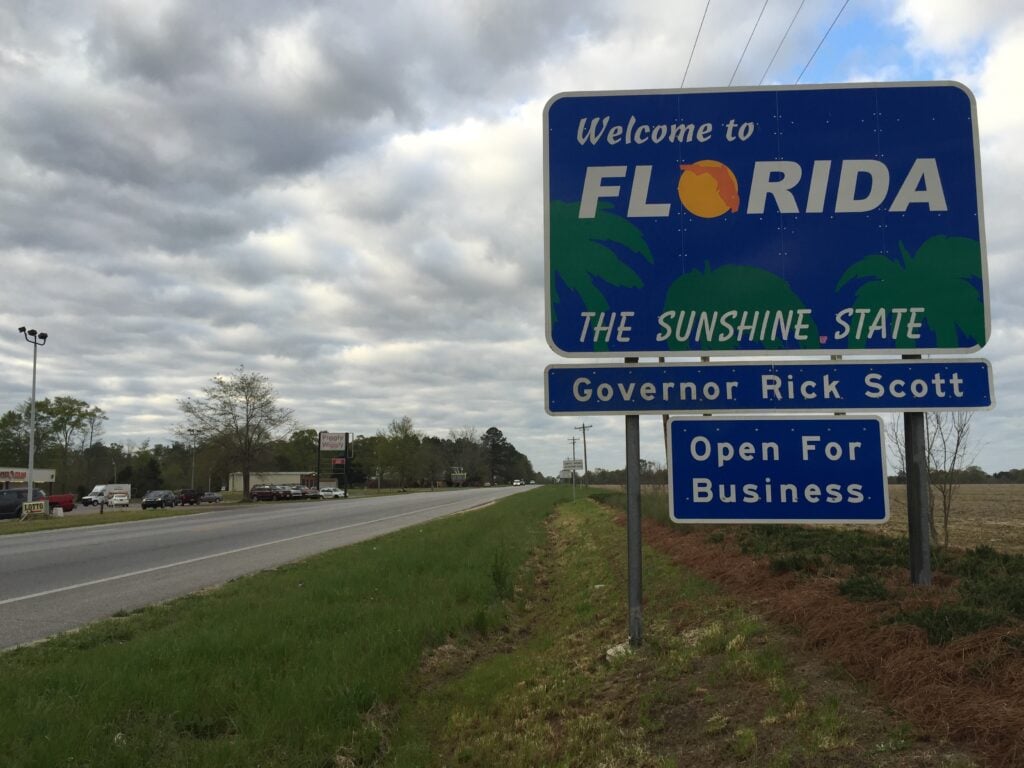
Florida politicians deliberately rigged the unemployment system after the Great Recession to avoid raising taxes on businesses. Now, in a pandemic, some out-of-work residents are left waiting more than six weeks for unemployment benefits while more than 280,000 others have been inexplicably denied. What’s happening in Florida underscores deeper challenges with systems that should help those in need, but instead are designed to fail them.

A bipartisan group of governors and senators from Louisiana to Maryland to Ohio have called for at least $500 billion in state and local fiscal relief. They also need specific help with testing, protective equipment, unemployment costs, Medicaid costs, social services, education and infrastructure. States can’t be on their own as they address the double whammy of plunging revenue and skyrocketing needs.
In different ways, Earth Day and the COVID-19 pandemic convey a similar lesson: people around the world face shared struggles and disparate impacts, which they must work together to overcome through both emergency action and systemic change. In keeping with that lesson, state fiscal policy news this week was strikingly similar around the country, as states take account of the major threat posed by the pandemic to their budgets and attempt to grapple with its disproportionate impacts on communities of color and low-income families.

The full effect of the coronavirus pandemic on state revenue streams remains largely unknown. One key policy option is to reevaluate recent misguided tax cuts—particularly those that have not yet taken full effect and will add to growing revenue shortfalls in the coming years.
Chicago Tribune: Agencies scramble to help Lake County undocumented immigrants impacted by coronavirus crisis
April 18, 2020
According to the Institute on Taxation and Economic Policy, Illinois is one of six states that derive the most revenue from taxes paid by undocumented immigrants. California, Florida, New York, Texas and New Jersey, are also on the list. Read more
State Rundown 4/15: Tax Day Delayed but Other Important Work Accelerated
April 15, 2020 • By ITEP Staff
April 15 is traditionally the day federal and state income taxes are due, but like so much else, Tax Day is on hold for the time being. Meanwhile the pandemic’s disastrous and uneven effects on communities and shared institutions are decidedly not suspended. But nor are the efforts of individuals, advocates, and policymakers to develop solutions to respond to the immediate crisis while also building better systems going forward. ITEP’s recommendations for state tax policy responses are now available here, and this week’s Rundown includes experiences and perspectives on paths forward from around the country.
State Options to Shore up Revenues and Improve Tax Codes amid Pandemic
April 15, 2020 • By Dylan Grundman O'Neill, Meg Wiehe

The COVID-19 pandemic is an extraordinarily challenging time, as we see harm and struggle affecting the vast majority of our families, businesses, public services, and economic sectors. No one will be unaffected by the crisis, and everyone has a stake in the recovery and faces tough decisions. In the world of state fiscal policy, where revenue shortfalls are likely to be far bigger than can be filled by the initial $150 billion in federal aid or absorbed through funding cuts without causing major harm, tax increases must be among those decisions. Even with more federal support, states will need home-grown…
State Rundown 4/9: Pandemic’s Fiscal Effects Slowly Coming into Focus
April 9, 2020 • By ITEP Staff
The COVID-19 pandemic continued this week to wreak havoc on lives and communities around the world. The fiscal fallout of the virus in the states is growing as well, and beginning this week to come into sharper focus. This week’s Rundown brings together what we know of that slowly clarifying picture and how states are responding so far.
Federal Relief Bill Doesn’t Go Far Enough: Q&A with Meg Wiehe
April 2, 2020 • By ITEP Staff, Meg Wiehe, Stephanie Clegg

The final version of the Coronavirus Aid, Relief and Economic Security (CARES) Act enacted last week included rebate provisions that will reach most low-, moderate- and middle-income adults and children, but not everyone. Meg Wiehe sits down for a Q&A to discuss who benefits from the rebate provision, who is excluded and how states can respond to support communities.
Sales Taxes and Social Distancing: State and Local Governments May Face Their Steepest Sales Tax Decline Ever
April 2, 2020 • By Carl Davis, ITEP Staff, Meg Wiehe
One pressing question is what will an economic downturn in which consumers are anxious, facing job loss, or simply spending their time sheltering in place and not spending money in typical ways, mean for states’ ability to raise revenue?
Bloomberg:Billion-Dollar Blows to U.S. States Crater Spending Plans
April 1, 2020
At least 38 states and territories have issued some version of a stay-at-home order, shuttering parts of the economy as residents stay inside and restaurants and stores close. The result may be the steepest drop in sales taxes ever, according to the Institute on Taxation and Economic Policy, a left-leaning think tank. States like Florida, […]
State Rundown 3/26: Pandemic’s Health and Fiscal Fallout Continues to Grow
March 26, 2020 • By ITEP Staff
This week’s Rundown brings you the most useful reading and resources about how states are affected by and responding to the COVID-19 pandemic. These include: landing pages for the most up-to-date lists of state policy responses; ITEP’s own materials on state policy options and the federal response bills; insights on how a race-forward approach can improve these efforts at all levels; updates on state fiscal troubles and legislative postponements; and the developing picture of which states and communities could be affected more than others.
State Rundown 3/19: Spring Is Here but States Brace for Long Winter
March 19, 2020 • By ITEP Staff
As the COVID-19 pandemic continues to disrupt more and more aspects of life and cause greater and greater harms to public health and the economy, information is changing by the hour. State policymakers, if they are even able to convene, are wholly focused on how to respond to the crisis. The pandemic is certain to pose a series of fiscal challenges for states and their economies, and this week’s Rundown focuses on the most helpful resources and the latest state-by-state updates available.
State Rundown 3/11: Georgia Bucks Trend of Cautious Policymaking Amid Crises
March 11, 2020 • By ITEP Staff
With all eyes on the potential effects of the oil price war and COVID-19 coronavirus on lives, communities, and economies, Georgia House lawmakers this week crammed through a regressive and costly tax cut for the rich with essentially no debate, information, or transparency. Most states are proceeding much more responsibly, assessing the ramifications for their service provision needs and revenues to fund those needs.
ITEP Testimony Regarding Connecticut Senate Bill 16, An Act Concerning the Adult Use of Cannabis
March 4, 2020 • By Carl Davis
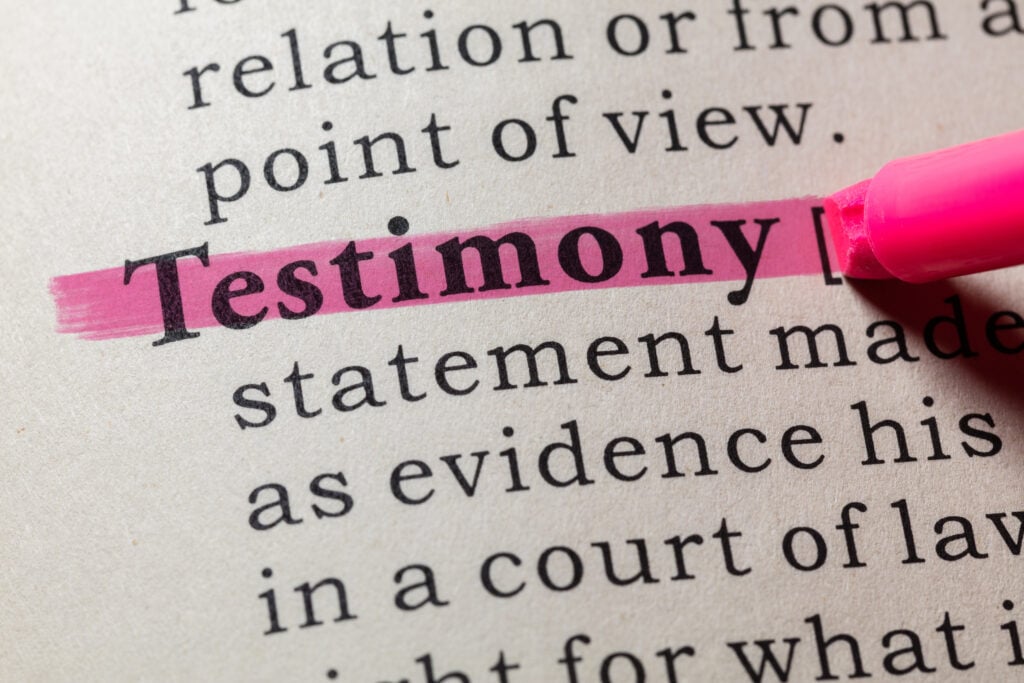
This testimony explains the advantages of the cannabis tax structure proposed in Connecticut’s Senate Bill 16 and offers additional background information as well as ideas for potential changes to the bill.
This weekend’s Leap Day should be a welcome extra day for state lawmakers, advocates, and observers who care about tax and budget policy, as there is an overflow of proposals and information to digest. Most importantly, as emphasized in our “What We’re Reading” section, there are never enough days in a month to do justice to the importance of Black History Month and Black Futures Month. In state-specific debates, Oregon and Washington leaders are hoping to take a leap forward in raising funds for homelessness and housing affordability measures. Lawmakers in West Virginia and Wisconsin could use a day to…
State Rundown 2/13: What’s Trendy in State Tax Debates This Year
February 13, 2020 • By ITEP Staff
We wrote earlier this week about Trends We’re Watching in 2020, and this week’s Rundown includes news on several of those trends. Maine lawmakers are considering a refundable credit for caregivers. Efforts to tax high-income households made news in Maryland, Oregon, and Washington. Grocery taxes are receiving scrutiny in Alabama, Idaho, and Tennessee. Tax cuts or shifts are being discussed in Arizona, Nebraska, and West Virginia. And Arizona, Maryland, and Nevada continue to seek funding solutions for K-12 education as Alaska and Virginia do the same for transportation infrastructure.

Institute on Taxation
and Economic Policy
ITEP is a non-profit, non-partisan tax policy organization. We conduct rigorous analyses of tax and economic proposals and provide data-driven recommendations to shape equitable and sustainable tax systems.
Subscribe to ITEP Emails
Tax research and policy news in your inbox.
Promote Fair Tax Policy
Your gift to ITEP promotes tax justice. With your help, we do research that supports taxing millionaires and billionaires, taxing big corporations and raising revenue for the things our people, our communities and our planet need.
Together, we can create a country with more economic justice, more racial justice, more climate justice… and more tax justice.