
Texas
State Rundown 12/31/9999: IRS Glitch and Legislative Impasses Extend Tax Season
April 20, 2018 • By ITEP Staff
This week the IRS website asked some would-be tax filers to return after December 31, 9999. State legislators don't have quite that much time, but are struggling to wrap up their tax debates on schedule as well. Iowa legislators, for example, are ironically still debating tax cuts despite having run out of money to cover their daily expenses for the year. Nebraska's session wrapped up, but its tax debate continues in the form of a call for a special session and the threat of an unfunded tax cut going before voters in November. Mississippi's tax debate has been revived by…
Dallas Morning News: NJ Gov. Murphy to Texas Gov. Abbott: Back off from our people and companies Filed under Commentary at 4 days ago
April 16, 2018
We are also not fixated on cutting taxes for the wealthy at the expense of the middle class. According to the Institute on Taxation and Economic Policy, Texas is home to the third-most unfair state and local tax system in the country, with middle-class and working families paying disproportionately higher rates than the wealthiest Texans. […]
Is the Trump Organization’s Sales Tax Avoidance More Aggressive Than Amazon’s?
April 6, 2018 • By Carl Davis

In recent weeks, President Trump has been raking Amazon over the coals for failing to collect state and local sales taxes on many of the company’s sales—a criticism that has some merit. But a new story first reported by James Kosur at RedStateDisaster, and then picked up today by the Wall Street Journal, provides fascinating insight into the sales tax collection habits of the Trump Organization’s “official retail website,” TrumpStore.com.
Dallas Morning News: Texas Was Tougher Than Other States in Dealing with Amazon on Sales Taxes
March 30, 2018
When a Dallas resident or shopper in College Station or Lubbock makes a purchase from Amazon or any other online retailer with a physical presence in Texas such as Wayfair and RH.com, the state gets its 6.25 percent. The cities get their local sales taxes too. In Dallas, that’s an additional 2 percent for a […]
State Rundown 2/8: State Responses to Federal Bill Gaining Steam
February 8, 2018 • By ITEP Staff
Several states this week are looking at ways to revamp their tax codes in response to the federal tax cut bill, with Georgia, Idaho, Maryland, Nebraska, and Vermont all actively considering proposals. Meanwhile, Connecticut, Louisiana, and Pennsylvania are working on resolving their budget shortfalls. And transportation funding is getting needed attention in Mississippi, Utah, and Wisconsin.
Dallas Morning News: Look out N.Y., L.A. and Chicago: The New Tax Law Makes Dallas even stronger
February 2, 2018
Most of the individual and family savings from tax reform are going to high earners. In Texas, three-quarters of the upside will be claimed by taxpayers earning over $106,000, according to the Institute on Taxation and Economic Policy, a “nonprofit, nonpartisan” research firm in Washington. To offset those gains — and the hit on the […]
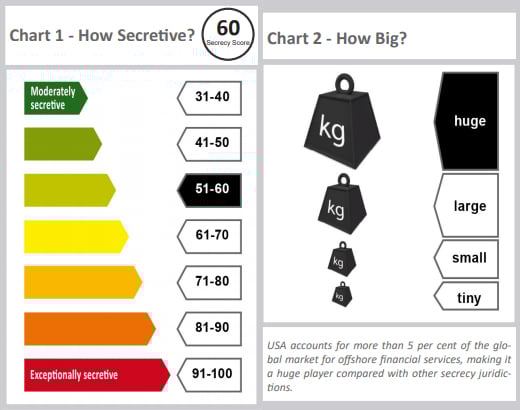
Sometimes, ranking near No. 1 in the world is not a badge of pride. According to the Financial Secrecy Index released by the Tax Justice Network (TJN), the United States is the second largest contributor to financial secrecy in the world, placing it in the company of infamous tax havens such as Switzerland (ranked No. 1) and the Cayman Islands (ranked No. 3). Financial secrecy is enabling people to hide income from the authorities to evade taxes or financial regulation, launder profits from crime, finance terrorism, or otherwise break the law.
State Rundown 1/17: Budget Deficits, Online Sales Tax, and More
January 17, 2018 • By ITEP Staff
The big news this week in state tax law is that the U.S. Supreme Court has agreed to take on the issue of online sales, nexus, and sales tax collection. States have increasingly lost out on sales tax revenues as more transactions have shifted online from brick-and-mortar stores and the laws determining who is required to collect and remit sales taxes haven't kept up. This is potentially good news for states—25 of which National Association of State Budget Officers (NASBO) reports started the new year with budgetary deficits. In other news, grappling with the local impact of federal tax reform…
The Walmart Smiley Face Is Lying: Corporate Tax Cuts Are Not Causing Pay Raises and Bonuses
January 12, 2018 • By Steve Wamhoff

Last night, Yahoo reported that 81 corporations had announced pay raises and bonuses that they claim result from the Trump-GOP tax law’s reduction in the official corporate tax rate from 35 percent to 21 percent. Of these 81 corporations, 13 were included in ITEP’s most recent corporate tax study, which focuses on the Fortune 500 companies that were profitable every year from 2008 through 2015. These 13 companies had a combined effective tax rate of just 19.1 percent, which undermines the idea that the federal corporate tax rate was holding back their ability to pay workers.
Center for Public Policy Priorities: The National Dream Act: What’s at stake for Texas?
December 18, 2017
Researchers estimate that approximately 177,000 young Texas immigrants are potentially eligible for DACA, and they currently contribute a total of $241 million to local and state taxes annually through sales and excise taxes, property taxes and income tax. Without the national Dream Act, Texas can expect to lose at least $79 million in state and […]
Final GOP-Trump Bill Still Forces California and New York to Shoulder a Larger Share of Federal Taxes Under Final GOP-Trump Tax Bill; Texas, Florida, and Other States Will Pay Less
December 17, 2017 • By Meg Wiehe
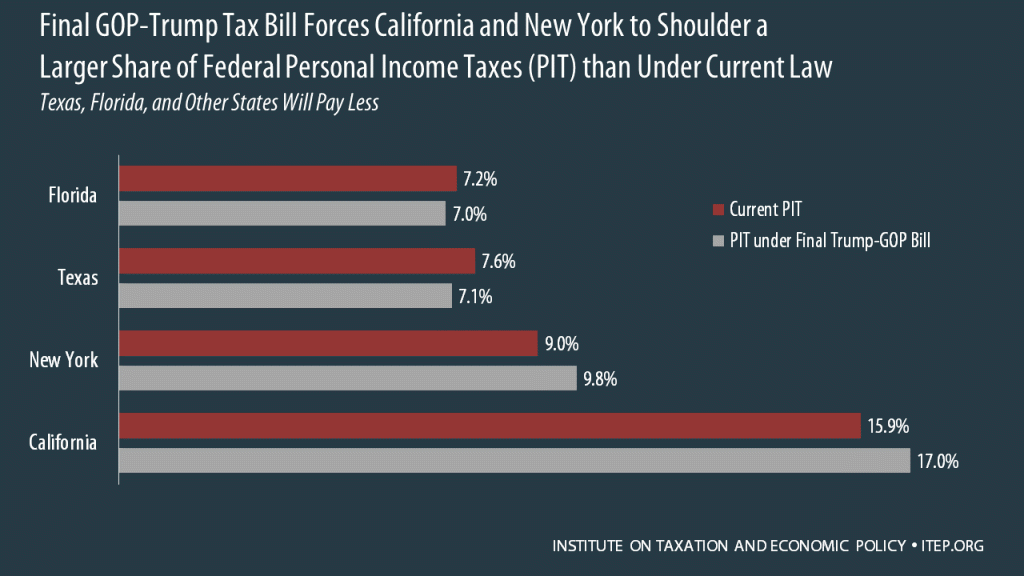
Residents of California and New York pay a large amount of the nation’s federal personal income taxes relative to their share of the population. As illustrated by the table below, the final GOP-Trump tax bill expected to be approved this week would substantially increase the share of total federal personal income taxes (PIT) paid by both states. Connecticut, Maryland, Massachusetts, and New Jersey would also see their share of federal PIT increase.
How the Final GOP-Trump Tax Bill Would Affect Texas Residents’ Federal Taxes
December 16, 2017 • By ITEP Staff
The final tax bill that Republicans in Congress are poised to approve would provide most of its benefits to high-income households and foreign investors while raising taxes on many low- and middle-income Americans. The bill would go into effect in 2018 but the provisions directly affecting families and individuals would all expire after 2025, with […]
The Final Trump-GOP Tax Plan: National and 50-State Estimates for 2019 & 2027
December 16, 2017 • By ITEP Staff
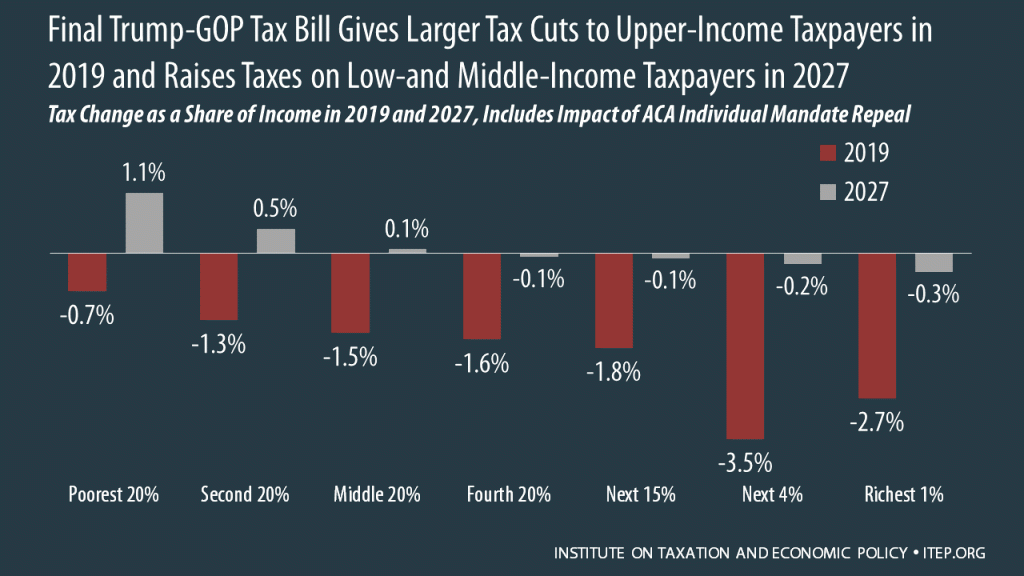
The final Trump-GOP tax law provides most of its benefits to high-income households and foreign investors while raising taxes on many low- and middle-income Americans. The bill goes into effect in 2018 but the provisions directly affecting families and individuals all expire after 2025, with the exception of one provision that would raise their taxes. To get an idea of how the bill will affect Americans at different income levels in different years, this analysis focuses on the bill’s impacts in 2019 and 2027.
ITEP researchers have produced new reports and analyses that look at various pieces of the tax bill, including: the share of tax cuts that will go to foreign investors; how the plans would affect the number of taxpayers that take the mortgage interest deduction or write off charitable contributions, and remaining problems with the bill in spite of proposed compromises on state and local tax deductions.
Even with Potential SALT Compromises, Senate Bill Forces California and New York to Shoulder a Larger Share of Federal Taxes While Texas, Florida, and Other States Will Pay Less
December 10, 2017 • By Meg Wiehe, Steve Wamhoff
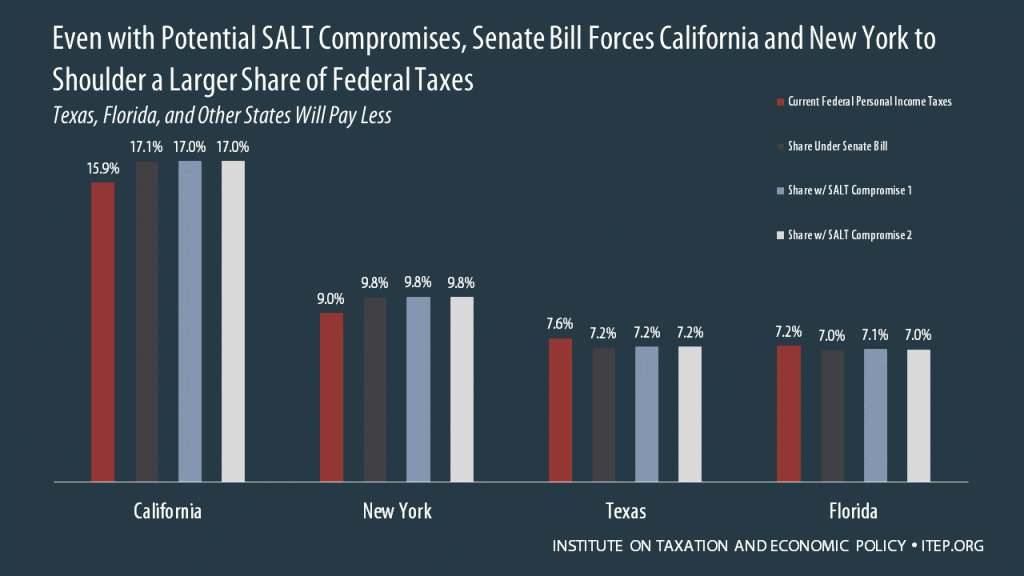
The Senate tax bill, with or without either of the compromises that could be added to it, would shift personal income taxes away from Florida and Texas to states like California and New York, which are already paying a high share relative to their populations.
New Republic: Tax Reform to Own the Libs
December 8, 2017
According to analysis from the Institute on Taxation and Economic Policy, New York, New Jersey, Maryland, and California would pay $17 billion more in taxes by 2027, while Texas and Florida, two large states that Trump won, would pay $31 billion less. “You can definitely see the ideological tilt here,” Carl Davis, the institute’s research […]
Mother Jones: Republican Plan Threatens School Funding to Pay for Corporate Tax Cuts
December 8, 2017
In New Jersey, 41 percent of taxpayers write off state and local taxes, averaging a $17,200 deduction. In Texas, 22 percent deduct an average of $7,600 apiece. Taxes and the cost of living are high enough in some blue states that many middle-class taxpayers would see their taxes go up if SALT is repealed. In New Jersey, […]
How the House and Senate Tax Bills Would Affect Texas Residents’ Federal Taxes
December 6, 2017 • By ITEP Staff
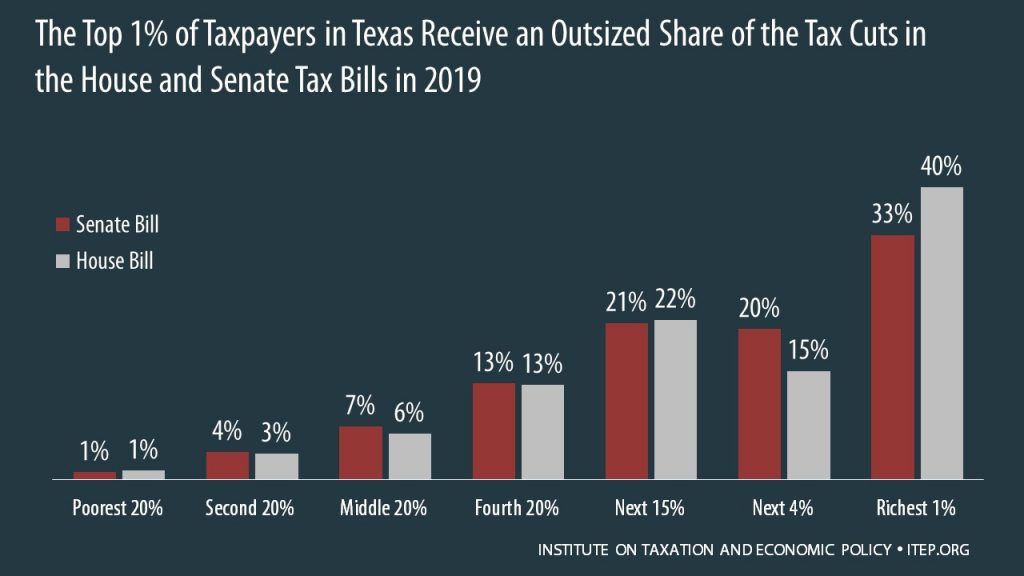
The House passed its “Tax Cuts and Jobs Act” November 16th and the Senate passed its version December 2nd. Both bills would raise taxes on many low- and middle-income families in every state and provide the wealthiest Americans and foreign investors substantial tax cuts, while adding more than $1.4 trillion to the deficit over ten years. The graph below shows that both bills are skewed to the richest 1 percent of Texas residents.
National and 50-State Impacts of House and Senate Tax Bills in 2019 and 2027
December 6, 2017 • By ITEP Staff
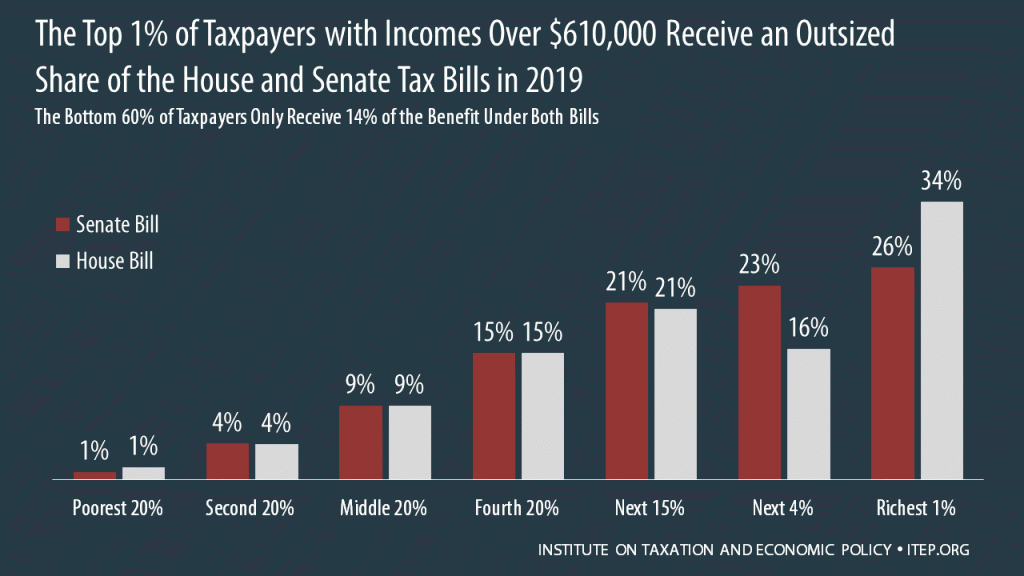
The House passed its “Tax Cuts and Jobs Act” November 16th and the Senate passed its version December 2nd. Both bills would raise taxes on many low- and middle-income families in every state and provide the wealthiest Americans and foreign investors substantial tax cuts, while adding more than $1.4 trillion to the deficit over ten years. National and 50-State data available to download.
The State Rundown is back from Thanksgiving break with a heaping helping of leftover state tax news, but beware, some of it may be rotten.
The Atlantic: The Big Blue Losers in the GOP Tax Plan
November 28, 2017
Between the mortgage and SALT limits, the bills hit many upper-middle-class taxpayers, especially in blue states. The Institute on Taxation and Economic Policy calculates that by 2027 the Senate bill would raise taxes on about 45 percent of households between the 80th and 95th income percentiles in California, Virginia, New Jersey, and New York; and […]
Revised Senate Plan Would Raise Taxes on at Least 29% of Americans and Cause 19 States to Pay More Overall
November 18, 2017 • By ITEP Staff
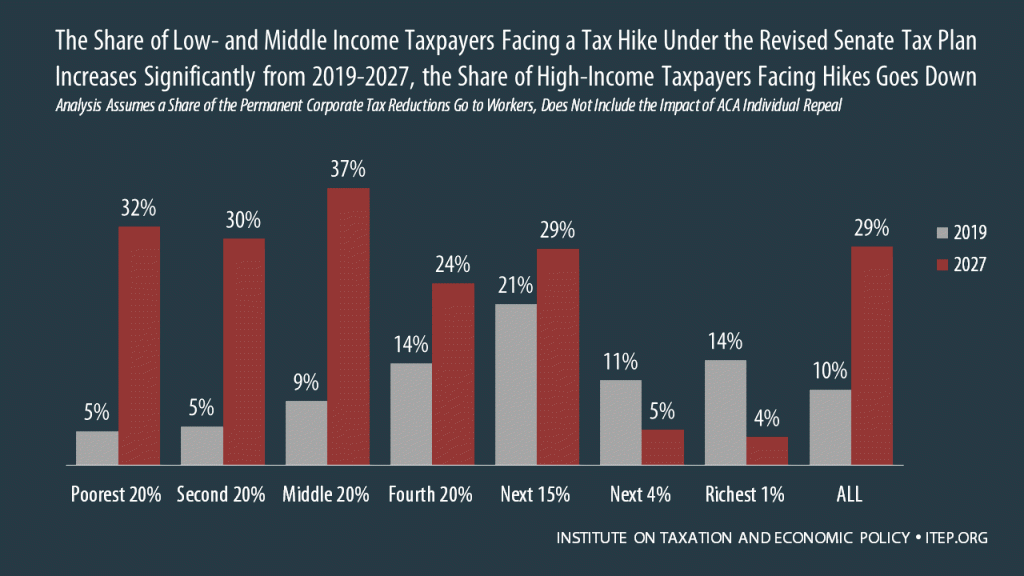
The tax bill reported out of the Senate Finance Committee on Nov. 16 would raise taxes on at least 29 percent of Americans and cause the populations of 19 states to pay more in federal taxes in 2027 than they do today.
New York Times: Confused by Tax Bills?
November 17, 2017
Compared with current law, the House bill, which was passed Thursday, would raise personal federal income taxes on California, New Jersey, New York and Maryland residents by $16.7 billion in 2027, according to an Institute on Taxation and Economic Policy analysis. Florida and Texas, however, would get $31.2 billion in cuts. Read more
Los Angeles Times: A Tax Bill No Responsible California Lawmaker Should Support
November 16, 2017
But the bill’s cuts in personal tax rates, its increase in the standard deduction and other benefits for individual taxpayers are partially offset by reductions in some popular tax deductions — including those for state and local taxes and mortgage interest payments, many of whose beneficiaries live in states with high income or sales taxes […]
House Tax Plan Offers an Exceptionally Bad Deal for California, New York, New Jersey, and Maryland
November 14, 2017 • By Carl Davis
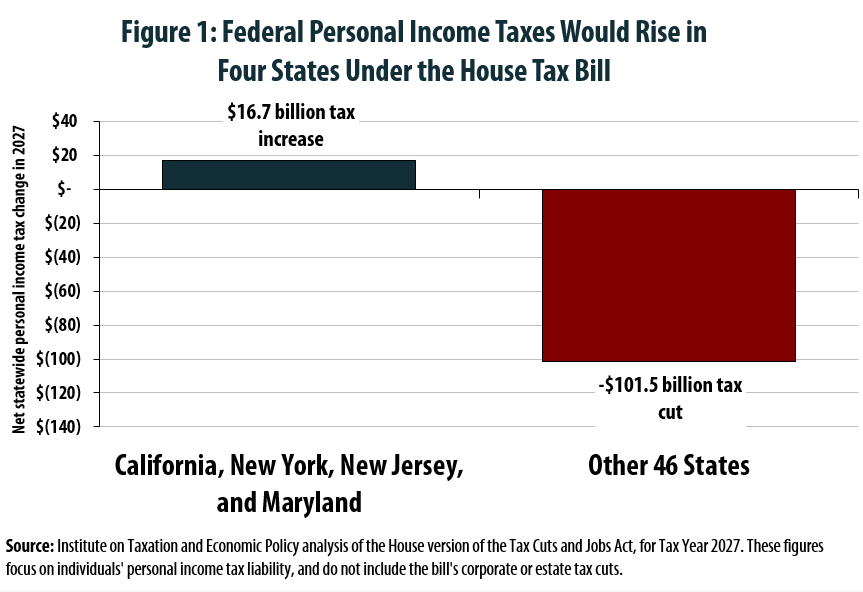
An ITEP analysis reveals that four states would see their residents pay more in aggregate federal personal income taxes under the House’s Tax Cuts and Jobs Act. While some individual taxpayers in every state would face a tax increase, only California, New York, Maryland, and New Jersey would see such large increases that their residents’ overall personal income tax payments rise when compared to current law.

Institute on Taxation
and Economic Policy
ITEP is a non-profit, non-partisan tax policy organization. We conduct rigorous analyses of tax and economic proposals and provide data-driven recommendations to shape equitable and sustainable tax systems.
Subscribe to ITEP Emails
Tax research and policy news in your inbox.
Promote Fair Tax Policy
Your gift to ITEP promotes tax justice. With your help, we do research that supports taxing millionaires and billionaires, taxing big corporations and raising revenue for the things our people, our communities and our planet need.
Together, we can create a country with more economic justice, more racial justice, more climate justice… and more tax justice.