State governors are beginning to lay out their top priorities as legislatures reconvene in statehouses around the country. Arizona’s governor outlined her goal to get the legislature to conform to tax updates from the federal tax bill—changes that could cost the state hundreds of millions of dollars. Meanwhile, Florida’s governor proposed a foolhardy goal of eliminating property taxes for homesteads (a plan the legislature has yet to endorse), which would further solidify their position as the state with the most inequitable tax system. And the governor of Idaho is hoping to “right-size” spending (aka impose deeper cuts to public services) after overseeing years of regressive income tax cuts, which have led to a 14 percent decrease in the state forecasted revenue.
Governors’ Annual Addresses and State of State Speeches
- In her annual state address, ARIZONA Gov. Katie Hobbs encouraged the legislature to pass a tax bill that would tie the state to several tax provisions included in the federal tax bill and called for eliminating the state’s data center tax exemption.
- ALABAMA Gov. Kay Ivey gave her final state of the state address where she called to expand the CHOOSE Act, the state voucher program, to $250 million. Gov. Ivey also called to fund a flood alert system in response to the 2025 floods in central Texas.
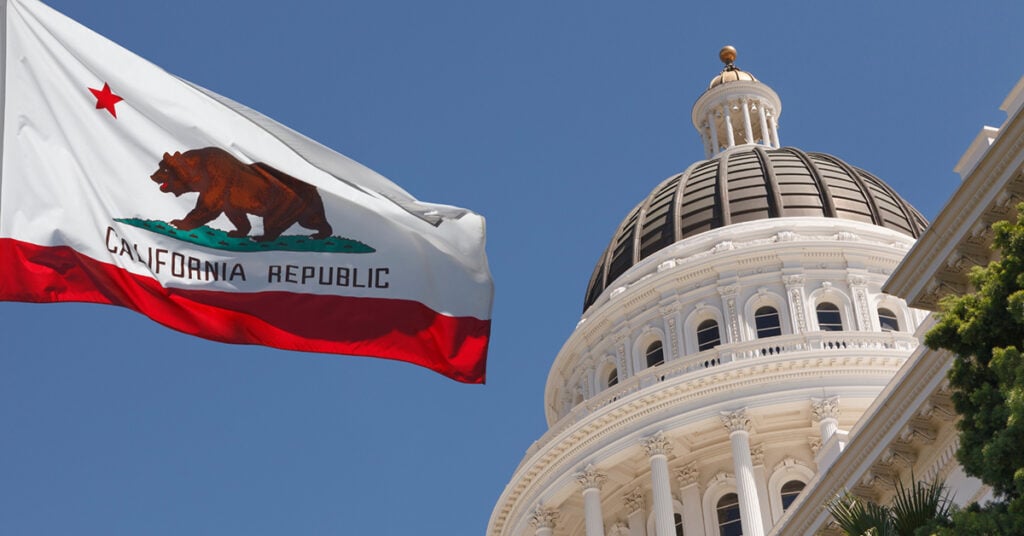
- CALIFORNIA Gov. Gavin Newsom highlighted the state’s progressive tax code in his final state of the state address. Using ITEP figures, Newsom called out the 16 states that tax the poor at higher rates than California taxes its highest earners.
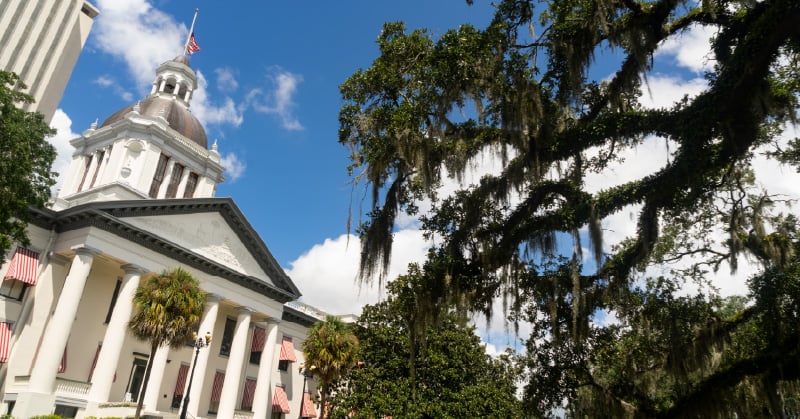
- FLORIDA Gov. Ron DeSantis used his address to set a vague agenda for the 2026 legislative session. While he mentioned cutting property taxes, the state legislature has yet to get on board with his proposal to eliminate property taxes for homesteads and is considering numerous property tax cut proposals. Most of the address focused on his time as governor as his term ends next year.
- IDAHO Gov. Brad Little touted the state’s recent slew of income tax cuts in his recent state address. He also, however, discussed the lagging revenue forecast that showed a decrease of 14 percent in recent months and recommended the need to “right-size” spending.
- KANSAS Gov. Laura Kelly highlighted efforts to bring the Kansas City Chiefs to the state of Kansas in her address, along with other economic development efforts. Despite the Kansas legislature’s focus on property taxes in recent years, the issue was not mentioned in her speech.
- NEW YORK Gov. Kathy Hochul’s address contained little new on the tax front. She reiterated her commitment to working toward universal childcare (alongside New York City Mayor Zohran Mamdani) and other priorities but stayed mostly quiet on how they might be funded. She has signaled previously that income tax hikes are off the table, while corporate taxes and other increases may be considered. Her full State of the State book proposes ending taxes on tips and overhauling the Child and Dependent Care Credit. Gov. Hochul’s budget proposal is due next week.
- RHODE ISLAND Gov. Dan McKee’s address introduced his plan that would eliminate the state’s tax on Social Security benefits, create a permanent $325 per‑child tax credit, and roll back last year’s gas tax increase. The plan is estimated to cost the state $215 million in the first year and $1.4 billion over five years. While the address did not include any mention of new taxes, Gov. McKee recently signaled an openness to a new tax on millionaires.
- VERMONT Gov. Phil Scott focused on education funding reform and argued that the state’s current funding system is driving higher property taxes. Gov. Scott proposed restructuring school districts and overhauling the statewide funding model to curb property tax increases.
- State of the State addresses are expected over the coming week in COLORADO, GEORGIA, INDIANA, NEBRASKA, NEW MEXICO, VIRGINIA, and WEST VIRGINIA as well.
Major State Tax Proposals and Developments
- IOWA lawmakers proposed a comprehensive measure to overhaul the state’s property tax system. The measure would impose strict caps on the growth of property tax bills—regardless of the real growth in a property’s value. Additionally, it would create separate classes of property for residential rentals and property occupied by owners—a measure likely to be expensive to renters who will ultimately pay the higher property taxes in the form of higher rents. – ELI BYERLY-DUKE
- MISSOURI Mike Kehoe proposed a statewide ballot initiative to overturn a prior measure and authorize the legislature to expand the state’s sales tax base, with the ultimate aim of eliminating the personal income tax. The governor has offered few details about what additional goods and services he wants to tax to offset even part of the state’s personal income tax, which makes up nearly two-thirds of the general fund. – ELI BYERLY-DUKE
- OREGON Tina Kotek is calling for the repeal of a $4.3 billion transportation funding package after a referendum effort froze its planned increases to the state gas tax, vehicle title and registration fees, and a payroll tax. The freeze is in effect until voters can cast their ballots on the issue in November. With the new funding blocked, Gov. Kotek called on lawmakers to redirect existing funds to avoid layoffs and fund core programs but warned that broader tax decisions will need to be revisited in 2027 to create a long‑term funding plan. – MILES TRINIDAD
State Roundup
- Anchorage, ALASKA, city leaders are temporarily setting aside broad revenue-raising proposals to focus on filling an $83 million budget shortfall for the Anchorage School District with a property tax levy. If the levy is approved by the Assembly, voters will decide on it at the ballot box in April.
- COLORADO lawmakers will return to the Capitol facing an $850 million budget shortfall. Due to TABOR limitations and growing Medicaid costs, the state will have to seriously consider new revenue or significant cuts to services.
- CALIFORNIA Gavin Newsom is in opposition to a ballot measure aiming to introduce a one-time wealth tax on the state’s billionaires.
- Entergy LOUISIANA, the state’s largest utility company, is seeking a $237 million property tax exemption over 10 years to help pay for the infrastructure to power Meta’s data center in Richland Parish.
- NEW HAMPSHIRE lawmakers debated two bills that would create taxes on second homes and homes that are unoccupied for six months of the year. The first proposal could generate at least $15 million annually for local municipalities, while the second could bring in more than $900 million statewide.
- The NORTH DAKOTA House voted to increase the state’s gas tax by three cents to 26 cents per gallon and increase the electric vehicle fee from $120 to $150. The increases are estimated to raise $42 million over the next two years, which would go towards creating a city, county, and township road fund. Lawmakers said the bill is intended to help non-oil-producing counties that need road repairs.
- UTAH Spencer Cox recently expressed interest in a digital ads tax– similar to the tax passed in Maryland.
- VIRGINIA Glenn Youngkin announced that the state will be the first to opt in to the federal Education Freedom Tax Credit, which will provide a nonrefundable $1,700 federal tax credit for those who donate to qualified educational organizations. The move was criticized by Virginia’s largest teachers’ union, the Virginia Education Association (VEA), arguing that it would lock the state into a program before federal officials have finalized the rules and how it would affect Virginia. The VEA urged Gov.-elect Abigail Spanberger to review Gov. Youngkin’s decision once the tax credit rules are finalized by federal officials.
What We’re Reading
- An article from Stateline discusses how sports stadium deals have become tax breaks for billionaires.
If you like what you are seeing in the Rundown (or even if you don’t) please send any feedback or tips for future posts to Aidan Davis at aidan@itep.org. Click here to sign up to receive the Rundown via email.