
Washington
New State Taxes on the Wealthy Raise Revenue and Rebalance Tax Codes, Advancing Racial Justice
October 6, 2026 • By Brakeyshia Samms

Taxing the rich is proven fiscal policy – it raises revenue for vital public services and makes tax codes fairer. But a part of the debate that rarely gets enough attention: taxing the rich is also one of the most effective tools available for advancing racial equity.
State Earned Income Tax Credits Will Support Families and Workers in 2027
September 15, 2026 • By Neva Butkus

Nearly two-thirds of states (plus the District of Columbia and Puerto Rico) have an Earned Income Tax Credit. These credits boost low-paid workers’ incomes and offset some of the taxes they pay, helping working class families achieve greater economic security.

This fall, voters across the country will consider a host of ballot measures that could reshape the fairness and adequacy of their states’ tax systems. Here’s some of what we’re following.
Seattle Times: We’re No. 1 – for Corporate Tax Breaks
August 24, 2026
"It's the biggest we've ever seen for one company," says Matthew Gardner, a senior fellow for the Institute on Taxation and Economic Policy. "It's a turbocharged amount. It's more than triple the previous record."
Economic Opportunity Institute: What the Millionaires Tax would mean for Washington
August 3, 2026 • By ITEP Staff

In fact, thanks to the legislation’s expansion of the state’s Working Families Tax Credit and elimination of sales taxes on several categories of items, 95% of Washington households will pay less in state taxes, according to an analysis by the Institute on Taxation and Economic Policy.
State Rundown 7/29: The Misguided, Miserly Missouri Amendment to Eliminate the Income Tax
July 29, 2026 • By ITEP Staff
Missouri voters are facing a major decision at the ballot box next week on Amendment 5, which would amend the state constitution to allow lawmakers to eliminate the individual income tax and expand the state’s sales tax on any good or service to make up for lost revenue.
2026 Sessions in Review: States Fund Tax Credits by Preserving, Raising Revenue
July 2, 2026 • By Aidan Davis

In a year of cautious uncertainty around current and ongoing revenues, many state lawmakers strengthened their tax credits for families and children.
2026 Sessions in Review: States Move to Tax the Rich and Corporations
June 29, 2026 • By Aidan Davis
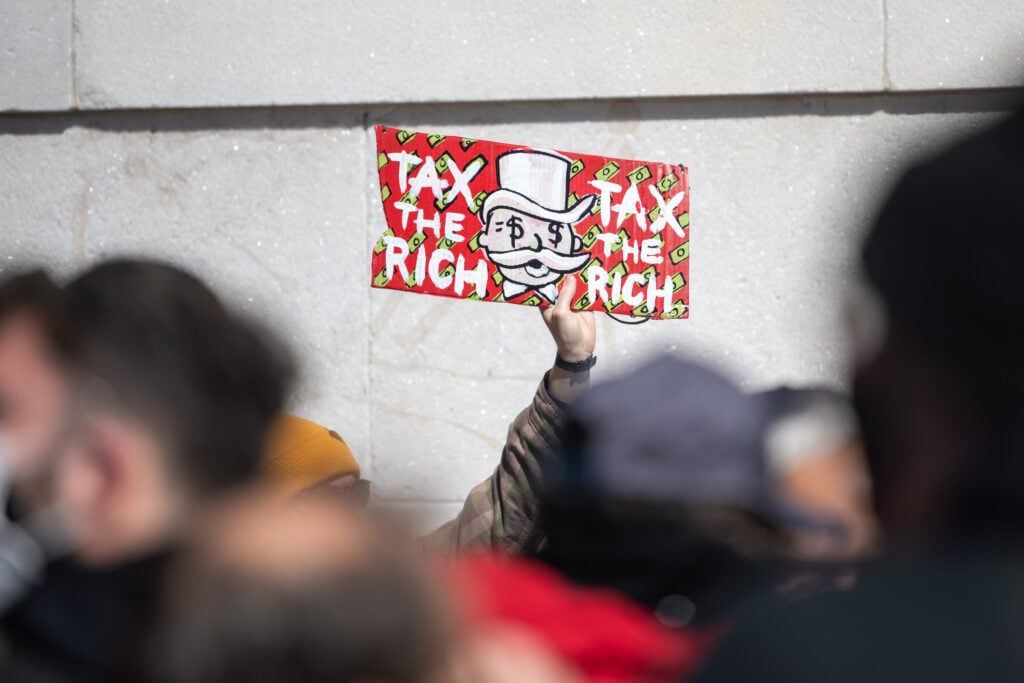
This year several states raised income tax rates on high-income people to fund crucial services and make progress toward remedying the regressive tilt of their tax codes.
It's the first official week of summer, and while many of us are planning vacations, state lawmakers remain busy finalizing and debating tax proposals.
As we head into summer, many state legislatures are in the final stretches of their sessions. Rhode Island moved another step closer to joining the ranks of Washington, Maine, and Hawai’i in enacting a new high-income surcharge this year.

ITEP’s report on taxing advertising identifies some reasons why states are curtailing longstanding sales tax exemptions for the ad sector.

An advertising tax offers a way to raise significant money from a sector of the economy that has been getting a free ride for decades.

From surcharges on the income of high-earners to higher taxes on second homes, here are recent steps states have taken to tax the rich.
As many legislative sessions end, lawmakers are revealing their priorities.
Taxing Advertising Would Modernize State Sales Tax Bases for the Information Age
May 7, 2026 • By Nick Johnson

Most states questionably exempt advertising from sales taxes. States that extend their sales taxes to advertising and/or enact an excise tax stand to raise billions in revenue while correcting a structural bias in their tax codes that implicitly subsidizes some of the most profitable corporations in human history.
The effects of last year’s federal tax and spending cuts continue to ripple through the states. With gas prices soaring due to the Iran war, some states are attempting to provide a bit of relief in the form of gas tax reductions and suspensions.
State Rundown 4/1: No Fooling Around Anymore in Washington, But Cruel Pranks in South Carolina
April 1, 2026 • By ITEP Staff
In Washington, Gov. Bob Ferguson and lawmakers decided to stop fooling around with one of the nation’s most upside-down tax codes and finally brought to life a new millionaires’ tax, the first new income tax created in a state since 1991.
The Guardian: Washington State’s ‘Historic’ Millionaire Tax Takes Aim at Super-Rich – Will It Succeed?
March 31, 2026
This was very overdue, and people in Washington are really excited to see it,” she said. “The bottom line is that billionaires are walking away with a larger share of our economy every single year, and working people can’t afford the basics any more. This movement was growing, this moment was coming.”
Historic Millionaires’ Tax in Washington Will Make State’s Tax Code Fairer, Raise Critical Revenue
March 30, 2026 • By ITEP Staff
Today Washington Gov. Bob Ferguson signed into law the state’s new millionaires’ tax, propelling the Evergreen State forward toward a fairer economy with a tax code more based on the ability to pay. The legislation, which makes significant investments in public education and child care, will also expand the Working Families Tax Credit – Washington’s […]
State Rundown 3/12: Washington Lawmakers Pass Millionaires’ Tax, Expand Working Families Tax Credit
March 12, 2026 • By ITEP Staff
Washington is on its way to making history after the legislature approved the “millionaires’ tax,” a 9.9 percent tax on income over $1 million. The bill, which is expected to raise more than $3 billion a year, making significant investments in public education and childcare, will also expand the Working Families Tax Credit – the […]
Washington Millionaires’ Tax, Expanded Working Families Tax Credit Make Tax Code Fairer
March 12, 2026 • By Marco Guzman, Dylan Grundman O'Neill
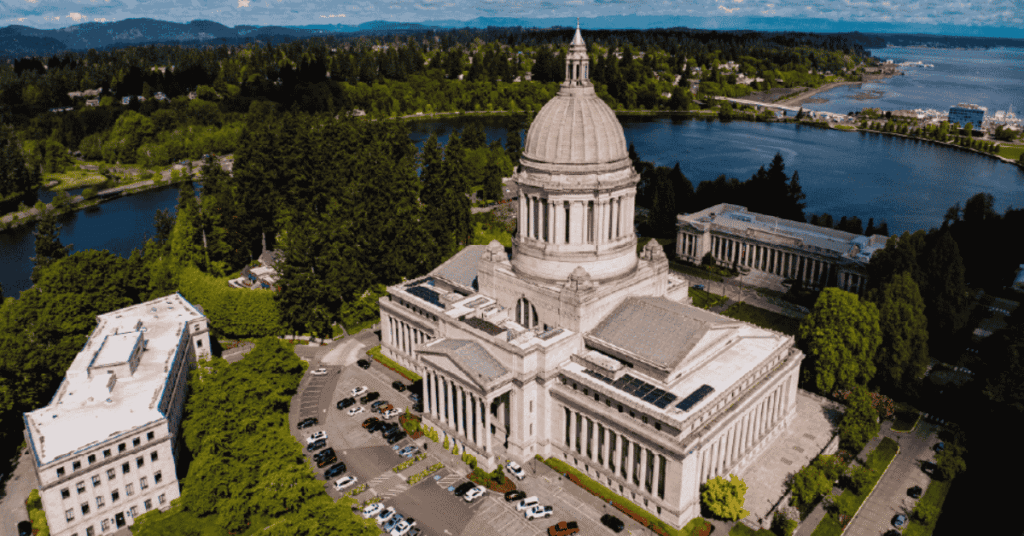
The Washington legislature has approved a new "millionaires' tax," a 9.9 percent tax on income over $1 million. The bill, which makes significant investments in public education and child care, will also expand the Working Families Tax Credit – the state’s EITC – to reach an additional 460,000 households.
As many state legislative sessions near or cross the halfway point, lawmakers are facing tough choices.
State Rundown 2/19: Necktie (NCTI) Offers a Way Out of a Knotty Situation
February 19, 2026 • By ITEP Staff
State lawmakers are grappling with a range of challenges as their fiscal outlooks deteriorate, federal tax enforcement wanes (after the Trump administration cut the IRS workforce by 25 percent), and a rewritten federal tax code sends states scrambling to decide what changes they might want to make in their own codes.
The Cascadia Advocate: Five More Claims Against the Million-Dollar Earners’ Tax That Don’t Check Out: Debunking Republicans’ Opposition to SB 6346
February 19, 2026 • By ITEP Staff
Republican legislators yesterday leveled a barrage of familiar arguments against the Senate Democratic majority’s proposal to create a million-dollar earners’ tax. While these charges have been made before, repetition does not make an argument true. Read more.
What Did 2025 State Tax Changes Mean for Racial and Economic Equity?
February 9, 2026 • By Brakeyshia Samms

The results are a mixed bag, with some states enacting promising policies that will improve tax equity and others going in the opposite direction.
