
Blog
1,395 posts

How the Fairness of State Tax Codes Affects Public Education
• By Carl Davis
The findings of Who Pays? go a long way toward explaining why so many states are failing to raise the amount of revenue needed to provide full and robust support for our public schools.
State Rundown 1/18: State Tax Priorities Taking Shape in 2024
• By ITEP Staff
Tax policy themes have begun to crop up in states as governors give their yearly addresses and legislators lay out their plans for the 2024 legislative season...
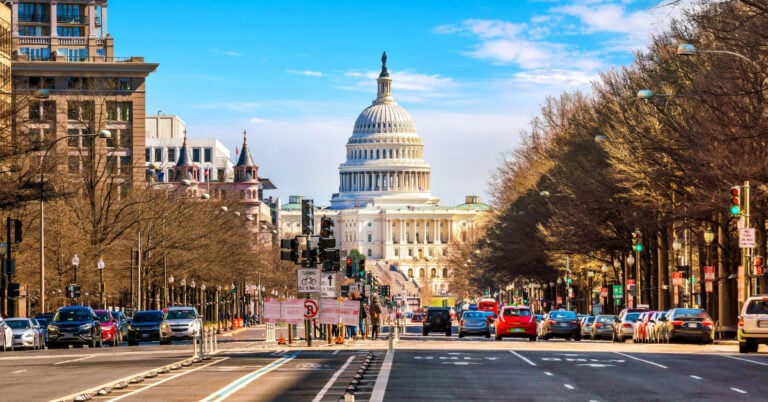
Worthwhile Ideas for a Stronger and Fairer D.C. Tax Code
• By Andrew Boardman, Kamolika Das, Marco Guzman
The nation’s capital has a once-in-a-decade opportunity to advance a stronger and fairer local tax code. New draft recommendations from a key advisory panel will help leaders make the most of the moment.
State Rundown 1/11: Sounding the Alarm on Regressive State & Local Tax Codes
• By ITEP Staff
States got a wake-up call this week as ITEP released the latest edition of our flagship Who Pays? report...
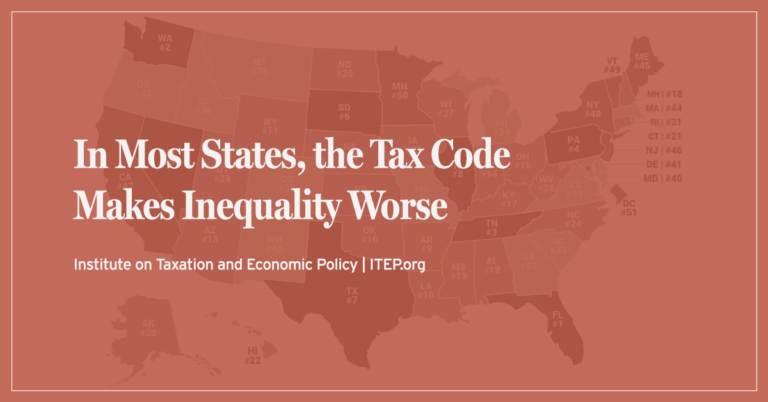
In Most States, the Tax Code Makes Inequality Worse
• By Carl Davis
The vast majority of state and local tax systems are upside-down, with the wealthy paying a far lesser share of their income in taxes than low- and middle-income families. Yet a few states have made strides to buck that trend and have tax codes that are somewhat progressive and therefore do not worsen inequality.
State Rundown 1/4: New Year, New Opportunities, Same Tax Cut Proposals
• By ITEP Staff
The year may be new, but state lawmakers seem to have the same old resolution: slashing state income taxes...

Everything You Need to Know About Proposals to Better Tax Billionaires
• By Steve Wamhoff
Tax policy may not be on the minds of most Americans during the final weeks of 2023, but billionaires with an eye on their own tax bills have been riveted by developments in D.C.
State Rundown 12/14: Tax Policy Debates Ramp Up for 2024
• By ITEP Staff
Even as revenue collections slow in many states, some are starting the push for 2024 tax cuts early. For instance, policymakers in Georgia and Utah are already making the case for deeper income tax cuts. Meanwhile, Arizona lawmakers are now facing a significant deficit, the consequence of their recent top-heavy tax cuts. There is another […]
With the Moore vs. United States Case, the Supreme Court Could Unleash Chaos on Our Tax System
• By Steve Wamhoff
On Tuesday, the U.S. Supreme Court will begin hearing oral arguments in Moore vs. United States, which could become the most important tax case in a century. A broad ruling could destabilize our tax system, enrich many profitable corporations, and widen existing economic and racial inequalities.
State Rundown 11/29: Thankful for Good Tax Policy
• By ITEP Staff
Though Turkey Day has passed, lawmakers in states across the U.S. have yet to get their fill of delicious tax policy goodness...
Hidden in Plain Sight: Race and Tax Policy in 2023 State Legislative Sessions
• By Brakeyshia Samms
Race was front and center in a lot of state policy debates this year, from battles over what’s being taught in schools to disagreements over new voting laws. Less visible, but also extremely important, were the racial implications of tax policy changes. What states accomplished this year – both good and bad – will acutely affect people and families of color.
The Latest Convoluted Arguments in Favor of Rich People Not Paying Taxes
• By Steve Wamhoff
Two Senate hearings last week focused on how the richest Americans are avoiding and evading taxes in ways that ordinary Americans could hardly imagine. All the experts brought in to testify seemed to agree that the House GOP’s recent tactic of “paying for” a spending proposal by cutting IRS funding makes no sense because it […]

Abortion-Restricting States Skimp on Funding for Children
• By Amy Hanauer
States differ dramatically in how much they allow families to make choices about whether and when to have children and how much support they provide when families do. But there is a clear pattern: the states that compel childbirth spend less to help children once they are born.

Year-End Tax Package Must Prioritize Children and Families Over Corporations and Private Equity
• By Joe Hughes
While Congress considers extending expired tax provisions, it should first and foremost focus on expanding the Child Tax Credit, a policy with a proven track record of helping families and children.
State Rundown 11/8: Election Results Bring Victories, Opportunities for More Common-Sense Tax Reform
• By ITEP Staff
Voters had the chance to impact tax policy across the country on election day, and some chose to enact common-sense reforms to raise revenue...

Power to the People: How Workers Can Fight Tax Inequity
• By Brakeyshia Samms
Workers of all races and ethnicities are confronting a tax code that puts them at a disadvantage relative to those with immense wealth, and people of color and women are among those most likely to be negatively impacted by this injustice.
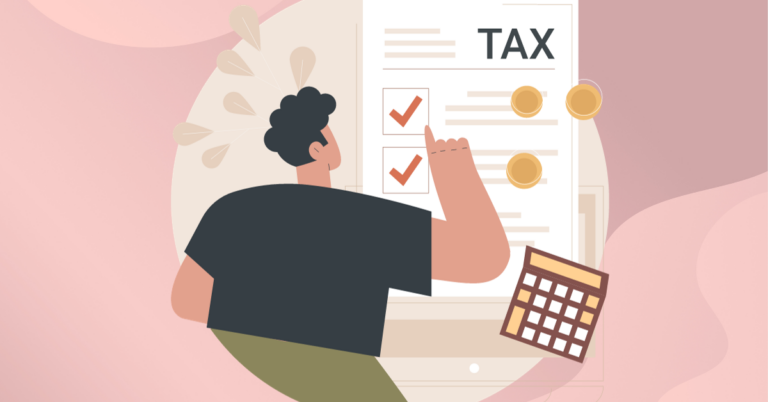
Free Tax Filing Option from the IRS Would Benefit People of Color, Contrary to Corporate Warnings
• By Brakeyshia Samms
There's a patchwork of programs and preparers for people of color to turn to when filing taxes, and most come from corporations that profit from providing a service that the government could provide more effectively and efficiently for free. The Direct File program can change that and is a great step forward in the IRS’ work addressing racism in the tax code.

Three Localities are Boosting Communities with Refundable EITCs; Others Should Follow Suit
• By Kamolika Das
Most states already offer their own Earned Income Tax Credits, typically matching a certain percentage of residents’ federal EITC, but this is still a rarity among localities.
State Rundown 10/26: Off-Year Ballot Measures and State & Local Tax Policy
• By ITEP Staff
November elections are creeping closer and closer and while that typically means a new batch of lawmakers are elected, it also means voters have another chance to help shape state and local tax policy...

On Corporate Tax Avoidance, Critics Take Aim at ITEP – and Miss
• By Matthew Gardner, Steve Wamhoff
In identifying companies that avoid taxes, ITEP presented evidence that our federal corporate income tax was not working the way most Americans think it should work. The public and lawmakers paid attention, including President Biden who then made the case that this demonstrated the need for reform. As a result, Congress enacted the corporate minimum tax, to make the tax system a bit closer to what most Americans want it to be. If you look…

Intuit Receives Millions in Federal Subsidies While Arguing IRS Direct File Would Be Too Costly
• By Joe Hughes, Spandan Marasini
The tax preparation industry has for years lobbied to prevent the IRS from providing a tool that would allow Americans to file their taxes online for free. Recent public disclosures from Intuit, the maker of TurboTax and the leader of the pack, show that tax breaks the company claims for doing “research” might be larger […]
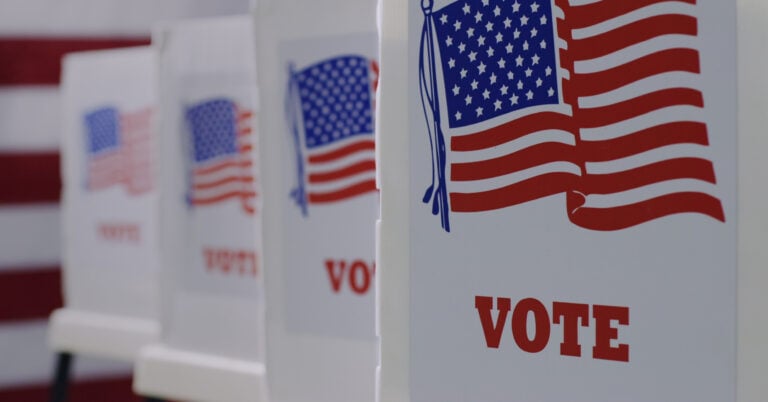
2023’s State and Local Tax Ballot Measures: Voters to Weigh in on Property Taxes, Wealth Taxes, and More
• By Jon Whiten
Even in this slow year for candidate elections, the decisions that voters in states and cities make could strengthen or weaken revenue for needs in their communities and could change how taxes are distributed across the income spectrum. In the places where tax fairness is on the ballot, much is at stake.
Eliminating Indiana’s Income Tax Would Jeopardize Public Services & Create a Windfall for the Well-Off
• By Neva Butkus
Meaningful investments in Indiana’s future require a smart, and fair, tax code that recognizes current economic realities and can raise a sustainable stream of funding from those most able to pay.
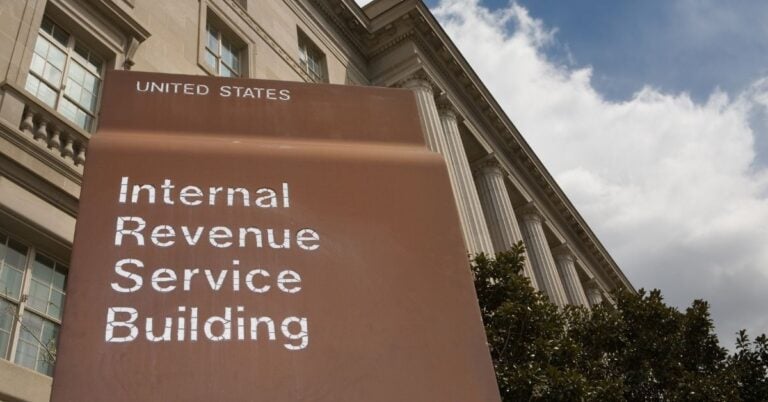
Large and Growing Tax Gap Underscores the Need to Adequately Fund the IRS
• By Jon Whiten
New figures released show the difference between what Americans paid and owed in taxes grew to $688 billion in 2021, a significant jump from previous estimates. This new data underscores that last year’s boost to IRS funding under the Inflation Reduction Act was absolutely necessary and should be protected by lawmakers.

The Moore Case Before the U.S. Supreme Court Could Widen the Racial Wealth Gap
• By Brakeyshia Samms, Moore v. United States
Moore v. United States, already a cause for concern for tax lawyers, could create more barriers for racial equity advocates working to reverse the economic plight of many households of color.
Blog Categories

Institute on Taxation
and Economic Policy
ITEP is a non-profit, non-partisan tax policy organization. We conduct rigorous analyses of tax and economic proposals and provide data-driven recommendations to shape equitable and sustainable tax systems.
Subscribe to ITEP Emails
Tax research and policy news in your inbox.
Promote Fair Tax Policy
Your gift to ITEP promotes tax justice. With your help, we do research that supports taxing millionaires and billionaires, taxing big corporations and raising revenue for the things our people, our communities and our planet need.
Together, we can create a country with more economic justice, more racial justice, more climate justice… and more tax justice.