
Rhode Island
New State Taxes on the Wealthy Raise Revenue and Rebalance Tax Codes, Advancing Racial Justice
• By Brakeyshia Samms
Taxing the rich is proven fiscal policy – it raises revenue for vital public services and makes tax codes fairer. But a part of the debate that rarely gets enough attention: taxing the rich is also one of the most effective tools available for advancing racial equity.

State Child Tax Credits Will Boost Financial Security for Families and Children in 2027
• By Neva Butkus
Sixteen states provide Child Tax Credits to reduce poverty, boost economic security, and invest in children. State lawmakers have several options to maximize the impact of Child Tax Credits.

2026 Sessions in Review: States Fund Tax Credits by Preserving, Raising Revenue
• By Aidan Davis
In a year of cautious uncertainty around current and ongoing revenues, many state lawmakers strengthened their tax credits for families and children.
State-by-State Tax Expenditure Reports
• By ITEP Staff
Below is a list of tax expenditure reports published in the states.
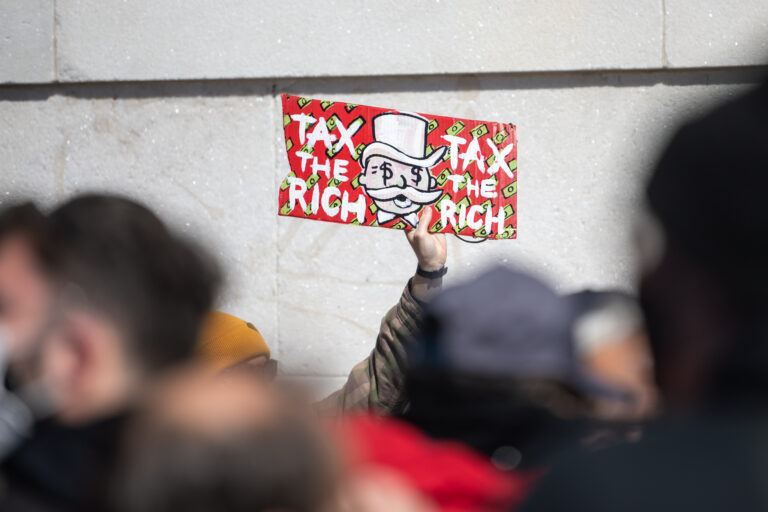
2026 Sessions in Review: States Move to Tax the Rich and Corporations
• By Aidan Davis
This year several states raised income tax rates on high-income people to fund crucial services and make progress toward remedying the regressive tilt of their tax codes.

State Rundown 6/25: Trending This Summer? New Revenue!
• By ITEP Staff
It's the first official week of summer, and while many of us are planning vacations, state lawmakers remain busy finalizing and debating tax proposals.
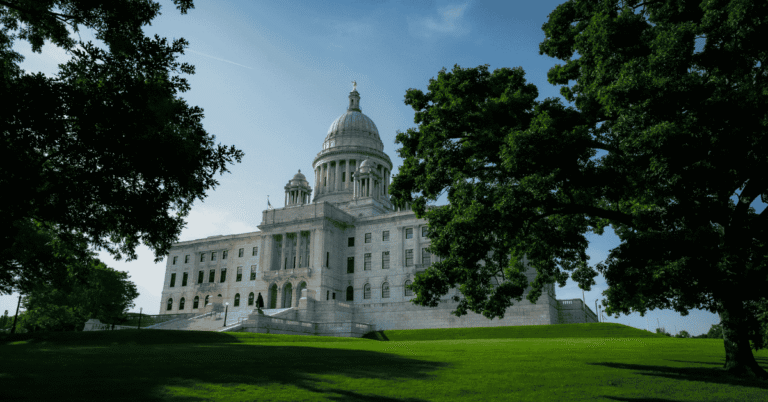
Rhode Island Budget Bets on Tax Fairness with Millionaires’ Tax and New Child Tax Credit
• By Miles Trinidad
The spending plan, signed into law by Gov. Dan McKee today, features a new millionaires’ tax, the state’s first permanent child tax credit, expanded eligibility for its Social Security exemption , and strategic decoupling from federal business tax provisions.
State Rundown 6/11: Taxing the Rich Heats Up
• By ITEP Staff
As we head into summer, many state legislatures are in the final stretches of their sessions. Rhode Island moved another step closer to joining the ranks of Washington, Maine, and Hawai’i in enacting a new high-income surcharge this year.

States Are Standing Up to the Monster Known as QSBS
• By Nick Johnson
We estimate that by 2032, QSBS will be costing states $1.1 billion a year, and since states must balance their budgets, that’s money they can’t use for public services.
State Rundown 6/4: Fiscal Flowers and Weeds Bloom in June
• By ITEP Staff
A veritable superbloom of tax and budget policies occurred over these last few weeks, including both flowers worth admiring and weeds worth fighting back.

NYC and Montana Lead the Way on Second-Home Taxes
• By Rita Jefferson
Second home taxes make a lot of sense for communities struggling with housing costs for full-time residents. They can raise real revenues too, which can be used to support further affordable housing development.

As Inequality Grows, More States Look to Tax the Rich
• By Alex Welch
From surcharges on the income of high-earners to higher taxes on second homes, here are recent steps states have taken to tax the rich.
State Rundown 5/14: Fund Priorities or Increase Shortfalls?
• By ITEP Staff
As many legislative sessions end, lawmakers are revealing their priorities.
State Tax Watch 2026
• By ITEP Staff
ITEP tracks tax discussions in legislatures across the country and uses our unique data capacity to analyze the revenue, distributional, and racial and ethnic impacts of many of these proposals. State Tax Watch offers the latest news and movement from each state.
State Rundown 3/12: Washington Lawmakers Pass Millionaires’ Tax, Expand Working Families Tax Credit
• By ITEP Staff
Washington is on its way to making history after the legislature approved the “millionaires’ tax,” a 9.9 percent tax on income over $1 million. The bill, which is expected to raise more than $3 billion a year, making significant investments in public education and childcare, will also expand the Working Families Tax Credit – the […]

What Did 2025 State Tax Changes Mean for Racial and Economic Equity?
• By Brakeyshia Samms
The results are a mixed bag, with some states enacting promising policies that will improve tax equity and others going in the opposite direction.
Economic Progress Institute: Hundreds of Millions in Lost Revenue: The Cost of Rhode Island’s Personal Income Tax Changes
• By ITEP Staff
The findings demonstrate that tax changes over the past two decades—including the introduction and reduction of the flat tax and the shift from a five-bracket system with a top rate of 9.90 percent to today’s three-bracket system with a top rate of 5.99 percent—have disproportionately benefited the highest-income filers while steadily draining state revenue. The […]
State Rundown 1/22: Cautious Tone Noticeable in Most Statehouses
• By ITEP Staff
Most states are adopting a very cautious approach so far this year as legislators begin their sessions and governors make their annual addresses, thanks to ongoing economic uncertainty and federal retrenchment.

States Can Push Back Against Reckless Federal Tax Policy. Here’s How.
• By Aidan Davis, Wesley Tharpe
They should take steps to protect and boost their own revenues. And they should take a second look at their own tax cuts.
State Rundown 1/14: New Year Brings New Resolutions for Funding Key Priorities
• By ITEP Staff
State governors are beginning to lay out their top priorities as legislatures reconvene in statehouses around the country.
State Rundown 1/7: New Year, New Opportunities for Progressive Revenue
• By ITEP Staff
As we kick off a new year, several states are facing revenue shortfalls. Some lawmakers are approaching the challenge with sustainable and equitable solutions.
State Rundown 12/10: ‘Tis the Season to Reclaim Lost Revenue
• By ITEP Staff
property tax debates are taking place throughout the nation.
State Rundown 11/13: States Tackle Impending Deficits, Pennsylvania Secures an EITC
• By ITEP Staff
Revenue forecasts look increasingly grim as states anticipate shortfalls due to the slowing economy and impacts of the new federal tax law.
State and Local Policymakers Can Resist Austerity Even Amid Historic Federal Retreat
• By Kamolika Das
The progressivity of the federal tax code has been waning. State and local policymakers should respond by protecting their revenue bases, promoting equity, and safeguarding vulnerable communities from harmful budget cuts.
State Rundown 10/1: State and Local Governments Doing the Opposite of Shutting Down
• By ITEP Staff
State and local officials are staying very busy by considering a dizzying amount of reversals.

Institute on Taxation
and Economic Policy
ITEP is a non-profit, non-partisan tax policy organization. We conduct rigorous analyses of tax and economic proposals and provide data-driven recommendations to shape equitable and sustainable tax systems.
Subscribe to ITEP Emails
Tax research and policy news in your inbox.
Promote Fair Tax Policy
Your gift to ITEP promotes tax justice. With your help, we do research that supports taxing millionaires and billionaires, taxing big corporations and raising revenue for the things our people, our communities and our planet need.
Together, we can create a country with more economic justice, more racial justice, more climate justice… and more tax justice.