
California
California Budget & Policy Center: California’s Tax & Revenue System Isn’t Fair for All
March 10, 2022 • By ITEP Staff
Californians need quality public health and schools, access to affordable housing and clean water, and safe roads and neighborhoods along with many more services to live and thrive – no matter one’s zip code. Accordingly, the state’s tax and revenue system must raise adequate revenue to cover the services provided by state and local governments and make […]
State Rundown 3/9: One State Stands Out Amid the Avalanche of Tax Cuts
March 9, 2022 • By ITEP Staff
The avalanche of regressive tax-cut proposals coming out of state legislatures has not slowed over the course of the winter months, but one state has provided a shot of hope to advocates of tax equity...
Several state legislatures are continuing to push ahead this year with significant tax cut packages that are regressive and would dramatically reduce revenues and leave states in a bad position should they experience another unexpected economic shock...
State Rundown 2/16: Spending Priorities Emerge as the Votes Are Counted
February 16, 2022 • By ITEP Staff
State lawmakers have been busy working out deals and negotiating how best to use excess revenues, and as the votes are beginning to come in, spending priorities are becoming clearer...
While record state revenue surpluses have led to big pushes in red states to make unnecessary permanent income and corporate tax cuts, Democrats are also getting in on the tax-cut mania...
Federal EITC Enhancements Help More Than One in Three Young Workers
February 8, 2022 • By Aidan Davis
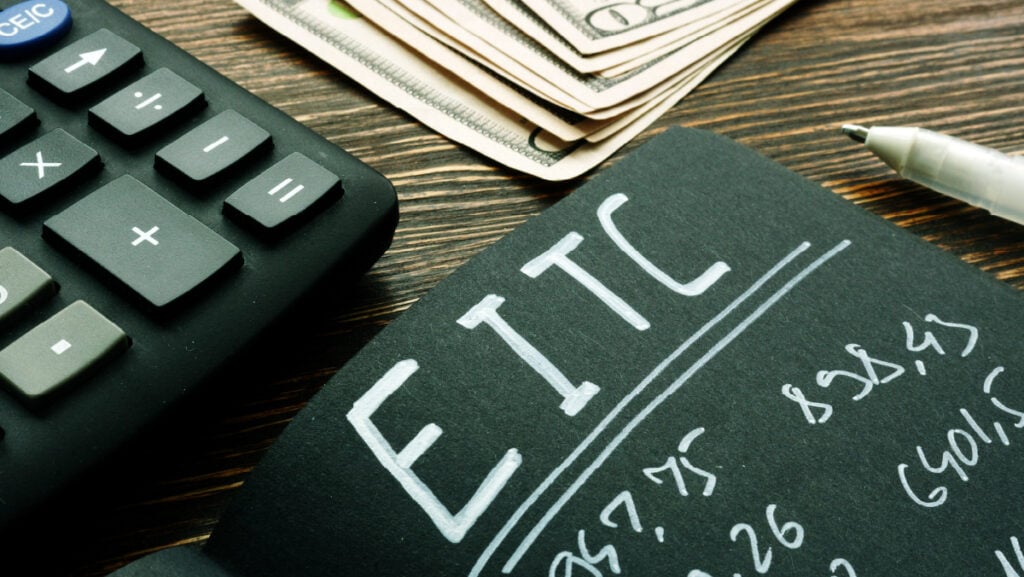
More than one in three young adults would benefit from workers without children being eligible to receive the federal EITC. This policy change would bolster young adults’ economic security.
One-time payments have become a common theme around the country, as Idaho is one of roughly eleven states with plans to provide tax relief in a similar fashion...
State Rundown 1/20: Governors Eyeing Tax Cuts in Yearly Addresses
January 20, 2022 • By ITEP Staff
A common theme is emerging out of states, as governors around the U.S. begin the year with their annual state speeches, and the news does not bode well for long-term growth and sustainable budgets...
State Rundown 1/13: The Tax Cuts Cometh, But There Is a Better Way
January 13, 2022 • By ITEP Staff
As expected, with the start of many new legislative sessions around the country, lawmakers have introduced a slew of tax cut plans following better-than-expected budget outlooks that have, so far, weathered the impact of the pandemic...

Rather than resorting to tax cuts, which can eventually create revenue shortfalls, lawmakers should determine whether they have adequately invested in people and communities. There are better ways to leverage tax systems to help those who need it most.
The Pendulum Is Swinging Toward Tax Justice
January 5, 2022 • By ITEP Staff, Jenice Robinson, Kamolika Das

Tax justice is deeply connected to the movements for equality and racial justice. Progressive tax policy can ensure more of us share in the prosperous economy that our collective tax dollars make possible. It can mitigate economic disparities by class and race. And it can make sure the government has the resources it needs to function for all of us.
The new year often brings with it a reinvigorated commitment to new goals and a fresh perspective on how to accomplish them, but it seems like lawmakers in states around the country are giving up already...
McClatchy: Parents Are Receiving Their Final Monthly Child Tax Credits. Will Congress Bring Them Back?
December 16, 2021
Continuing the expanded credit in 2022 would mean these savings for California families with tax cuts next year, according to the Institute on Taxation and Economic Policy: — Less than $29,100 income (lowest 20%): $4,080 — $29,100 to $51,700 (next 20%): $2,850 — $51,700 to $83,200 (next 20%): $2,780 — $83,200 to $151,100 (next 20%): […]
McClatchy: What would the Biden tax-break plan mean for your wallet?
December 7, 2021
Most families with children as well as taxpayers with higher six-figure incomes are the biggest California winners from the tax changes in the Biden administration’s Build Back Better plan so far. Middle income people see a somewhat smaller tax break on average, according to an analysis from the Institute on Taxation and Economic Policy, a […]
Here at ITEP we want to give thanks and say we’re grateful for all of the hard work that advocates in states across the country are doing to secure progressive tax policy victories...
Analysis of the House of Representatives’ Build Back Better Legislation
November 18, 2021 • By Carl Davis, Steve Wamhoff

If the bill becomes law, in 2022 federal taxes would go up for the average taxpayer among the richest one percent and down for the average taxpayer in other income groups.
State Rundown 11/10: It’s Beginning to Look a Lot Like…Election Season?!
November 10, 2021 • By ITEP Staff
If the leaves are turning colors and you find yourself walking out of the office into pitch-black darkness, it only means that time of the year is upon us—and no, I'm not talking about the holiday season. Before that, it’s the equally important election season...
The Impact of Work From Home on Commercial Property Values and the Property Tax in U.S. Cities
November 4, 2021 • By ITEP Staff
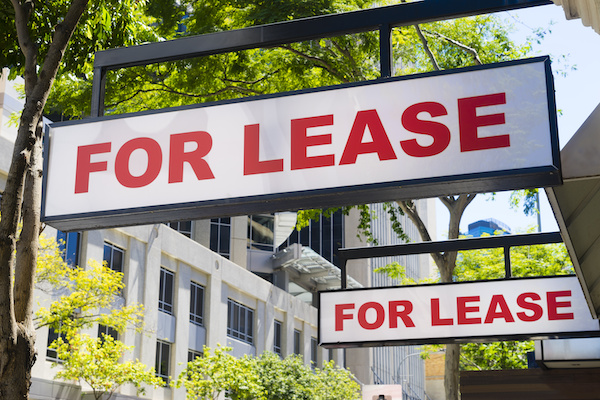
The fiscal implications of a decline in commercial property values are important because the property tax is the dominant local source of taxes, and commercial property makes up a significant portion of the property base in cities.
The end of Spooky Season is near but that hasn’t stopped state lawmakers from adding their frightening plans into the bubbling cauldron of bad tax policy ideas...
Boosting Incomes and Improving Tax Equity with State Earned Income Tax Credits in 2021
October 21, 2021 • By Aidan Davis
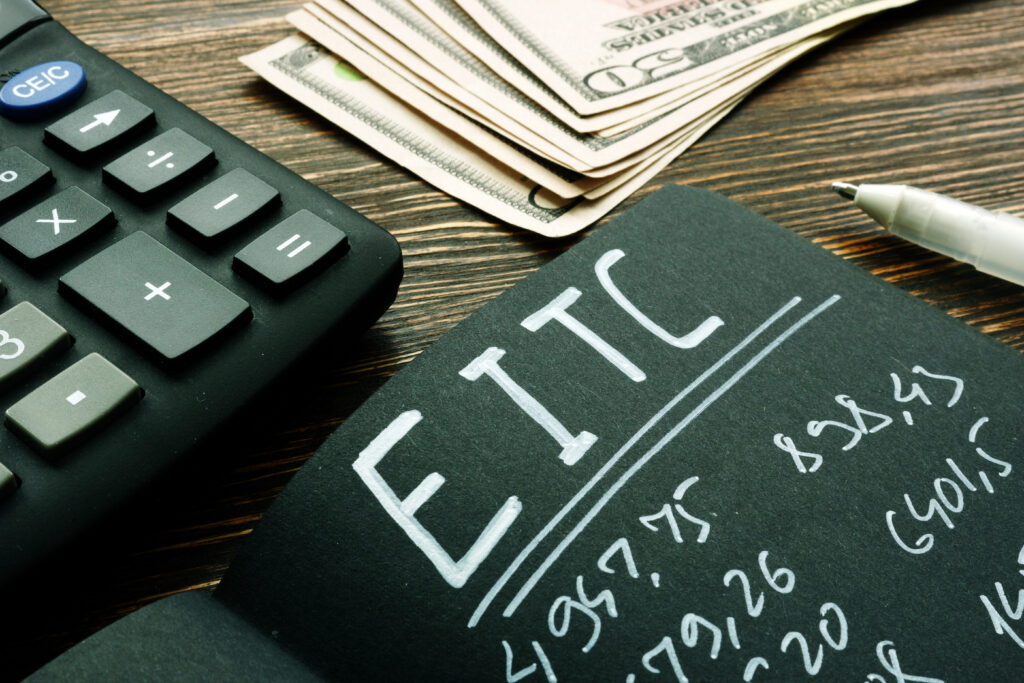
The EITC benefits low-income people of all races and ethnicities. But it is particularly impactful in historically excluded Black and Hispanic communities where discrimination in the labor market, inequitable educational systems, and countless other inequities have relegated a disproportionate share of people to low-wage jobs.
The release of the ‘Pandora Papers’ showed once again that states and their tax systems play an important role in wealth inequality, and in this case, worsening it...
McClatchy: Biden’s spending plan has big income tax changes. Here are the Californians who would benefit
October 12, 2021
Chief beneficiaries of tax cuts would be parents and very low-income workers without children who are among the lowest 20% of income earners, which means those making less than $29,100 in California. Increases in the Child Tax Credit and the Earned Income Tax Credit help people in their income bracket. “This is going to have […]
State Income Taxes and Racial Equity: Narrowing Racial Income and Wealth Gaps with State Personal Income Taxes
October 4, 2021 • By Carl Davis, Jessica Schieder, Marco Guzman
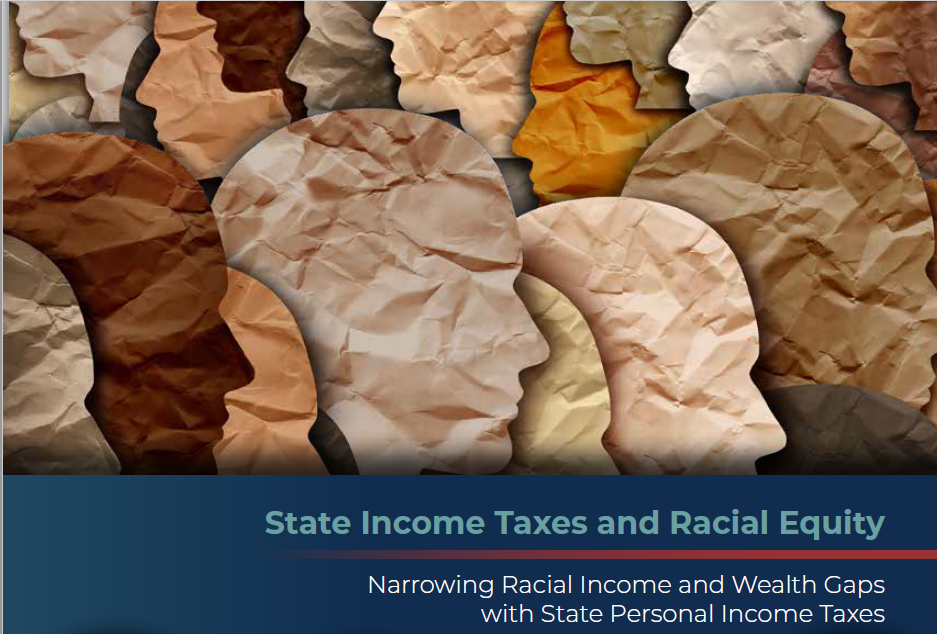
10 state personal income tax reforms that offer the most promising routes toward narrowing racial income and wealth gaps through the tax code.
Tax Changes in the House Ways and Means Committee Build Back Better Bill
September 21, 2021 • By ITEP Staff, Matthew Gardner, Steve Wamhoff

This report finds that the vast majority of these tax increases would be paid by the richest 1 percent of Americans and foreign investors. The bill’s most significant tax cuts -- expansions of the Child Tax Credit (CTC) and Earned Income Tax Credit (EITC) -- would more than offset the tax increases for the average taxpayer in all income groups except for the richest 5 percent.
Though we can’t fault anyone for being distracted by the major stories of the day, we at ITEP remain committed to keeping you up to date on what’s happening in the tax world around you...
