
Blog - Local Policy
37 posts
States are Talking About the Wrong Kind of Property Tax Cuts
May 11, 2023 • By Brakeyshia Samms, Carl Davis
Concerns over property tax affordability have been at the forefront this year as housing prices have climbed and property tax bills have often increased along with them. As lawmakers mull a range of property tax cuts, circuit breakers are the best possible approach—and these policies are receiving far too little attention in the states.

At nearly every turn, Oregon’s tax policies widen inequality; as a result, the top 1 percent pay less state and local taxes as a share of income than the poorest residents. Taxing capital gains at the local level is an important and exciting move in the other direction – to tax income from wealth and use it to address crucial needs.
From dedicating new taxes to fund climate action and public health to vacancy and “mansion” taxes, many local leaders are already exploring ways to make their tax systems more progressive and sustainable. ITEP is committed to helping local leaders and advocates build on this work by advancing knowledge about local tax solutions.
Punitive Fines and Fees Are an Invisible Cost of State Tax Cuts
April 4, 2022 • By Jenice Robinson
The deck is stacked against those who have the least, and ongoing racism makes it even more difficult for people of color to avoid punitive systems that are intentionally structured to extract what, for poor people, can be usurious penalties. The nation collectively shrugs about such injustices because they are either invisible or we chalk up entanglements in any legal morass to personal behavior. But the truth is that, indirectly, we are all part of the fines-and-fees matrix that entraps poor people in debt or keeps them tethered to the criminal justice system. None of us should look away.
Racial Discrimination in Home Appraisals Is a Problem That’s Now Getting Federal Attention
March 31, 2022 • By Brakeyshia Samms
With both assessments and appraisals being unfair, homeowners of color are stuck between a rock and a hard place when it comes to determining the worth of what is, for most homeowners, their most valuable asset.
Why Local Governments Need an Anti-Racist Approach to Property Assessments
August 5, 2021 • By Ambika Sinha
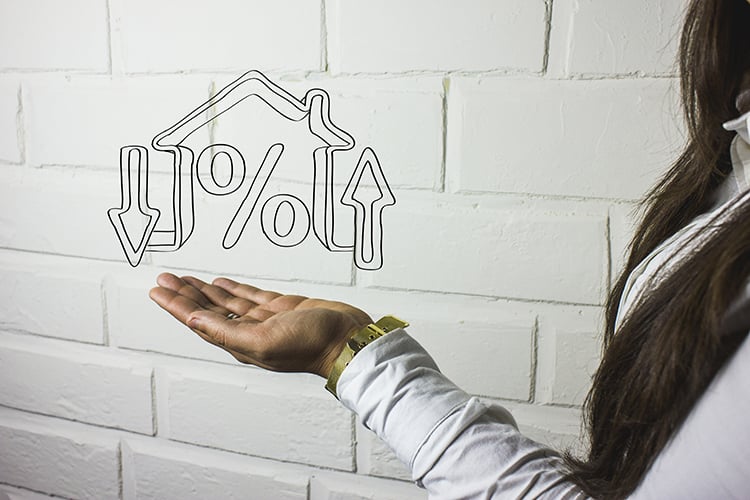
Property taxes are among the oldest and most relied upon form of local taxes. Revenue raised from these taxes funds education, firefighting, law enforcement, street and infrastructure maintenance, and other essential services. Though all members of the community enjoy these public goods, homeowners of color, especially Black families, pay more as a share of home value in property taxes than their white counterparts.
Gentrification and the Property Tax: How Circuit Breakers Can Help
April 27, 2021 • By David Crawford

Property tax circuit breakers are effective because they provide property tax relief to families whose property taxes surpass a certain percentage of their income. If a family in a gentrifying area sees their property tax bill (or their rent) surge to an unaffordable level, a circuit breaker credit kicks in to offer relief. This targeted approach assists low- and middle-income families without significantly reducing overall tax revenue.
A New Look at Taxes and Race at the State and Local Levels
March 31, 2021 • By Carl Davis, ITEP Staff, Meg Wiehe
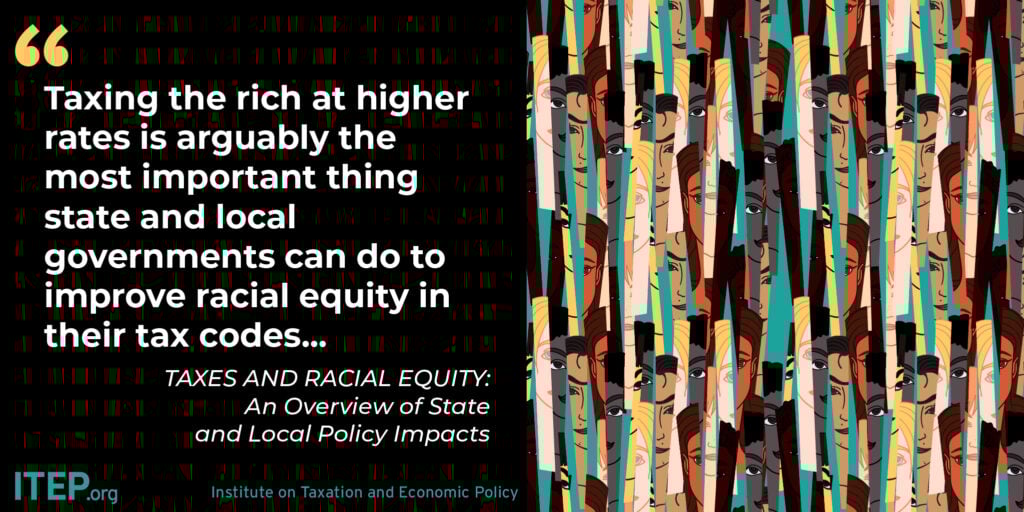
A new ITEP report reveals how different taxes have very different impacts on racial equity and unveils data for two states showcasing the consequences of their contrasting tax policy choices. In short, we find that income taxes can help narrow the racial income and wealth divides while sales taxes generally make those divides worse.
Why Local Jurisdictions’ Heavy Reliance on Fines and Fees Is a Tax Policy Issue
September 4, 2019 • By Meg Wiehe
The exposé (Addicted to Fines: Small Towns Are Dangerously Dependent) raises two important issues that policymakers have the power to address. One, lack of revenue at the local level is linked to a broader challenge with state tax systems. Two, fines and fees often entrap lower-income people in a cycle of debt and, in some jurisdictions, ultimately criminalize poverty by casting unpaid fines as misdemeanor crimes.
One Tax System for Most Americans, and a Second System for the Wealthiest
August 16, 2019 • By Matthew Gardner

Last year, the Walton family's fortune grew by $100 million a day. This level of wealth is particularly obscene in the context of the Walmart Corporation’s dark store strategy. The company works nationwide to reduce its property tax assessments, which, when successful, deprives local communities of revenue necessary to fund education, libraries, parks, public health and other services.
Housing for All? Developers Bulldoze Taxpayers in Affordable Housing Debate
December 4, 2018 • By Monica Miller
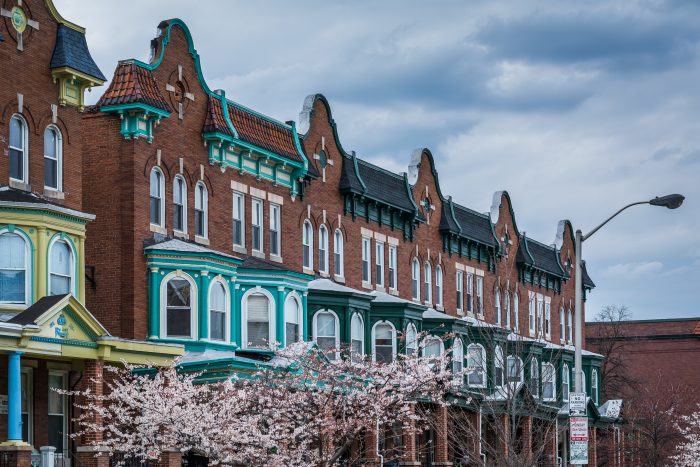
Affordable housing advocates across the nation are attempting to address the problem at the local level, but they often face political and community opposition. These challenges are currently playing out in Baltimore, which is turning into a case study in how the best-planned civic interventions run into tough road blocks when it comes to tax increases versus moneyed special interest who seek to block those tax increases.
A month ago, the Seattle City Council passed an income tax measure, which has garnered a lot of attention as well as volumes of supportive and opposition commentary. Haven’t had a chance to dive into the details yet? We’ve got you covered. What is the new income tax law and who does it impact? The […]
Blog Categories

Institute on Taxation
and Economic Policy
ITEP is a non-profit, non-partisan tax policy organization. We conduct rigorous analyses of tax and economic proposals and provide data-driven recommendations to shape equitable and sustainable tax systems.
Subscribe to ITEP Emails
Tax research and policy news in your inbox.
Promote Fair Tax Policy
Your gift to ITEP promotes tax justice. With your help, we do research that supports taxing millionaires and billionaires, taxing big corporations and raising revenue for the things our people, our communities and our planet need.
Together, we can create a country with more economic justice, more racial justice, more climate justice… and more tax justice.