
ITEP's Research Priorities
- 2025 tax debate
- Blog
- Cannabis Taxes
- Corporate Taxes
- Corporate Taxes
- Earned Income Tax Credit
- Education Tax Breaks
- Estate Tax
- Federal Policy
- Fines and Fees
- Georgia
- Immigration
- Income & Profits
- Income Taxes
- Inequality and the Economy
- ITEP Work in Action
- Local Income Taxes
- Local Policy
- Local Property Taxes
- Local Refundable Tax Credits
- Local Sales Taxes
- Maps
- Media Quotes
- News Releases
- OBBBA
- Other Revenues
- Personal Income Taxes
- Property & Wealth
- Property Taxes
- Property Taxes
- Publications
- Refundable Tax Credits
- Sales & Excise
- Sales, Gas and Excise Taxes
- Sales, Gas and Excise Taxes
- SALT Deduction
- Select Media Mentions
- Social Media
- Staff
- Staff Quotes
- State Corporate Taxes
- State Policy
- State Reports
- States
- Tax Analyses
- Tax Basics
- Tax Credits for Workers and Families
- Tax Credits for Workers and Families
- Tax Guide
- Tax Principles
- Tax Reform Options and Challenges
- Taxing Wealth and Income from Wealth
- Toolkits
- Trump Tax Law
- Trump Tax Policies
- Trump Tax Policies
- Trump-GOP Tax Law
- Video
- Webinar
- Who Pays?
State Rundown 4/8: Budget and Tax Packages Take Shape as Sine Die Approaches in Many States
April 8, 2026 • By ITEP Staff
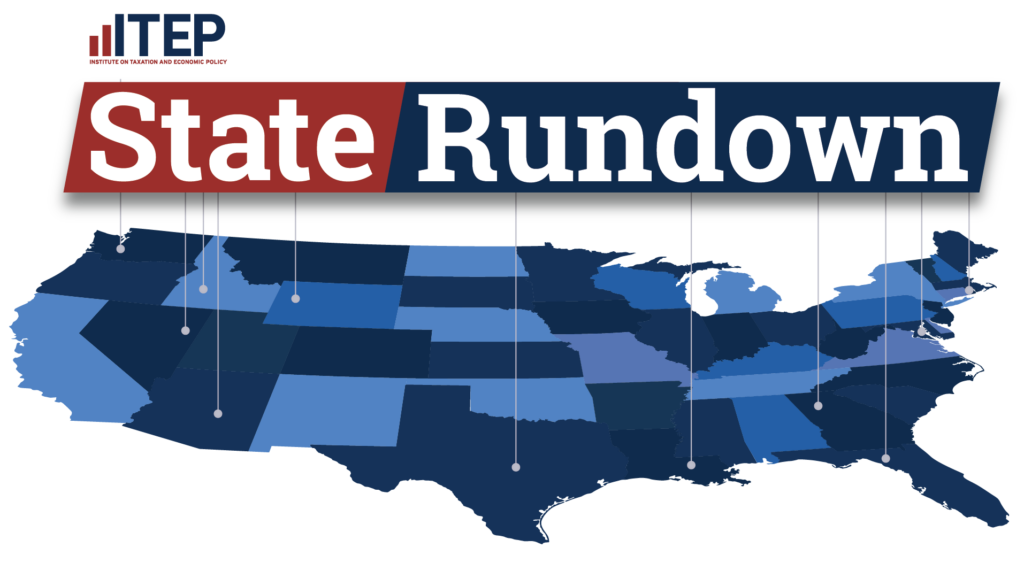
State legislative sessions are wrapping up, and final tax and budget packages are making their way to governors’ desks.
Despite Any Refunds, You’re Probably Paying More Taxes Under Trump While Richest Pay Less
April 8, 2026 • By Steve Wamhoff
For a large majority of Americans, the tax increase resulting from Trump’s tariffs, along with the ending of the health care tax credits, more than offsets any tax cuts provided by OBBBA. The exception is the richest 5 percent of Americans, for whom the net result is a tax cut on average.
Year One of Trump-Republican Tax Policy: The Consequences
April 6, 2026 • By Michael Ettlinger

President Trump has dramatically increased tariff taxes, enacted large tax cuts that primarily benefit the wealthy and corporations, dramatically curtailed IRS enforcement, and issued legally problematic regulations.
State Rundown 4/1: No Fooling Around Anymore in Washington, But Cruel Pranks in South Carolina
April 1, 2026 • By ITEP Staff
In Washington, Gov. Bob Ferguson and lawmakers decided to stop fooling around with one of the nation’s most upside-down tax codes and finally brought to life a new millionaires’ tax, the first new income tax created in a state since 1991.
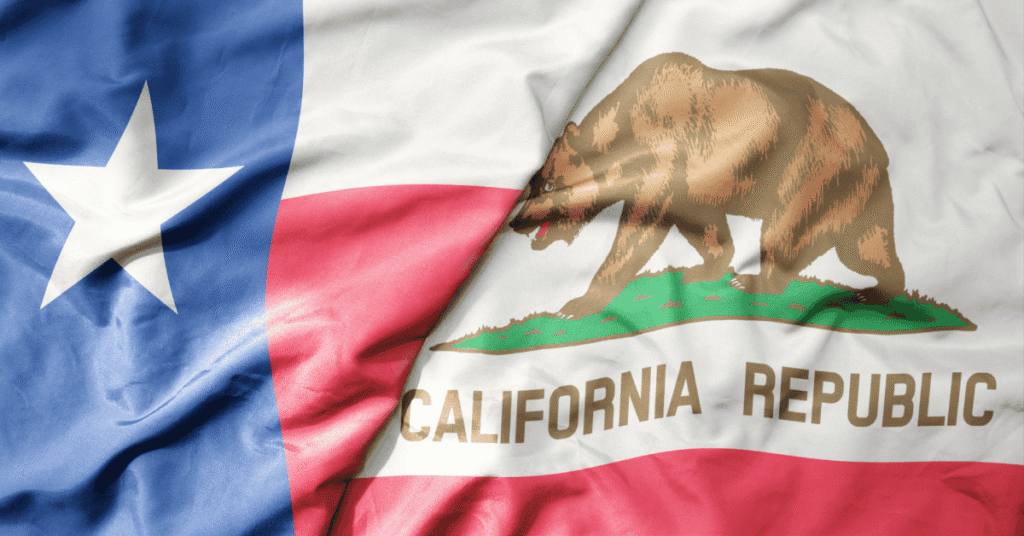
California Gov. Gavin Newsom went to Texas recently and claimed: “Texas taxes poor folks more than we tax our richest." He’s right.
South Carolina’s Expensive, Regressive Tax Law Will Eliminate State’s Income Tax
March 31, 2026 • By Neva Butkus, Dylan Grundman O'Neill

South Carolina signed into law a regressive tax cut that will disproportionately benefit the state’s highest-income residents while simultaneously jeopardizing the state’s ability to pay for basic public services in the years to come.
The Guardian: Washington State’s ‘Historic’ Millionaire Tax Takes Aim at Super-Rich – Will It Succeed?
March 31, 2026
This was very overdue, and people in Washington are really excited to see it,” she said. “The bottom line is that billionaires are walking away with a larger share of our economy every single year, and working people can’t afford the basics any more. This movement was growing, this moment was coming.”
How to Make the Rich and Corporations Pay for This Unpopular War
March 25, 2026 • By Michael Ettlinger

The war is widely unpopular. Whether the cost of the war ends up being $200 billion, more than that amount, or less, let’s at least have it paid for by those who can most afford it.
States Like Missouri Are Seeking to Raise Taxes on the Working Class to Cut Taxes for the Rich
March 25, 2026 • By Eli Byerly-Duke

A proposal to replace the Missouri personal income tax with a higher sales tax would increase costs for low- and middle-income households while giving the richest Missourians an average annual tax cut of almost $40,000.

The recent spike in gasoline prices is on pace to cost American drivers an extra $9.4 billion per month. Gas prices are up dramatically across the country, but the South has been hit hardest and is on pace to pay $4.2 billion more per month.
We Must Focus on Black Women to Reduce Inequity in the Tax Code
March 19, 2026 • By Brakeyshia Samms, Francine Lipman

As nice as it is to celebrate Women’s History Month, if we want a brighter future for women, we need to forge public policies that reduce inequity and include all of us.
State Rundown 3/18: New Mexico Enacts Most Significant Corporate Tax Reform of the Year
March 18, 2026 • By ITEP Staff
As states lawmakers continue to weigh their linkages to the federal tax code in light of the recent federal tax law, New Mexico provides a blueprint for limiting multinational corporate tax avoidance.
States Should Be Doing More About Corporate Tax Avoidance. New Mexico’s Tax Conformity Law Shows How.
March 17, 2026 • By Carl Davis

On top of declining to fold large federal business tax cuts into state law, New Mexico also took the monumental step of hardening the state’s corporate tax base against offshore profit shifting.
State Rundown 3/12: Washington Lawmakers Pass Millionaires’ Tax, Expand Working Families Tax Credit
March 12, 2026 • By ITEP Staff
Washington is on its way to making history after the legislature approved the “millionaires’ tax,” a 9.9 percent tax on income over $1 million. The bill, which is expected to raise more than $3 billion a year, making significant investments in public education and childcare, will also expand the Working Families Tax Credit – the […]

Sen. Chris Van Hollen has recently introduced the Working Americans’ Tax Cut Act, which offers a generous middle-class tax cut paid for with a new tax on millionaires.
Washington Millionaires’ Tax, Expanded Working Families Tax Credit Make Tax Code Fairer
March 12, 2026 • By Marco Guzman, Dylan Grundman O'Neill

The Washington legislature has approved a new "millionaires' tax," a 9.9 percent tax on income over $1 million. The bill, which makes significant investments in public education and child care, will also expand the Working Families Tax Credit – the state’s EITC – to reach an additional 460,000 households.
The Child Tax Credit Leaves Out Millions of Children in 2026. There Are Better Alternatives.
March 10, 2026 • By Joe Hughes

The 2025 Trump tax law slightly increased the Child Tax Credit in a way that benefits virtually none of the children who most need help.
Governor Should Put New Mexico’s Tax Interests First
March 6, 2026 • By Amy Hanauer, Amber Wallin

By decoupling from three misguided federal corporate income tax cuts under the One Big Beautiful Bill, plus taking steps to curb unfair corporate tax avoidance, SB 151 would raise and safeguard more than $120 million annually.
As many state legislative sessions near or cross the halfway point, lawmakers are facing tough choices.
New Income Tax Disclosure Rules Mean Halliburton Can No Longer Conceal Its Offshore Tax Avoidance
March 2, 2026 • By Matthew Gardner

The company’s latest annual report throws the doors wide open once again on Halliburton’s penchant for offshoring its profits to tax havens, thanks to terrific new disclosure rules introduced by an obscure but vital agency, the Financial Accounting Standards Board (FASB).
National Sausage Month isn’t until October, but now is the time of year when state lawmakers are really diving into their sausage-making processes, as separate legislative houses and oftentimes political parties send competing bills, budgets, and visions back and forth to grind out their differences.
Pioneer Institute Criticizes ITEP For Not Writing the Paper They Would Have Written
February 25, 2026 • By Eli Byerly-Duke

Voters, lawmakers, researchers, and advocates frequently disagree about ideal tax policy. But the facts here speak for themselves.
Yum! Brands’ Recipe for Tax Avoidance: Trump Tax Cuts with a Dash of Malta
February 24, 2026 • By Matthew Gardner

the fast-food multinational that owns KFC, Taco Bell, and Pizza Hut reported this week that it made $1 billion of pretax profits in the U.S. last year—and didn’t pay a dime of federal income taxes on those profits.
D.C Fiscal Policy Institute: DC Can Raise $121 Million or More with a Simple Tax on Proceeds from Wealth
February 24, 2026
DC can raise needed revenue and address tax inequity by taxing more of the gains, or proceeds, generated by wealth—such as capital gains, dividends, and other forms of passive income. DC’s tax system protects and grows wealth concentration through myriad preferences and loopholes, exacerbating racial and economic inequality. This special treatment also prevents the District […]
St. Louis Magazine: How St. Louis County’s Senior Tax Freeze Takes from the Young to Give to the Old
February 24, 2026
The year-old senior tax freeze in St. Louis County, which allows seniors to lock in a portion of their property tax bills as property values appreciate, has already poked holes in school district budgets in its first year. Districts in the county expect losses to mount as property values rise, with the highest impact likely […]

Institute on Taxation
and Economic Policy
ITEP is a non-profit, non-partisan tax policy organization. We conduct rigorous analyses of tax and economic proposals and provide data-driven recommendations to shape equitable and sustainable tax systems.
Subscribe to ITEP Emails
Tax research and policy news in your inbox.
Promote Fair Tax Policy
Your gift to ITEP promotes tax justice. With your help, we do research that supports taxing millionaires and billionaires, taxing big corporations and raising revenue for the things our people, our communities and our planet need.
Together, we can create a country with more economic justice, more racial justice, more climate justice… and more tax justice.