
2,364 posts

New Fiscal Year Brings New Challenges and Opportunities in the States
• By Kamolika Das
July 1—the start of the new fiscal year in most states—typically marks a point when one can take a step back and reflect on the wins and disappointments of the past state legislative sessions. 2020 is markedly different. Nationwide business closures and stay-at-home orders in response to COVID-19 have led to unprecedented spikes in unemployment, decreased demand for consumer spending, and increased demand for vital public services. As a result, states face incredibly uncertain financial…
Nonprofit Quarterly: The $370 Billion Fiscal Cliff: Why State Budgets Need Our Attention
June 30, 2020
A 2018 study released by the nonprofit Institute on Taxation and Economic Policy finds that the poorest fifth spend on average 11.4 percent of their income on state and local taxes, compared to 7.4 percent for the top one percent. As Peter Sabonis wrote for NPQ this spring, particularly during times of crisis, we rely […]
Law 360: Biz Tax Credit Proposals Would Aid Wealthy, Report Says
June 30, 2020
Republican proposals to make business tax credits refundable to mitigate the economic downturn caused by the novel coronavirus pandemic would provide unnecessary tax breaks to high-income people, the Institute on Taxation and Economic Policy said in a report. Read more
POLITICO Morning Tax: Welcome, commissioner
June 30, 2020
FOOT OFF THE ACCELERATOR, PLEASE: The Institute on Taxation and Economic Policy’s Matthew Gardner and Steve Wamhoff maintain in a new paper that the proposals to allow companies to cash out on their tax credits won’t just help businesses in desperate need of cash. Instead, they argue that companies like Amazon and Netflix, which are already […]

Republican Tax Credit Proposal Would Provide New Breaks to Tax Avoiders Like Amazon and Netflix
• By Matthew Gardner, Steve Wamhoff
While lawmakers of both parties and policy experts discuss various ways to respond to the continuing COVID-19 crisis and resulting economic downturn, Republicans in Congress are offering a new solution. Their idea, which is still being discussed, is to waive existing limits on business tax credits. This could benefit corporations that are profitable but that nonetheless pay no taxes or very little in taxes because of the many tax breaks and legal loopholes they already…

Beyond SCOTUS: States Recognize Need for More Inclusive Immigrant Policy
• By Marco Guzman
The U.S. Supreme Court last week halted an effort by the Trump administration that would have stripped DACA (Deferred Action for Childhood Arrivals) recipients of their lawful status in the country. The 5-4 ruling is a significant victory for immigrant rights advocates and over 643,000 Dreamers—as they’re known—who were brought here as children and have […]

McSally “Travel Tax Credit” Is an Invitation for Tax Avoidance
• By Matthew Gardner
Earlier this week, U.S. Sen. Martha McSally (R-AZ) introduced the “American TRIP Act,” a bill ostensibly designed to encourage Americans to boost the economy by traveling within the United States. The bill is certainly a trip in the colloquial sense of the word.
The Fiscal Times: A ‘Wacky’ Tax Credit Idea: $4,000 for Vacation
June 23, 2020
Matthew Gardner, a senior fellow at the Institute on Taxation and Economic Policy, says that the loose requirements in the bill mean “that any car owner with an ounce of creativity should be able to gin up an excuse for taking a tax credit for every tank of gas they’ve purchased in 2020.” That, says […]

ITEP supports Black Lives Matter
• By Amy Hanauer
The Institute on Taxation and Economic Policy stands with activists who are guiding the movement to transform America, dismantle systemic racism in policing, and envision a better justice system. Committed protestors in big cities, small towns, and suburban enclaves have spurred a sea change in public opinion and policy possibility on policing and incarceration. Their work and activism builds on years of action by Black Lives Matter and other leaders.
The Dallas Morning News: DACA Texans Are Essential to our COVID-19 Response and Economic Future
June 22, 2020
In total, Texas is home to more than 107,000 DACA recipients, according to U.S. Citizenship and Immigration Services. Those DACA recipients pay $244.5 million annually in state and local taxes, the Institute on Taxation and Economic Policy estimates. Read more
Sentinel & Enterprise: It’s Been a Year Without Equal
June 21, 2020
Instead, the last real action on the fiscal 2021 budget came in January when Baker rolled out a $44.6 billion spending plan that would have its underlying assumptions wiped away before lawmakers could try their hands at producing a budget of their own. The Institute on Taxation and Economic Policy this week said that “despite […]
CNN: This Is Who’s Affected by the Supreme Court Decision on DACA
June 18, 2020
According to a 2018 report from the Institute on Taxation and Economic Policy, the young undocumented immigrants who are enrolled in DACA and those who would be eligible for the program if it were still accepting new applicants contribute about $1.7 billion in state and local taxes annually. That figure includes personal income, property, and […]
New Jersey Policy Perspective: Unemployment Insurance Taxes Paid by Undocumented Workers Top $1 Billion
• By ITEP Staff
Over the past ten years, unemployment insurance taxes paid based on undocumented immigrants’ work in New Jersey added more than $1.36 billion to state and federal unemployment insurance trust funds, according to a recent analysis conducted by the Institute on Taxation and Economic Policy and the Fiscal Policy Institute. In addition to contributions to unemployment […]

Tax Justice and Racial Justice: Transformative Change Is Overdue
• By Amy Hanauer, ITEP Staff
Progressive tax policy can spur deep investments in communities, help families afford childcare and college, provide healthcare for everyone, re-imagine energy consumption to stop heating the planet, expand parks and bike lanes and public transit. Economic justice can give workers a greater voice than corporations in our democracy. People are protesting because the moment for transformative change in policing and our economy is long overdue.
Crain’s New York Business: Legalizing Marijuana Can’t Cure Inequality, But It Will Ease Budget Crisis
June 14, 2020
My methodology is informed by the work of Carl Davis, research director at the Institute on Taxation and Economic Policy, who recently published a thoughtful blog post on per-capita cannabis excise tax collections. Davis found that last year more than $1.9 billion of tax revenue was collected across seven adult-use states (Alaska, California, Colorado, Massachusetts, Nevada, Oregon, […]

COVID-19 Unveils Need for Fair Taxation at the State Level
• By Guest Blogger
Most people assume that the federal government is the main—if not only—agent for ensuring economic stability and recovery in response to COVID. Yet, the fight for tax fairness at the state level will have a dramatic impact on economic recovery.
New Jersey Policy Perspective: Road to Recovery: Reforming New Jersey’s Income Tax Code
• By ITEP Staff
A sensible way to address revenue shortfalls and an unfair tax code is to raise income taxes on the state’s wealthiest households. By reforming New Jersey’s income tax, our recovery can be strengthened by reducing the tax burden that low-paid and middle class families pay, while generating more revenue for public programs and services that […]
POLITICO: States Move Cautiously in Contending With Huge Budget Gaps
June 5, 2020
“This crisis is still in its very early stages,” said Carl Davis of the Institute on Taxation and Economic Policy. Davis noted that the last recession began in December 2007, about nine months before the global financial system really imploded. And yet, many state tax increases didn’t happen until 2009 or even later as they […]
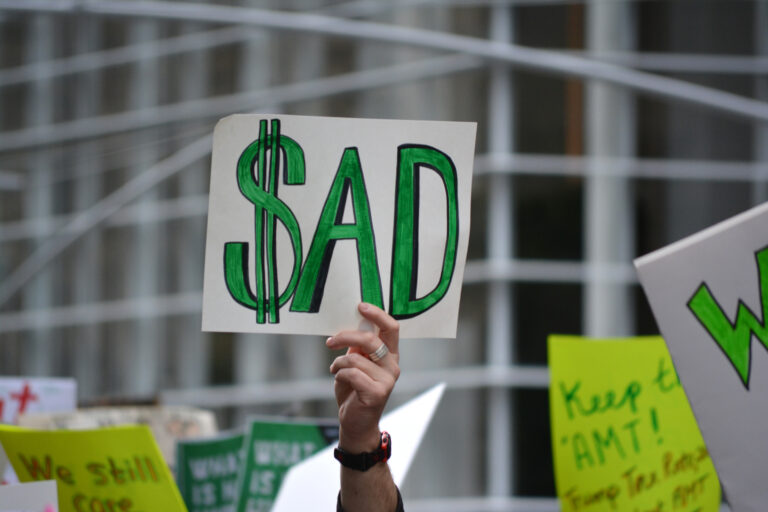
White House Incredibly Still Believes Tax Cuts Are the Answer to America’s Problems
• By Steve Wamhoff
White House officials continue to discuss tax cuts in response to the COVID-19 pandemic. Steve Wamhoff provides a roundup of these terrible ideas that would do little to boost investment or reach those who need it most.

Depreciation Breaks Have Saved 20 Major Corporations $26.5 Billion Over Past Two Years
• By ITEP Staff, Matthew Gardner, Steve Wamhoff
The Trump administration and its congressional allies have proposed making permanent the expensing provision in the Trump-GOP tax law. Expensing is the most extreme form of accelerated depreciation, which allows businesses to deduct the cost of purchasing equipment more quickly than it wears out. But expensing and other types of accelerated depreciation already account for a very large share of corporate tax breaks and allows many companies to pay nothing at all.
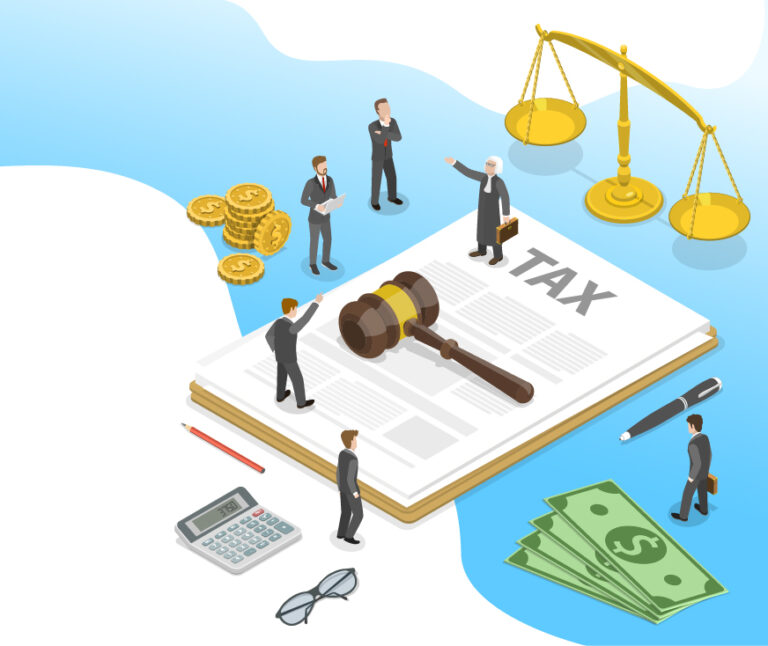
Trump-GOP Tax Law Encourages Companies to Move Jobs Offshore–and New Tax Cuts Won’t Change That
• By ITEP Staff, Matthew Gardner, Steve Wamhoff
New tax cuts to incentivize bringing jobs back to the United States will fail. No new tax provisions can be more generous than the zero percent rate the 2017 law provides for many offshore profits or the loopholes that allow corporations to shift profits to countries with minimal or no corporate income taxes.
Minneapolis Star Tribune: Minnesota Companies Cashing in on CARES Act Business Tax Breaks
June 2, 2020
Other taxation watchdogs call it a windfall, and one that disproportionately benefits large companies with volatile earnings, not the neighborhood auto shop or hair salon whose business vanished in the wake of COVID-19. Plus, unlike the Paycheck Protection Program, which has limits on how the loans can be used in order for the loan to […]
Salon.com: About 75% of Trump’s Proposed Coronavirus Capital Gains Tax Cut Would Go to the Top 1% of Earners
May 30, 2020
Steve Wamhoff, the director of federal tax policy at the liberal-leaning Institute on Taxation and Economic Policy (ITEP), argued that “proponents of capital gains tax breaks have always offered a weak argument that they encourage investment” but Trump’s proposal is more dubious given that it is only a temporary cut. A temporary cut “is supported […]

Trump Administration Stops Pretending to Care About the Economy with Its Capital Gains Tax Proposal
• By Steve Wamhoff
Proponents of capital gains tax breaks have always offered a weak argument that they encourage investment and thereby grow the economy. But the Trump administration is now floating a temporary capital gains tax break, which is supported by no argument at all. It would only reward investments made in the past while doing nothing to encourage new investment.
Yahoo Finance: Biden Hits Amazon on Taxes, Which May Benefit From the Coronavirus Outbreak
May 22, 2020
While the numbers prove its savviness for capitalizing on advantages under the U.S. Tax Code, newly available deductions under the CARES Act make tax savings even more accessible. And with the windfalls, tax experts believe Amazon appears positioned to reduce its federal tax liability to at or near zero, again, in 2020. “I’d say their […]

Institute on Taxation
and Economic Policy
ITEP is a non-profit, non-partisan tax policy organization. We conduct rigorous analyses of tax and economic proposals and provide data-driven recommendations to shape equitable and sustainable tax systems.
Subscribe to ITEP Emails
Tax research and policy news in your inbox.
Promote Fair Tax Policy
Your gift to ITEP promotes tax justice. With your help, we do research that supports taxing millionaires and billionaires, taxing big corporations and raising revenue for the things our people, our communities and our planet need.
Together, we can create a country with more economic justice, more racial justice, more climate justice… and more tax justice.