
ITEP's Research Priorities
- 2025 tax debate
- Blog
- Cannabis Taxes
- Corporate Taxes
- Corporate Taxes
- Earned Income Tax Credit
- Education Tax Breaks
- Estate Tax
- Federal Policy
- Fines and Fees
- Georgia
- Immigration
- Income & Profits
- Income Taxes
- Inequality and the Economy
- ITEP Work in Action
- Local Income Taxes
- Local Policy
- Local Property Taxes
- Local Refundable Tax Credits
- Local Sales Taxes
- Maps
- Media Quotes
- News Releases
- OBBBA
- Other Revenues
- Personal Income Taxes
- Property & Wealth
- Property Taxes
- Property Taxes
- Publications
- Refundable Tax Credits
- Sales & Excise
- Sales, Gas and Excise Taxes
- Sales, Gas and Excise Taxes
- SALT Deduction
- Select Media Mentions
- Social Media
- Staff
- Staff Quotes
- State Corporate Taxes
- State Policy
- State Reports
- States
- Tax Analyses
- Tax Basics
- Tax Credits for Workers and Families
- Tax Credits for Workers and Families
- Tax Guide
- Tax Principles
- Tax Reform Options and Challenges
- Taxing Wealth and Income from Wealth
- Toolkits
- Trump Tax Law
- Trump Tax Policies
- Trump Tax Policies
- Trump-GOP Tax Law
- Video
- Webinar
- Who Pays?
Associated Press: Georgia Republicans Move to Scrap State Income Tax by 2032 Despite Concerns
January 8, 2026
Eliminating state income taxes sounds great to many voters, but Republicans backing the push in multiple states still face questions about whether such big tax cuts can be made without raising other taxes or sharply cutting state funding for education, health care and other services. Read more.
State Rundown 1/7: New Year, New Opportunities for Progressive Revenue
January 7, 2026 • By ITEP Staff
As we kick off a new year, several states are facing revenue shortfalls. Some lawmakers are approaching the challenge with sustainable and equitable solutions.
Washington Governor’s Office: Governor Ferguson Announces Support for Millionaires’ Tax
January 6, 2026
Washington ranks next to last for fairness and equality in our tax system — meaning those who make the least pay much larger shares of their income than those with the most resources. Washington families whose income is in the bottom 20% pay 13.8% of their total income in taxes, while those whose income is […]
Newsweek: US Property Tax Changes Coming in 2026
January 5, 2026
Property tax reform has been a hot topic across the country this year, especially in Republican-led states, as lawmakers and politicians try to offer relief to homeowners struggling with higher bills; and experts believe it will remain at the forefront in 2026—with many states continuing to push for the complete elimination of property taxes. Read […]
HeraldNet: Editorial: ‘Millionaires’ tax’ can deliver fairness, revenue
January 5, 2026
We should all hope we’d be in the financial position where we’d have to pay Gov. Bob Ferguson’s proposed “millionaires’ tax,” because — as the name implies — it would levy a tax on annual income above $1 million, meaning we’d be doing pretty well. Read more.
Kentucky Center for Economic Policy: In New Poll, Kentuckians Say Income Tax Cuts Aren’t Helping
January 5, 2026
Kentucky’s legislative leaders have made reducing the state’s individual income tax rate their top priority in recent years. Lawmakers have repeatedly acted on that, reducing the rate several times and costing the state billions annually that could have been invested in kids and families. Read more.
Public Assets Institute: State of Working Vermont 2025
January 5, 2026
In many ways, 2025 has been a year like no other. Federal actions affecting the state have been fast and furious: freezing grants, eliminating housing supports, withholding or slashing food benefits and heating assistance, decimating healthcare access both by cutting Medicaid and ending enhanced insurance premium tax credits. All of this adds up to hundreds of […]
NC Budget & Tax Center: Jan. 1: Tax cuts for the rich in NC — still no state budget
January 5, 2026
The New Year will bring little certainty to everyday North Carolinians. State legislators have failed to use the policy tools available to them to address rising costs for the basics, from food to child-care to housing. Read more.
Don’t Be Fooled by Treasury’s Jekyll and Hyde Approach to Tax Enforcement
December 31, 2025 • By Matthew Gardner

While this guidance is sorely needed to clean up the mess created by a hasty Congress, these notices stand in sharp contrast to the deregulatory, anti-tax approach that the Treasury Department has taken.
Pennsylvania Just Gave Low-Income Workers a Tax Credit Boost. Now It’s Philadelphia’s Turn.
December 30, 2025 • By Kamolika Das

In the same way states are building upon federal tax credits, localities should consider building on state tax credits.

His 900-word New York Times op-ed identifies some sensible federal tax reform ideas that would create a fairer, more sustainable tax system.
States Can Create or Expand Refundable Credits by Taxing Wealth, Addressing Federal Conformity
December 19, 2025 • By Zachary Sarver

Many states already recognize the potential of these credits to boost low- and moderate-income households. Other states should follow suit.
Texas Property Tax Plan Mimics California’s Damaging Prop 13
December 19, 2025 • By Neva Butkus, Rita Jefferson

This proposal would disrupt the state’s housing market and jeopardize local revenues while doing very little to help workers and families struggling to pay their property tax bills – just as Prop 13 did in California.
State Rundown 12/17: Tax Policy ‘Naughty or Nice’ List Has Late Entrants
December 17, 2025 • By ITEP Staff
With a little over a week left, some states are solidifying their spots on the tax policy “naughty or nice” list.
No, Scott Bessent: States Aren’t Taking Away Anyone’s Tax Cuts
December 11, 2025 • By Nick Johnson

It’s wildly inappropriate for a U.S. Treasury Secretary to lean on states to adopt or not adopt specific federal provisions in their own state tax codes.
property tax debates are taking place throughout the nation.
States are increasingly facing difficult choices as revenues stagnate and deficits come clearer into focus.
Conforming to the ‘No Tax on Tips’ Gimmick Just Got Riskier and Costlier for States
November 25, 2025 • By Nick Johnson

An unknown number of workers who previously were assumed to be ineligible for the tax break may nonetheless claim it.
State Rundown 11/24: States Say ‘No Thank You’ to Federal Tax Cuts Reducing State Revenue
November 24, 2025 • By ITEP Staff
Lawmakers in two more states have wisely said “no thank you” to federal tax cuts that would have flowed through to their state tax codes and undermined funding for their priorities

State governments are rushing to offer billions of dollars in subsidies to data center construction, apparently without understanding their full costs.

Vacancy taxes will not single-handedly solve problems in cities, but they are worth considering to address housing shortages, land use, and building thriving communities.
State Rundown 11/13: States Tackle Impending Deficits, Pennsylvania Secures an EITC
November 13, 2025 • By ITEP Staff
Revenue forecasts look increasingly grim as states anticipate shortfalls due to the slowing economy and impacts of the new federal tax law.
State Tax Dollars Shouldn’t Subsidize Federal Opportunity Zones
November 12, 2025 • By Eli Byerly-Duke

The Opportunity Zones program benefits wealthy investors more than it benefits disadvantaged communities.
States Begin Decoupling from Flawed ‘QSBS’ Tax Break
November 6, 2025 • By Nick Johnson, Sarah Austin

A costly tax break for wealthy venture capitalists is drawing some critical attention from state policymakers.
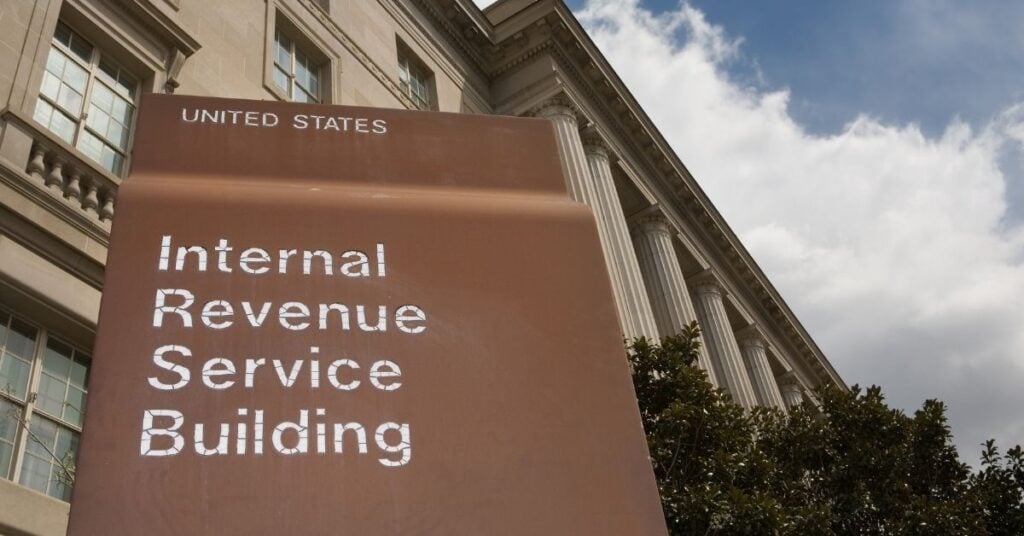
The move was expected, given heavy lobbying from tax prep companies like Intuit and H&R Block to put a halt to the IRS’s popular Direct File program.

Institute on Taxation
and Economic Policy
ITEP is a non-profit, non-partisan tax policy organization. We conduct rigorous analyses of tax and economic proposals and provide data-driven recommendations to shape equitable and sustainable tax systems.
Subscribe to ITEP Emails
Tax research and policy news in your inbox.
Promote Fair Tax Policy
Your gift to ITEP promotes tax justice. With your help, we do research that supports taxing millionaires and billionaires, taxing big corporations and raising revenue for the things our people, our communities and our planet need.
Together, we can create a country with more economic justice, more racial justice, more climate justice… and more tax justice.