
2,364 posts

The Trump Megabill Hands the Rich a Gift — and Sends the Bill to Young Americans
• By Angie Sumo
Trump's megabill directs most benefits to the wealthy, while leaving younger generations with higher taxes, more debt, and fewer opportunities. For Millennials and Gen Z, it means reduced public investment and an economy less likely to work in their favor.
Economic Policy Institute: Unions Aren’t Just Good for Workers—They Also Benefit Communities and Democracy
• By ITEP Staff
Rebuilding worker power by strengthening unions is not just good policy—it is a democratic imperative in the face of authoritarian backsliding.
AP News: Georgia Republicans, Against Backdrop of 2026 Election, Push to Eliminate State Income Tax
August 20, 2025
As the 2026 election looms, Georgia Republicans seeking higher office met Tuesday to begin exploring plans to eliminate the state’s personal income tax.
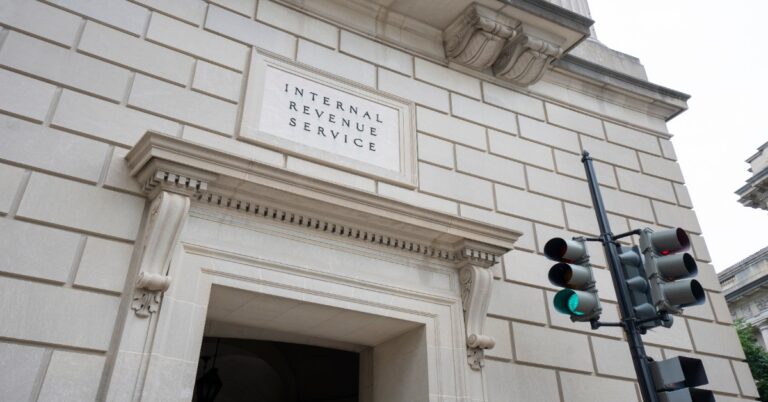
Trump Administration’s English-Only IRS Would Undermine Public Trust and Boost Budget Deficits
• By Matthew Gardner
The Trump administration’s push to make English the official U.S. language threatens decades of progress in taxpayer services for non-English speakers, risking cuts to IRS multilingual support, harder tax filing, lower compliance, and an undermined agency mission.
Barron’s: Social Security Is 90 Years Old. Trump Just Weighed In.
August 15, 2025
President Donald Trump marked Social Security’s 90th birthday on Thursday afternoon, celebrating his administration’s commitment to the program even as it remains in dire need of a fix.
Nonprofit Quarterly: Class Not Dismissed: Mamdani, Nonprofits, and the Fight for Economic Justice
August 14, 2025
In New York City, we can point to the boldface success of Zohran Mamdani as an example. Recently nominated as the Democratic mayoral candidate, his affordability push focuses on creating better options for the working and middle class, such as a network of city-owned grocery stores that reduce the cost of food and affordable housing—all of which led to his big success with the city’s voters. Whatever one makes of his candidacy, it would seem…
Wall Street Journal: Blue States Hunt for Ways to Wring More Taxes From the Wealthy
August 14, 2025
A growing number of blue cities and states across the country, from Washington state to Rhode Island, are looking at ways to wring more revenue from their richest taxpayers.

Trump’s Tax Law Clobbers State Budgets. Now’s the Time to Prepare.
• By ITEP Staff
The Trump megabill hands the richest 1% a trillion-dollar windfall while gutting funding for health care, education, and disaster relief — leaving communities to pick up the pieces. State and local leaders must step up, tax the wealthiest fairly, and safeguard the essentials that keep America healthy, educated, and safe.
CT Mirror: Sales Tax Holidays Under Fire as CT Launches Its Promotion
August 13, 2025
Progressive organizations note that relatively brief exemption periods, usually limited to a week or even just a weekend, deliver extremely modest relief to consumers, often helping poor households the least.
The Sacramento Bee: Why California’s Wealthiest Tax Payers Could Get Less of a Trump Tax Break
August 12, 2025
The rich will get richer from President Donald Trump’s Big Beautiful Bill’s tax provisions – but California’s millionaires won’t get as much of a benefit as their counterparts in most other states.
The Guardian: IRS Commissioner’s Removal Reportedly Over Clash on Undocumented Immigrant Data
August 11, 2025
The removal of the Internal Revenue Service commissioner Billy Long after just two months in the post came after the federal tax collection agency said it could not release some information on taxpayers suspected of being in the US illegally, it was reported on Saturday.
CNBC: These States Have Sales Tax Holidays in 2025. Here’s Who Stands to Benefit, Tax Experts Say
August 11, 2025
Every year, a handful of states offer shoppers a temporary tax break to encourage spending. This year, some of those “sales tax holidays” are happening as President Donald Trump’s tariffs threaten to hike prices.
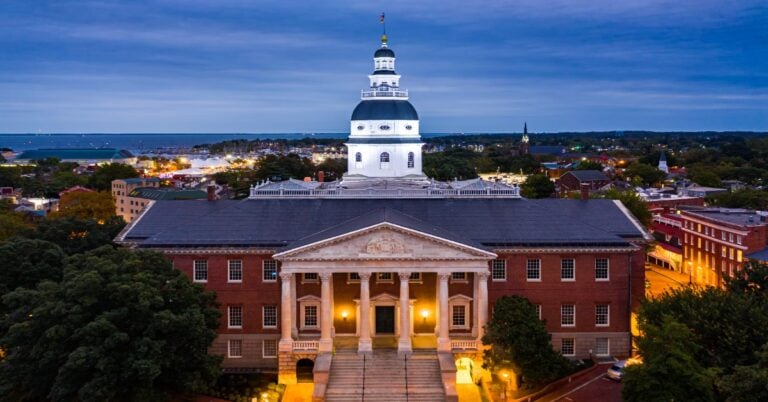
How Maryland’s Tax Reforms Advance Racial and Economic Equity
• By Vanessa Woods
Maryland is taking aim at income and racial disparities through a revised personal income tax. By raising taxes on high earners and cutting them for most households across racial and ethnic lines, the state is proving that progressive tax policy can drive both equity and revenue.
Hawai’i Appleseed: Incoming Federal Tax Cuts Will Heavily Favor Hawaiʻi’s Wealthiest Residents
• By ITEP Staff
Recently-signed federal legislation will cut taxes for the wealthy. The Institute on Taxation and Economic Policy (ITEP) analysis of the Senate Reconciliation Bill—promoted as the One Big Beautiful Bill Act—has found that its tax provisions overwhelmingly benefit the wealthiest Americans, while offering less relief to working families.

Trump’s Firing of BLS Commissioner is Part of Larger Erosion of Federal Data Infrastructure
• By Emma Sifre
Last week, President Trump fired the Commissioner of the Bureau of Labor Statistics in apparent retaliation for weak jobs numbers. The move drew sharp criticism for spooking investors and weakening trust in official data. But it also reflects a deeper problem: the ongoing erosion of the federal data infrastructure.
New Hampshire Fiscal Policy Institute: New Federal Reconciliation Law Reduces Taxes, Health Access, and Food Assistance Supports for Granite Staters
• By ITEP Staff
The new federal reconciliation law, signed on July 4, 2025, makes significant changes to programs that will impact Granite Staters. These changes include direct interactions with individuals and families, including reducing taxes for most residents, particularly those with higher incomes, and limiting access to both health services and food assistance. The new law also impacts the financial outlooks for both the State and federal governments, which may affect subsequent policy choices and services.
United Ways of California: The Economic Impact of Immigrants in California
• By ITEP Staff
Communities across California are feeling the effects of immigration raids and mass deportation efforts, both in the fabric of their communities as well as their economies. Actions and threats against employees, jobs, and neighbors will have a profound impact on our state and nation in both the short and long term. Here, we delve deeper into one aspect of why by discussing the impact immigrants have on our economy.
Center for American Progress: 2024 Findings Reveal What’s at Stake for Recipients and the United States
• By ITEP Staff
The 10th annual DACA survey illustrates the positive contributions that DACA recipients have made to America and reveals the significant, widespread disruptions that would result from ending DACA, highlighting more than ever the need for congressional action to provide pathways to citizenship for recipients.
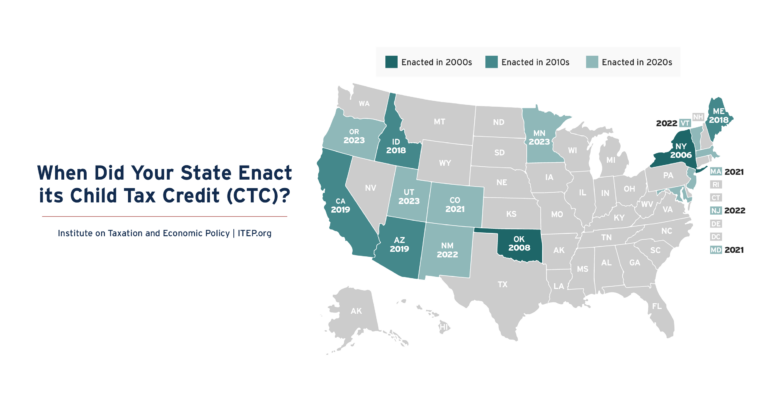
When Did Your State Enact a Child Tax Credit?
• By Neva Butkus
The Child Tax Credit (CTC) is an important tool to fight child poverty and help families make ends meet. When designed well, it can also make tax systems less regressive. As of 2020, only six states had CTCs. Today, 15 states have CTCs, with many credits exceeding $1,000 per qualifying child.

Excessive CEO Pay Makes Inequality Worse. Shareholders and the Public Deserve to Know About Compensation Disparities
• By Matthew Gardner
Huge executive pay packages are a prime driver of income inequality. Shareholders and the public deserve to know about how CEOs are compensated, but new SEC leadership seems to think otherwise.
State Innovation Exchange: Funding Our Futures Despite Trump’s Big Ugly Megabill
• By ITEP Staff
Trump’s Big Ugly Megabill is a budget dream come true for billionaires and corporate lobbyists and a nightmare for states. The nearly 900-page bill poses brutal consequences, especially for working class people.
League of Women Voters: What Is the “One Big Beautiful Bill” and Its Impact?
• By ITEP Staff
On July 4th, the President signed into law the One Big Beautiful Bill Act (OBBB), a nearly 1,000-page bill that changes federal spending levels by stripping tens of millions of our most vulnerable neighbors of their health care and nutrition.
CBS News: Florida’s Month-long School Tax “Holiday” Kicks Off This Week
July 28, 2025
The Washington, D.C.-based Institute on Taxation and Economic Policy argues the discount periods have minimal benefit for working families.
State Tax Action in 2025: Amid Uncertainty, Tax Cuts and New Revenue
• By Aidan Davis, Neva Butkus, Marco Guzman
Federal policy choices on tariffs, taxes, and spending cuts will be deeply felt by all states, which will have less money available to fund key priorities. This year some states raised revenue to ensure that their coffers were well-funded, some proceeded with warranted caution, and many others passed large regressive tax cuts that pile on to the massive tax cuts the wealthiest just received under the federal megabill.
Las Vegas Sun: Rep. Susie Lee: One Big Beautiful Bill Is Unfair, Unpopular – And It’s Soon Coming to Las Vegas
July 28, 2025
It is one of the least popular pieces of legislation in modern American history, giving massive, permanent tax breaks to the wealthiest Americans and temporary crumbs for working families in Southern Nevada.

Institute on Taxation
and Economic Policy
ITEP is a non-profit, non-partisan tax policy organization. We conduct rigorous analyses of tax and economic proposals and provide data-driven recommendations to shape equitable and sustainable tax systems.
Subscribe to ITEP Emails
Tax research and policy news in your inbox.
Promote Fair Tax Policy
Your gift to ITEP promotes tax justice. With your help, we do research that supports taxing millionaires and billionaires, taxing big corporations and raising revenue for the things our people, our communities and our planet need.
Together, we can create a country with more economic justice, more racial justice, more climate justice… and more tax justice.