
2,364 posts
State Rundown 11/23: Thankful for Tax Advocates Like You!
• By ITEP Staff
Here at ITEP we want to give thanks and say we’re grateful for all of the hard work that advocates in states across the country are doing to secure progressive tax policy victories...
Forbes: How An $80,000 SALT Cap Stacks Up Against A Full Deduction For Those Making $400,000 Or Less
November 19, 2021
Congress seems to be considering two ways to address the Tax Cut and Job Act’s $10,000 cap on the state and local tax (SALT) deduction. The House version of President Biden’s Build Back Better (BBB) bill would raise the cap to $80,000. An alternative plan, first proposed by the Institute on Taxation and Economic Policy […]
The Washington Post: Who would pay more and less in taxes under the House bill
November 19, 2021
The millionaire’s surtax aims to raise taxes on wealthy Americans without touching rates. The alternative minimum tax for corporations aspires to accomplish a similar aim by raising money from profitable corporations without crossing Sinema’s line on rates. In short, it imposes a 15 percent minimum on firms that make more than $1 billion in “book” […]

House Passage of Build Back Better Bill Moves America’s Tax Code in the Right Direction
• By Amy Hanauer
The Build Back Better plan that the House passed today will transform the country and make our tax code more progressive, more equitable and better able to pay for crucial priorities.
LGBTQ Nation: Joe Biden’s Build Back Better Act will give tax refunds to some same-sex couples
November 18, 2021
In 2013, the Supreme Court ruled in United States v. Windsor that the federal government must recognize LGBTQ marriages in states that had legalized marriage equality. Per that ruling, the IRS allowed married LGBTQ taxpayers to claim benefits dating back to 2010. The Build Back Better Act, however, would allow those benefits to date back […]
Common Dreams: Elizabeth Warren Releases Blueprint to End ‘Free Ride’ for Tax-Dodging US Billionaires
November 18, 2021
According to the report—which is based on data Warren’s staff compiled from the Institute on Taxation and Economic Policy—although Amazon paid $2.8 billion in federal and foreign income taxes in 2020, its effective tax rate was just 11.5% on global profits totaling $24.3 billion, while the company handed out $118 million in executive compensation. Read […]

Key Reform in Build Back Better Act Would Close Loophole Used by the Rich To Avoid Funding Healthcare
• By Joe Hughes
The proposal in the Democrats’ Build Back Better proposal applies the 3.8 percent Net Investment Income Tax to all profit distributions from partnerships and S-corporations so that this income of wealthy pass-through business owners no longer escapes.

Tax Credit Reforms in Build Back Better Would Benefit a Diverse Group of Families
• By Aidan Davis
The CTC and EITC provisions would have a particularly profound effect on the poorest 20 percent of Americans, who all will have incomes of less than $22,000 in 2022. Taken together, the EITC and CTC changes would lift the average income of these households by more than 10 percent.

Analysis of the House of Representatives’ Build Back Better Legislation
• By Carl Davis, Steve Wamhoff
If the bill becomes law, in 2022 federal taxes would go up for the average taxpayer among the richest one percent and down for the average taxpayer in other income groups.
Report Illustrates How 70 Corporations Could Be Affected by Minimum Tax Proposal in the Build Back Better Act
• By Matthew Gardner
Amazon, Bank of America, Facebook, FedEx, General Motors, Google, Netflix, PayPal, T-Mobile and Verizon are just a few of the 70 corporations that would have paid more taxes under the Democrats’ proposed Corporate Profits Minimum Tax (CPMT) if it had been in effect in 2020 according to a new report from Sen. Elizabeth Warren’s office with estimates verified by the Institute on Taxation and Economic Policy.

ITEP Statement on President Biden Signing the Infrastructure Investment and Jobs Act
• By Amy Hanauer
America does better when we invest in our people, our places and our planet. The infrastructure bill that President Biden signed today will restore and strengthen our physical infrastructure, making repairs and improvements that are long overdue. Now Congress needs to take the next step and pass legislation that taxes wealthy people and corporations to pay for our care and climate infrastructure.
Newsweek: Families Could Get $1,800 per Child Tax Credit, but Must Register Now
November 15, 2021
The child tax credit was expanded under President Joe Biden’s American Rescue Plan in March in a bid to reduce child poverty. The Institute on Taxation and Economic Policy estimated it would benefit around 83 million children and significantly reduce child poverty in the U.S. The latest round of the monthly child tax credit payments […]
Salon: Meet Tom Suozzi, the Democrat who wants tax cuts for the rich jammed into Build Back Better
November 12, 2021
Suozzi has for months pushed a total repeal of the cap, which would cost taxpayers about $85 billion per year, according to the nonpartisan Committee for a Responsible Federal Budget (CFRB). If the cap were fully repealed, 86% of the benefits would go to the richest 5%, according to the left-leaning Institute on Taxation and […]
State Rundown 11/10: It’s Beginning to Look a Lot Like…Election Season?!
• By ITEP Staff
If the leaves are turning colors and you find yourself walking out of the office into pitch-black darkness, it only means that time of the year is upon us—and no, I'm not talking about the holiday season. Before that, it’s the equally important election season...
The Hill: Democrats at odds over SALT changes
November 10, 2021
The left-leaning Institute on Taxation and Economic Policy released an analysis finding that the House proposal would provide more of its benefits to households in the top 1 percent of income than the Senate one. The think tank also estimated that the Senate proposal would be less expensive in the near-term. Both House and Senate […]

Democrats Seek to Eliminate the Stock Buyback Advantage
• By Joe Hughes
An important reform in the bill before Congress would tax stock buybacks in a way that is more comparable to how dividends are taxed. Corporations would be required to pay a tax equal to 1 percent of their stock repurchases, ensuring that profits shifted to shareholders in this way are subject to some federal tax.

The Impact of Work From Home on Commercial Property Values and the Property Tax in U.S. Cities
• By ITEP Staff
The fiscal implications of a decline in commercial property values are important because the property tax is the dominant local source of taxes, and commercial property makes up a significant portion of the property base in cities.
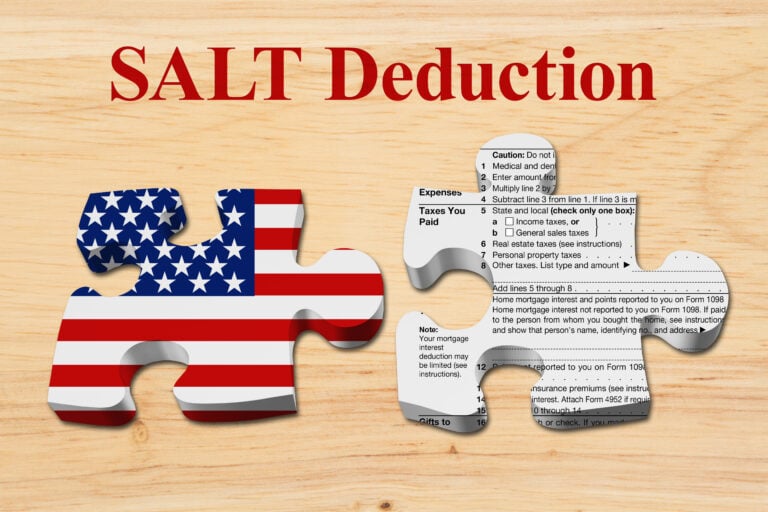
Senators Menendez and Sanders Show the Way Forward on the SALT Cap
• By Steve Wamhoff
Amending the Build Back Better bill to fully repeal the SALT cap would mean that the richest 1 percent could pay less in personal income taxes than they do now, which goes against everything President Biden has said for the past year as he promoted this legislation.
State Rundown 10/27: Pumpkin Spice & Everything Nice
• By ITEP Staff
The end of Spooky Season is near but that hasn’t stopped state lawmakers from adding their frightening plans into the bubbling cauldron of bad tax policy ideas...

America’s Richest Would Finally Pay Taxes on Most of Their Income Under Wyden’s Billionaires Income Tax
• By Steve Wamhoff
While the Ways and Means bill includes many helpful tax reforms, people like Jeff Bezos and Elon Musk would still pay an effective tax rate of zero percent on most of their income if it was enacted without this change. Sen. Wyden’s proposal would finally end this injustice.
Oklahoma Policy Institute: A Budget and Tax Roadmap for Oklahoma
• By ITEP Staff
A more just tax system will level the playing field for all Oklahomans, providing more opportunity to save and build wealth. It will also benefit the economy, as equal opportunity for individuals expands the economy as a whole. The state must continue providing and expanding shared services that are often lifelines for low-income individuals, but […]
Senate Democrats’ Corporate Minimum Tax Could Address the Worst Corporate Tax Dodging
• By Steve Wamhoff
There is no reason corporations reporting hundreds of millions, but not billions, of dollars in profits to their shareholders should be allowed to avoid paying taxes. Nonetheless, the corporate minimum tax is a huge step forward and a valuable component of the Build Back Better plan.
Boosting Incomes and Improving Tax Equity with State Earned Income Tax Credits in 2021
• By Aidan Davis
The EITC benefits low-income people of all races and ethnicities. But it is particularly impactful in historically excluded Black and Hispanic communities where discrimination in the labor market, inequitable educational systems, and countless other inequities have relegated a disproportionate share of people to low-wage jobs.

Federal Tax Reform Would be a Step in the Right Direction for Millennials of Color
• By Brakeyshia Samms
Currently, millennials of color are worse off than their parents when it comes to wealth expectations. So, if one of the goals of federal policymakers is to reduce racial income and wealth disparities, the proposals outlined are a good start. Tax reforms included in the budget package making its way through Congress would help by boosting incomes and making raising children more affordable—two things that would help millennials of color thrive in today’s economy.

The Role of Census Data in Policy and Racial Equity
• By Emma Sifre
The Census has changed the way it asks questions in the past and can choose to do so again in the future. As the Biden administration makes data a central part of its plan to achieve greater racial equity, it has an opportunity to implement research-backed changes that will improve our understanding of race and ethnicity in the United States, and in turn, our ability to draw meaningful conclusions about how our tax laws impact…

Institute on Taxation
and Economic Policy
ITEP is a non-profit, non-partisan tax policy organization. We conduct rigorous analyses of tax and economic proposals and provide data-driven recommendations to shape equitable and sustainable tax systems.
Subscribe to ITEP Emails
Tax research and policy news in your inbox.
Promote Fair Tax Policy
Your gift to ITEP promotes tax justice. With your help, we do research that supports taxing millionaires and billionaires, taxing big corporations and raising revenue for the things our people, our communities and our planet need.
Together, we can create a country with more economic justice, more racial justice, more climate justice… and more tax justice.