
2,364 posts
One Voice: Eliminating Individual Income Tax is Bad for Mississippi
• By ITEP Staff
House Bill 531 would eliminate the state individual income tax. Eliminating the income tax is bad for Mississippi, especially the state’s working families, communities of color, and retirees. While some lawmakers are suggesting that Mississippi’s revenue system is sound enough to support this tax cut, due to the current surplus, this couldn’t be further from […]
Alabama Arise: Eliminating State Grocery Tax Would Make Life Better for Alabama Families
• By ITEP Staff
Two bills in the 2022 regular session would end the state grocery tax while protecting school funding. The graph below shows how millions of Alabamians would benefit. Untaxing groceries quickly and responsibly would boost economic and food security for all Alabamians. That means replacing revenue for public schools in a way that doesn’t harm struggling […]
Open Sky Policy Institute: Most Nebraskans Left Behind by Income Tax Cut Bills
• By ITEP Staff
Non-Nebraskans, corporations and wealthy residents would be big winners under the latest income tax cuts proposed in in LB 938 and LB 939. Meanwhile, the bills – which would ratchet the state’s top corporate and personal income tax rates to 5.84% over four and three years respectively – offer most Nebraskans little tax savings while depleting revenue needed […]
State Rundown 2/2: The First Tax Cut Domino Falls…
• By ITEP Staff
One-time payments have become a common theme around the country, as Idaho is one of roughly eleven states with plans to provide tax relief in a similar fashion...

Netflix Posts a Record $5.3 Billion in Profits and a Federal Tax Rate of Just 1.1 Percent
• By Matthew Gardner
Netflix's 2021 financial report shows it doubled its profits to $5.3 billion from the previous year and reported an effective federal corporate income tax rate of 1.1 percent.
Connecticut Voices for Children: Steps to a Fairer Tax System
• By ITEP Staff
Although Connecticut has the second highest level of per capita personal income in the US, making it exceptionally wealthy overall, many families consistently struggle because Connecticut also has the second highest level of income inequality and a substantial racial income gap, meaning a small, disproportionately white portion of the population primarily benefits from the state’s […]

Build Back Better’s Tax Provisions Would Help Advance Racial Equity
• By Brakeyshia Samms
Build Back Better can help ensure that all people are provided with the chance to lead healthy lives, have access to quality education, are treated fairly and justly, and thrive in today’s economy.
State Rundown 1/26: States Offering Preview of Tax Themes and Trends for 2022
• By ITEP Staff
Governors and legislators are beginning to settle on and advance tax bills that could drastically shape the future of their states and several trends and themes are beginning to emerge...
State Rundown 1/20: Governors Eyeing Tax Cuts in Yearly Addresses
• By ITEP Staff
A common theme is emerging out of states, as governors around the U.S. begin the year with their annual state speeches, and the news does not bode well for long-term growth and sustainable budgets...

Mississippi Is the Latest in a String of States Pursuing Short-Sighted, Top-Heavy Tax Cuts
• By Kamolika Das
Not only is Mississippi's latest tax proposal deeply inequitable, the state simply cannot afford it.

The Compelling Data and Moral Case for Continuing the Child Tax Credit Expansion
• By Alex Welch, ITEP Staff, Jenice R. Robinson
In just six short months, the enhanced Child Tax Credit (CTC), enacted as part of the American Rescue Plan (ARP), decreased the number of children living in poverty by 40 percent. ITEP estimated that the lowest-income 20 percent of households with children would receive a 35 percent income boost from this policy alone in 2021. This is a meaningful, life-changing sum.
State Rundown 1/13: The Tax Cuts Cometh, But There Is a Better Way
• By ITEP Staff
As expected, with the start of many new legislative sessions around the country, lawmakers have introduced a slew of tax cut plans following better-than-expected budget outlooks that have, so far, weathered the impact of the pandemic...
The Problem with Returning to a $2,000 Non-Refundable Child Tax Credit
• By Joe Hughes
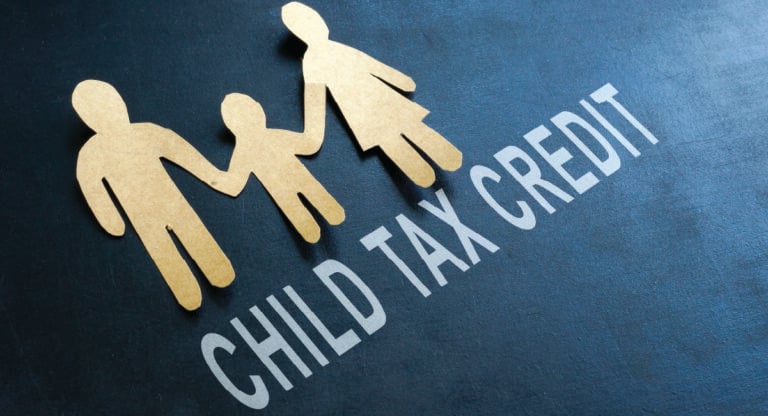
Prior to last year, more than one in three children lived in households with incomes too low to receive the full $2,000 credit because it is not fully refundable. This means earnings requirements and other limits reduce the amount tax filers can receive as a refund. In fact, the maximum refundable portion is reduced to $1,400 (less than half of the maximum refundable credit available in 2021).

School’s In: Tackling College Affordability Through State Tax Codes
• By Brakeyshia Samms
Given that a sweeping federal solution to the college affordability crisis does not appear to be on the immediate horizon, it is even more important that states take whatever steps they can to expand college access and affordability. While most of that effort will need to occur on the spending side of the ledger—such as through lowering tuition costs, expanding financial aid, or perhaps even funding free college outright—tax policy also has a role to…
The New Trend: Short-Sighted Tax Cuts for the Rich Will Not Grow State Economies
• By Neva Butkus
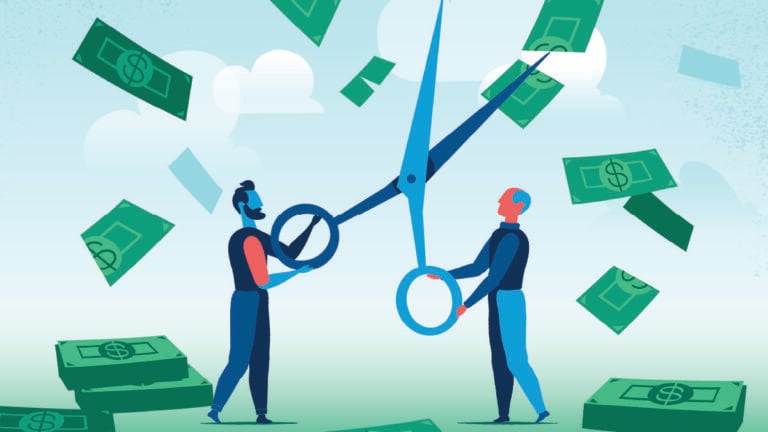
The same legislators who touted tax cuts for the rich as solution to our problems before the pandemic are also saying tax cuts for the rich are a solution during the pandemic. Tax cuts cannot be a solution to everything, especially at a time when the richest Americans are amassing more wealth than ever.

Investing in a Joint Future: Harnessing State Tax Codes
• By Aidan Davis
Rather than resorting to tax cuts, which can eventually create revenue shortfalls, lawmakers should determine whether they have adequately invested in people and communities. There are better ways to leverage tax systems to help those who need it most.
State Rundown 1/5: New Year, Same Old Playbook
• By ITEP Staff
The new year often brings with it a reinvigorated commitment to new goals and a fresh perspective on how to accomplish them, but it seems like lawmakers in states around the country are giving up already...

Why Treasury’s Pending Race-Based Analysis of Stimulus Payments is Important
• By Emma Sifre
One important data inadequacy is the lack of demographic information in tax data. While the IRS data offers rich data on taxpayer income, it does not collect information on important demographic characteristics like race and ethnicity. This presents a challenge for researchers interested in the racialized impacts of the U.S. tax system and has prompted many researchers and organizations to advocate for public-use tax data that is disaggregated by race and ethnicity.
State Rundown 12/15: Making Our State Tax Naughty or Nice List & Checking it Twice
• By ITEP Staff
As the holiday season kicks into full gear, we’re putting the finishing touches on our State Tax Naughty or Nice list, and it looks like some late entrants are making a good case to be included...

ITEP Data on Child Tax Credit and Earned Income Tax Credit Provisions Before Congress
• By Steve Wamhoff
Congress expanded the Child Tax Credit (CTC) and Earned Income Tax Credit (EITC) for 2021 as part of the American Rescue Plan Act (ARP). The additional benefits that millions of families and workers received under that law will end this month if Congress does not act soon. The CTC expansion boosted the annual tax credit […]

Resources on the Build Back Better Agenda
• By ITEP Staff
President Biden’s American Families Plan (AFP) would use personal income tax increases on very well-off individuals to finance investments in people—in childcare, education, higher education, reducing child poverty, and other related measures. The following analyses provide more information about the revenue proposals in the AFP.

Tax Credits in Build Back Better Support Millions of Families
• By ITEP Staff
The EITC and CTC are proven poverty-fighting tools. The monthly CTC payments alone kept 3.6 million people out of poverty in October. This policy success is worth repeating.
The Commonwealth Institute: Tax Proposals Would Reduce Resources for Education, Transportation, and Other Priorities
• By ITEP Staff
The incoming Youngkin administration and state lawmakers have proposed several major tax proposals to reduce taxes for individuals and businesses. These include one-time tax rebates, dramatically increasing the state standard deduction, eliminating the state and local sales tax on groceries, and pausing the recent increase to the fuels tax. While some of these policy ideas […]

Alex Welch
• By ITEP Staff
Alex leads the organization's graphic design work and content creation for email, social media and website. Prior to joining ITEP, Alex served as the Digital & Media Manager for the Georgia Budget and Policy Institute.
CNN Business: This Tax Would Make Wealthy Corporations Pay Their Fair Share
November 24, 2021
Corporate America has perfected the art of dodging the taxes that everyone else pays. From 2018 to 2020, 39 of the largest companies in America paid zero dollars in federal income taxes, despite reporting a combined $122 billion in profits, according to analysis from the Institute on Taxation and Economic Policy. And 73 others paid […]

Institute on Taxation
and Economic Policy
ITEP is a non-profit, non-partisan tax policy organization. We conduct rigorous analyses of tax and economic proposals and provide data-driven recommendations to shape equitable and sustainable tax systems.
Subscribe to ITEP Emails
Tax research and policy news in your inbox.
Promote Fair Tax Policy
Your gift to ITEP promotes tax justice. With your help, we do research that supports taxing millionaires and billionaires, taxing big corporations and raising revenue for the things our people, our communities and our planet need.
Together, we can create a country with more economic justice, more racial justice, more climate justice… and more tax justice.