
2,364 posts

What We Can Learn Today from the American Rescue Plan – and Sen. Rick Scott’s Proposed Tax Increases
• By Steve Wamhoff
The success of the American Rescue Plan Act is worth revisiting today. Instead of pursuing Sen. Rick Scott’s agenda of making life more difficult for those already working the hardest, Congress should extend or make permanent some of the beneficial policies in ARPA.
California Budget & Policy Center: California’s Tax & Revenue System Isn’t Fair for All
• By ITEP Staff
Californians need quality public health and schools, access to affordable housing and clean water, and safe roads and neighborhoods along with many more services to live and thrive – no matter one’s zip code. Accordingly, the state’s tax and revenue system must raise adequate revenue to cover the services provided by state and local governments and make […]
State Rundown 3/9: One State Stands Out Amid the Avalanche of Tax Cuts
• By ITEP Staff
The avalanche of regressive tax-cut proposals coming out of state legislatures has not slowed over the course of the winter months, but one state has provided a shot of hope to advocates of tax equity...

A Better Alternative: New Mexico Prioritizes Targeted, Temporary Tax Cuts
• By Marco Guzman
New Mexico stands in stark contrast to the many examples of poorly targeted tax-cut proposals currently being considered around the country.
State-by-State Estimates of Sen. Rick Scott’s “Skin in the Game” Proposal
• By Steve Wamhoff
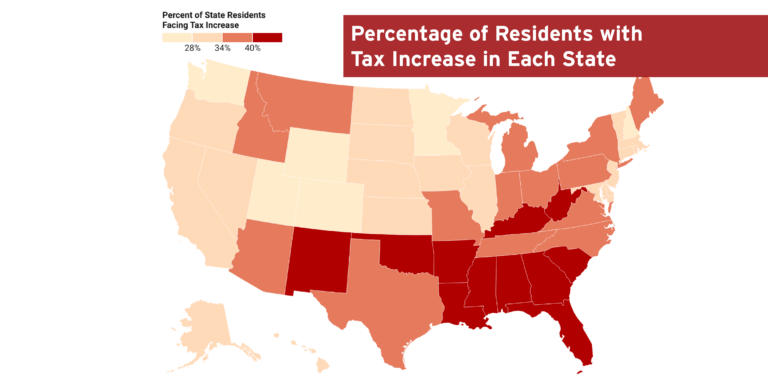
A proposal from Sen. Rick Scott would increase taxes for more than 35% of Americans, with the poorest fifth of Americans paying 34% of the tax increase.
State Rundown 3/2: State Tax News When You Need It
• By ITEP Staff
ITEP is happy to announce the launch of our new State Tax Watch page, where you can find out about the most up-to-date tax proposals and permanent legislative changes happening across the country...
Taxes Should be Part of the State of the Union Agenda
• By Amy Hanauer
President Biden should elevate his tax and revenue proposals which remain essential if we are to pay for environmental restoration, health priorities and peacekeeping, the front-burner items that may dominate the speech.
State Rundown 2/23: Temporary Surplus, Permanent Cuts
• By ITEP Staff
Several state legislatures are continuing to push ahead this year with significant tax cut packages that are regressive and would dramatically reduce revenues and leave states in a bad position should they experience another unexpected economic shock...
New Jersey Policy Perspective: Making New Jersey Affordable for Families – The Case for a State-Level Child Tax Credit
• By ITEP Staff
A state-level child tax credit would recognize the unique costs of raising children and the support that most families need to care for their kids and set them up for success. When families can pay for basic expenses and save for their children’s futures, it improves child well-being immediately by reducing key costs like food […]

Senate Republicans Revive the Myth of the Takers
• By Steve Wamhoff
Sen. Scott and others who favor shifting taxes away from the rich and down the income distribution often focus solely on the federal personal income tax and ignore all the other taxes that Americans pay.

The Federal Gas Tax Holiday is Not a New Idea, Just a Bad One
• By Steve Wamhoff
The argument for suspending the gas tax, which would cost $20 billion, is weaker than ever.
State Rundown 2/16: Spending Priorities Emerge as the Votes Are Counted
• By ITEP Staff
State lawmakers have been busy working out deals and negotiating how best to use excess revenues, and as the votes are beginning to come in, spending priorities are becoming clearer...

Imagine a Better Tax Code, Use Evidence to Make It Real
• By Amy Hanauer
It’s become popular to urge people to imagine a better world. But on tax policy, the last year gives us ample evidence that lets us move far beyond imagining.
West Virginia Center on Budget and Policy: House Personal Income Tax Cut Plan Largely Benefits Wealthy, Not Fiscally Sustainable
• By ITEP Staff
The West Virginia Legislature has introduced a bill to cut and eventually eliminate the state’s personal income tax. The House Finance Committee voted to advance that bill to the House floor with no discussion or questions asked. Like previous attempts to eliminate the state’s income tax, HB 4007 would lead to major revenue losses for the […]
Oklahoma Policy Institute: Strengthening the Grocery Tax Credit Would Provide Fiscally Smart Tax Relief to Working Oklahomans
• By ITEP Staff
Oklahoma can effectively eliminate the state and local sales tax on groceries for most low-income families by strengthening the Sales Tax Relief Credit. At a time when many Oklahomans are struggling to put food on the table and are at risk of eviction, a more robust Sales Tax Relief Credit can help put money back into the pockets […]
State Rundown 2/10: Dems Also Set Sights on Tax Cuts
• By ITEP Staff
While record state revenue surpluses have led to big pushes in red states to make unnecessary permanent income and corporate tax cuts, Democrats are also getting in on the tax-cut mania...
Common Good Iowa: New Income Tax Cuts – a Recipe for Disaster and Inequity
• By ITEP Staff
Iowa lawmakers have repeatedly cut taxes over the last three decades in ways that provide the greatest benefits to the highest-income taxpayers while ratcheting down investments that historically made the state attractive to raise a family or do business — including public schools and public health. Now, within months of passing tax cuts that when […]
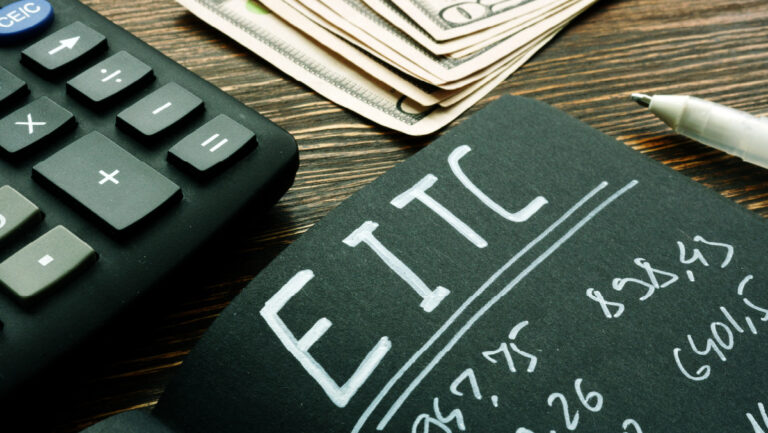
Federal EITC Enhancements Help More Than One in Three Young Workers
• By Aidan Davis
More than one in three young adults would benefit from workers without children being eligible to receive the federal EITC. This policy change would bolster young adults’ economic security.

Amazon Avoids More Than $5 Billion in Corporate Income Taxes, Reports 6 Percent Tax Rate on $35 Billion of US Income
• By Matthew Gardner
Amazon avoided about $5.2 billion of federal income tax on its record $36 billion in U.S. pretax income for fiscal year 2021.
Idaho Center for Fiscal Policy: HB 436 Tax Cuts Benefit Wealthy Idahoans
• By ITEP Staff
The tax cuts proposed in HB 436 would benefit wealthy Idahoans the most. The bill would also collapse the state’s five tax brackets to four, and would lower the income tax rate on the wealthiest tax bracket from 6.5% to 6%. Read more
Idaho Center for Fiscal Policy: Idaho Families Would Benefit From Move to Include More Children in State’s Child Tax Credit
• By ITEP Staff
From housing to child care, hard-working Idaho families face high costs in our growing state. Since 2018, Idaho’s tax code has supported families through the state Child Tax Credit (CTC). In the American Rescue Plan Act (ARPA), Congress approved a temporary change to expand the definition of “child” to include 17-year-olds in tax year 2021. […]
Hawai’i Budget & Policy Center: Expanding Economic Opportunity with the Hawai’i EITC
• By ITEP Staff
Hawai’i’s working families continue to struggle with the nation’s highest gap between median earnings and the cost of living, and this difficult reality has only been made harsher by the COVID-19 pandemic. In fact, more than a third of Hawai’i households had at least some difficulty paying for their monthly expenses in December of 2021. […]
Arkansas Advocates for Children and Families: Tax Cut Plan Even More Expensive, Skewed Toward The Wealthy
• By ITEP Staff
The likely proposal for the long-discussed special session seems to have settled, and its main feature would be to cut the top personal and corporate income tax rates. This disproportionately benefits the wealthy, and the corporate income tax cut will largely be captured by out-of-state shareholders, meaning the revenue will leave the state economy entirely. […]
Wisconsin Budget Project: Tax Shift Would Hike Taxes for People with Low Incomes and Give a Big Tax Cut to the Top 1%
• By ITEP Staff
Last month, an influential group of lobbyists released a proposal to raise Wisconsin’s sales tax to 8%, making it the highest state sales tax in the country, and eliminate the state individual income tax, Wisconsin’s biggest source of revenue. The plan would result in the largest tax cuts going to white households, with households of color […]
The Commonwealth Institute: Youngkin Administration’s Proposals Would Sharply Reduce State Resources, Largely Exclude Working Families with the Lowest Incomes
• By ITEP Staff
The Youngkin administration’s tax plan would leave out nearly 80 percent of the over 800,000 taxpayers in Virginia who have incomes below $24,000. Gov. Youngkin’s proposed changes would also sharply reduce state General Fund revenues — the portion of the state budget over which lawmakers have the most discretion and which primarily goes toward funding […]

Institute on Taxation
and Economic Policy
ITEP is a non-profit, non-partisan tax policy organization. We conduct rigorous analyses of tax and economic proposals and provide data-driven recommendations to shape equitable and sustainable tax systems.
Subscribe to ITEP Emails
Tax research and policy news in your inbox.
Promote Fair Tax Policy
Your gift to ITEP promotes tax justice. With your help, we do research that supports taxing millionaires and billionaires, taxing big corporations and raising revenue for the things our people, our communities and our planet need.
Together, we can create a country with more economic justice, more racial justice, more climate justice… and more tax justice.